Best Supplements to Lower Blood Pressure
Quick Answer: What Are the Best Supplements to Lower Blood Pressure?
The best supplements to lower blood pressure are magnesium, omega-3, CoQ10, potassium, garlic and beetroot nitrate, each with real trial numbers but modest effects of only a few mmHg. They work best as additions to lifestyle changes, not replacements for medication, and several can stack dangerously with blood pressure drugs. Because raised pressure and high cholesterol often travel together, it is worth managing both sides at once.
- Best documented: magnesium (−2.7 to −5.6 mmHg systolic at 500–1,000 mg).
- Also useful: CoQ10 (about −4.77 mmHg) and omega-3 (−2 to −4 mmHg).
- Golden rule: additive to lifestyle, never a swap for medication.
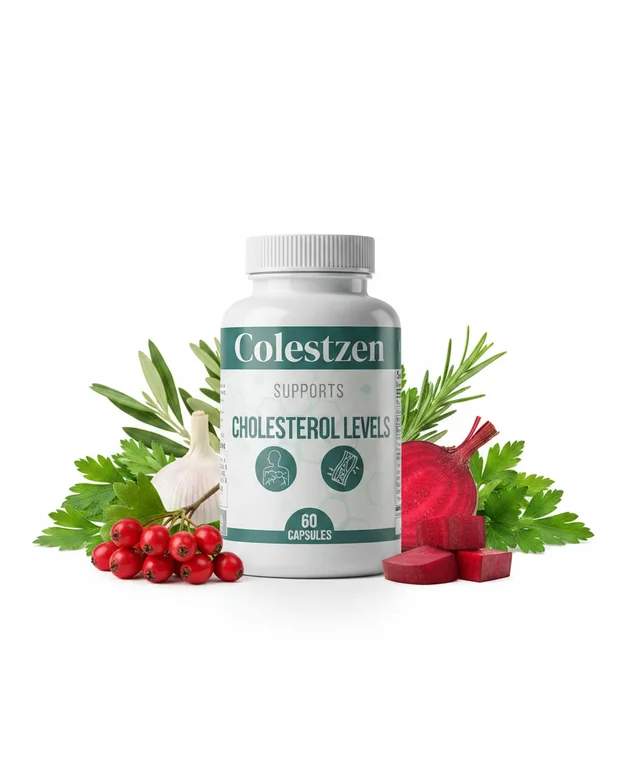
If you are looking for supplements to lower blood pressure, the honest headline is this: several genuinely work, but each moves the needle by only a few mmHg, and the real gains come from stacking those modest effects on top of diet, weight and activity changes. This guide ranks the options that have actual numbers behind them — magnesium, omega-3, CoQ10, potassium, garlic and beetroot nitrate — tells you the studied dose for each, and is upfront about where a supplement is the wrong tool or a risky one alongside medication. It also explains why your blood pressure and your cholesterol are worth managing together rather than in separate silos.
That last point is the one most articles skip. Elevated blood pressure rarely arrives alone. It tends to travel with raised cholesterol, extra weight and blood-sugar drift as part of the same metabolic picture, which is why a smart plan usually addresses the whole cluster instead of chasing one number in isolation. We will come back to that connection, and to where a cholesterol-focused formula like ColestZen fits, after the rankings.
How to judge supplements to lower blood pressure
Blood pressure is easy to measure, which makes this one of the more honest supplement categories — you can literally check whether something is working with a home cuff. Judge each option on three things. First, the size of the effect in trials, stated in mmHg rather than vague "supports healthy circulation" language. Second, who actually benefits: many of these supplements help most in people who start out deficient or who have raised pressure, and do little in those already in range. Third, the interaction risk, because a supplement that lowers pressure can add to medication and push you too low.
Keep that home cuff in mind throughout. The right way to use any blood pressure supplement is to measure before you start, add one thing at a time at the studied dose, and re-measure a few weeks later — not to assume a bottle is working because the label is confident.
The best supplements to lower blood pressure, ranked by the numbers
1. Magnesium — the best-documented option
Magnesium tops the list because it has the clearest numbers and the widest deficiency. In trials, 500 to 1,000 mg per day has lowered systolic blood pressure by roughly 2.7 to 5.6 mmHg, with the strongest response in people who were low in magnesium to begin with. It is inexpensive and well tolerated in the right form, though too much of the cheaper forms can loosen the stomach. For the full dose-and-form detail, our guide to magnesium for blood pressure dose and evidence goes deeper than a label ever will.
2. CoQ10 — a modest, well-studied reducer
Coenzyme Q10 has meta-analysis support for lowering systolic blood pressure by around 4.77 mmHg, a respectable figure for a supplement. It is a favourite for people already taking a statin, since statins can lower the body's own CoQ10. Absorption is the catch: the better-absorbed ubiquinol form tends to outperform the cheap oxidised powder, so the dose that reaches your blood depends heavily on which product you buy.
3. Omega-3 EPA and DHA — small pressure benefit, bigger triglyceride win
At 2 to 3 grams of combined EPA and DHA per day, omega-3 lowers systolic blood pressure by roughly 2 to 4 mmHg. That alone would not justify the bottle, but omega-3 also strongly lowers triglycerides, so it does double duty in a cardiovascular routine. As with all fish oil, you are buying EPA and DHA content, not "fish oil" weight, so read the panel carefully.

4. Potassium — the mineral counterweight to sodium
Potassium works by offsetting sodium and helping the vessel walls relax, and higher dietary potassium is consistently linked with lower blood pressure. Food sources like leafy greens, beans and bananas are the safest route, because potassium supplements carry real risk for people with kidney problems or those on certain medications. This is one where "get it from your plate" is genuinely the better advice for most people.
5. Garlic and beetroot nitrate — real but limited
Aged garlic extract has lowered blood pressure by a few mmHg in some trials, though the effect shrinks in the better-controlled studies. Beetroot and other dietary nitrates convert to nitric oxide and can relax vessels within hours, producing the fastest short-term dip of anything here — but it is modest and fades with tolerance. Both are supporting acts rather than headliners; our look at beet supplements and dietary nitrates for heart health covers who actually benefits.
How the best blood pressure supplements compare
| Supplement | Typical systolic effect | Studied dose | Honest note |
|---|---|---|---|
| Magnesium | −2.7 to −5.6 mmHg | 500–1,000 mg | Best if you started low; form affects tolerance |
| CoQ10 | ~−4.77 mmHg | 100–200 mg | Ubiquinol absorbs better; popular with statin users |
| Omega-3 (EPA/DHA) | −2 to −4 mmHg | 2–3 g | Bonus triglyceride reduction; buy on EPA/DHA |
| Potassium | Modest, dose-dependent | Diet-first | Risky in kidney disease; prefer food sources |
| Garlic | A few mmHg | Aged extract | Effect shrinks in better trials; bleeding caution |
| Beetroot nitrate | Short-term dip | Varies | Fastest acting; fades with tolerance |
Managing raised blood pressure and cholesterol together?
If your numbers cluster the way they usually do, see how a transparent nine-botanical formula handles the cholesterol side, with a 60-day guarantee that caps the cost of trying it.
See the Official ColestZen OfferCan supplements replace blood pressure medication?
This is the objection that matters most, and the answer is a firm no. Every effect above is measured in single-digit mmHg, and they are designed to be additive to lifestyle changes, not to replace a prescription. Blood pressure medications lower pressure more and, crucially, have outcome data showing they reduce strokes and heart attacks — something no supplement can claim. Uncontrolled high blood pressure is genuinely dangerous, so the one thing you must never do is stop or cut a prescribed medication to "try natural instead" without your doctor's involvement.
Where supplements earn their place is at the margins: shaving a few mmHg on top of a good diet, helping a borderline reading, or correcting a deficiency like low magnesium. Stack two or three modest effects with weight loss, less sodium and more movement, and the combined result can be meaningful. The framing to hold onto is the same as everywhere else in cardiovascular health — support, never swap.
Which supplements should you be careful with?
A ranking of what lowers pressure is incomplete without the flip side. Some supplements can raise blood pressure or interact badly with medication, and they are easy to take by accident. High-dose caffeine and stimulant "energy" or weight-loss blends can push pressure up. Licorice root, in more than small amounts, can raise blood pressure by affecting how the body handles sodium and potassium. Some decongestants do the same. And the supplements that lower pressure carry the opposite risk: taken alongside your medication, they can stack and drop you too low, leaving you dizzy or faint.
The safe habit is simple. Keep a running list of everything you take, minerals and botanicals included, and show it to a pharmacist or doctor — especially if you already treat high blood pressure. The interaction you have not thought of is exactly the one worth catching.
No single supplement fixes blood pressure. The wins come from stacking a few modest, well-chosen effects on top of the lifestyle changes that do the heavy lifting.
Why blood pressure and cholesterol belong in the same plan
Here is the connection most blood-pressure guides ignore. Raised pressure rarely shows up alone. It clusters with high cholesterol, extra weight and blood-sugar drift as part of one metabolic picture, and the same lifestyle levers — losing weight, moving more, cutting refined carbohydrates and excess sodium — tend to nudge all of those numbers in the right direction at once. That is why treating blood pressure in a silo, while ignoring an LDL reading creeping upward, leaves half the job undone.
This is where a cholesterol-focused formula fits into a blood-pressure conversation. ColestZen does not claim to lower blood pressure; it is aimed squarely at the cholesterol and metabolic side of that cluster, combining nine plant botanicals — including cinnamon, mulberry, banaba and gymnema — in one daily capsule, with each amount printed on the panel. For someone tackling raised pressure who also sees an unhelpful cholesterol number on the same lab report, pairing blood-pressure supplements like magnesium with a dedicated cholesterol tool is a more complete approach than treating either number alone. If cholesterol is part of your picture, our roundup of the best heart health supplements for 2026 maps the full stack marker by marker.
Medical note: this article is general information, not medical advice. Speak to a healthcare professional before starting any supplement, especially if you are pregnant, nursing, have kidney problems, take blood pressure or blood thinning medication, or manage diagnosed high blood pressure — and never stop a prescribed medicine on your own.
Frequently asked questions
What is the fastest supplement to lower blood pressure?
Beetroot nitrate tends to act the fastest, because dietary nitrate converts to nitric oxide and can relax blood vessels within hours, producing a short-term dip in blood pressure. That speed is also its weakness: the effect is modest and fades as tolerance builds. For a steadier reduction, magnesium and potassium over several weeks are more reliable. No supplement is a substitute for prescribed medication in an emergency.
How much magnesium lowers blood pressure?
In trials, magnesium at roughly 500 to 1,000 mg per day has lowered systolic blood pressure by about 2.7 to 5.6 mmHg, with the clearest benefit in people who were low in magnesium to begin with. It is a modest, additive effect rather than a dramatic one, and the form matters for tolerance. Check with your doctor before starting, especially if you have kidney problems or take blood pressure medication.
Can supplements replace blood pressure medication?
No. The blood pressure reductions from supplements are modest, usually a few mmHg each, and they are meant to be additive to lifestyle changes, not a replacement for medication. Prescribed drugs lower pressure more and have outcome data behind them. Never stop or reduce a blood pressure medication to try a supplement without your doctor, because uncontrolled high blood pressure carries serious risk.
Which supplements should I avoid with high blood pressure?
Be cautious with stimulants and certain herbs that can raise blood pressure or interact with medication, including high-dose caffeine, licorice root, and some decongestants and weight-loss products. Supplements that lower blood pressure can also stack with your medication and push it too low. The safe approach is to bring every supplement you take to a pharmacist or doctor, especially if you already treat high blood pressure.
Scientific references
Related reading
Cover the cholesterol side of your blood-pressure plan
Nine plant botanicals in one daily capsule, every amount listed, backed by a 60-day money-back guarantee — a clear reference point for the lipid half of the same metabolic picture.
Check Availability & Offer