Best Supplements for Heart Health in 2026
Quick Answer: What Is the Best Heart Health Supplement for 2026?
The best supplement for heart health depends on which marker you want to support. Omega-3 leads for triglycerides, CoQ10 for statin users and blood pressure, magnesium for rhythm and pressure, and plant botanicals for LDL cholesterol. Pick the one matched to your number, use the studied dose, and treat it as support for diet, exercise and any prescribed medicine.
- Triglycerides: omega-3 EPA/DHA, 2–3 g/day.
- Blood pressure & rhythm: magnesium 500–1,000 mg and CoQ10 100–200 mg.
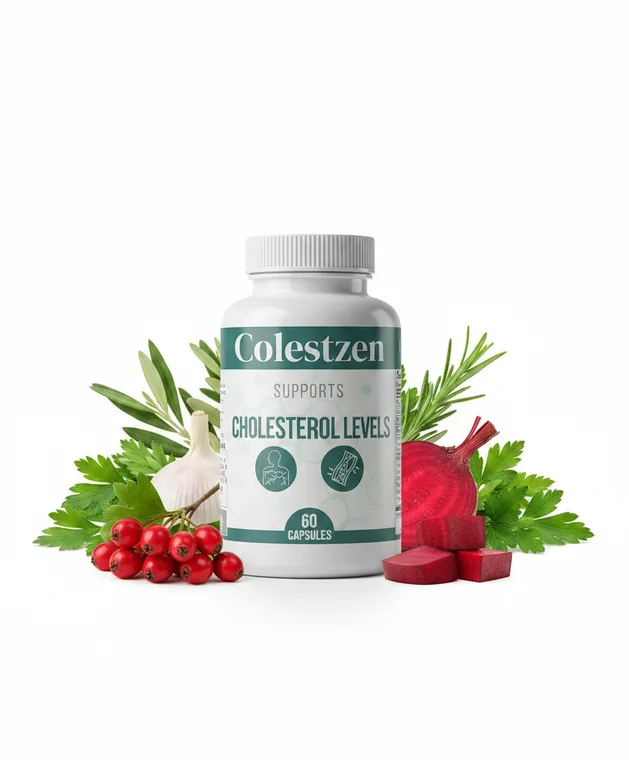
- LDL cholesterol: standardised plant botanicals, the ColestZen focus.
Searching for the best heart health supplement in 2026 usually turns up the same overwhelming wall of bottles, each promising to protect your heart. The problem is that "heart health" is not one thing. Your cardiovascular risk is a handful of separate markers — LDL cholesterol, triglycerides, blood pressure, and rhythm — and no single capsule moves all of them. The brands that thrive on that confusion want you to buy everything. This ranked guide does the opposite: it maps each proven supplement to the specific number it actually shifts, so you can build a short, sensible stack instead of a cluttered cabinet.
This is a high-competition search for a reason: everyone sells heart supplements. We are not going to win it by shouting. We are going to win it by being the page that tells you the truth about effect sizes, points you to the studied doses, and admits where a supplement is the wrong tool. Read to the end and you will know exactly which two or three products belong in your routine and which are just expensive reassurance.
How to rank a heart health supplement honestly
The single most useful habit in this category is to stop asking "is this good for my heart?" and start asking "which marker does this move, and by how much?" A supplement that lowers triglycerides beautifully does almost nothing for LDL. One that trims blood pressure will not touch your cholesterol. Once you map ingredients to markers, the shopping decision becomes simple: identify your weakest number from a blood panel and a blood-pressure cuff, then buy the tool that targets it at the dose the trials used.
That marker-first approach also protects your wallet. Most people do not need five heart supplements; they need one or two aimed at the one or two numbers that are actually out of range. The ranking below is organised by marker for exactly that reason, so you can self-select rather than buy the whole shelf.
The best heart health supplements for 2026, ranked by marker
1. Omega-3 EPA and DHA — the triglyceride workhorse
If one supplement deserves the "all-rounder" title, it is a well-dosed omega-3. At 2 to 3 grams of combined EPA and DHA per day, fish oil reliably lowers triglycerides, sometimes substantially, and has the deepest research base of anything in this guide. It does little for LDL — a common misunderstanding — so it is the wrong pick if cholesterol is your problem, but it is the right pick if your triglycerides are high. Dose and purity matter enormously here, which is why our full fish oil supplements for heart health guide spends so long on how to read an EPA/DHA label rather than a "1,000 mg fish oil" front claim.
2. CoQ10 — the statin companion
Coenzyme Q10 earns its place for two reasons. First, statins can lower the body's own CoQ10, so many people take 100 to 200 mg to support energy and muscle comfort while on a statin. Second, meta-analyses suggest a modest blood-pressure benefit of roughly 4.77 mmHg systolic. Absorption varies a lot between the cheap oxidised form and the better-absorbed ubiquinol, which is exactly the kind of detail that separates a working dose from a wasted one, as our breakdown of CoQ10 dose, forms and absorption explains. The blood-pressure claim specifically traces back to Ho MJ, et al. Blood pressure lowering efficacy of coenzyme Q10 for primary hypertension. Cochrane Database Syst Rev, 2009.
3. Magnesium — the quiet foundation
Magnesium is the supplement most people are quietly short on, and it pulls double duty for the heart. At 500 to 1,000 mg per day it has lowered systolic blood pressure by roughly 2.7 to 5.6 mmHg in trials, and it supports normal heart rhythm and vascular function. It is inexpensive, well tolerated in the right form, and a reasonable foundation for almost any heart-health routine — the base layer the flashier supplements sit on top of. The supporting pooled analysis is Zhang X, et al. Effects of magnesium supplementation on blood pressure. Hypertension, 2016.
4. Plant botanicals for LDL — where ColestZen focuses
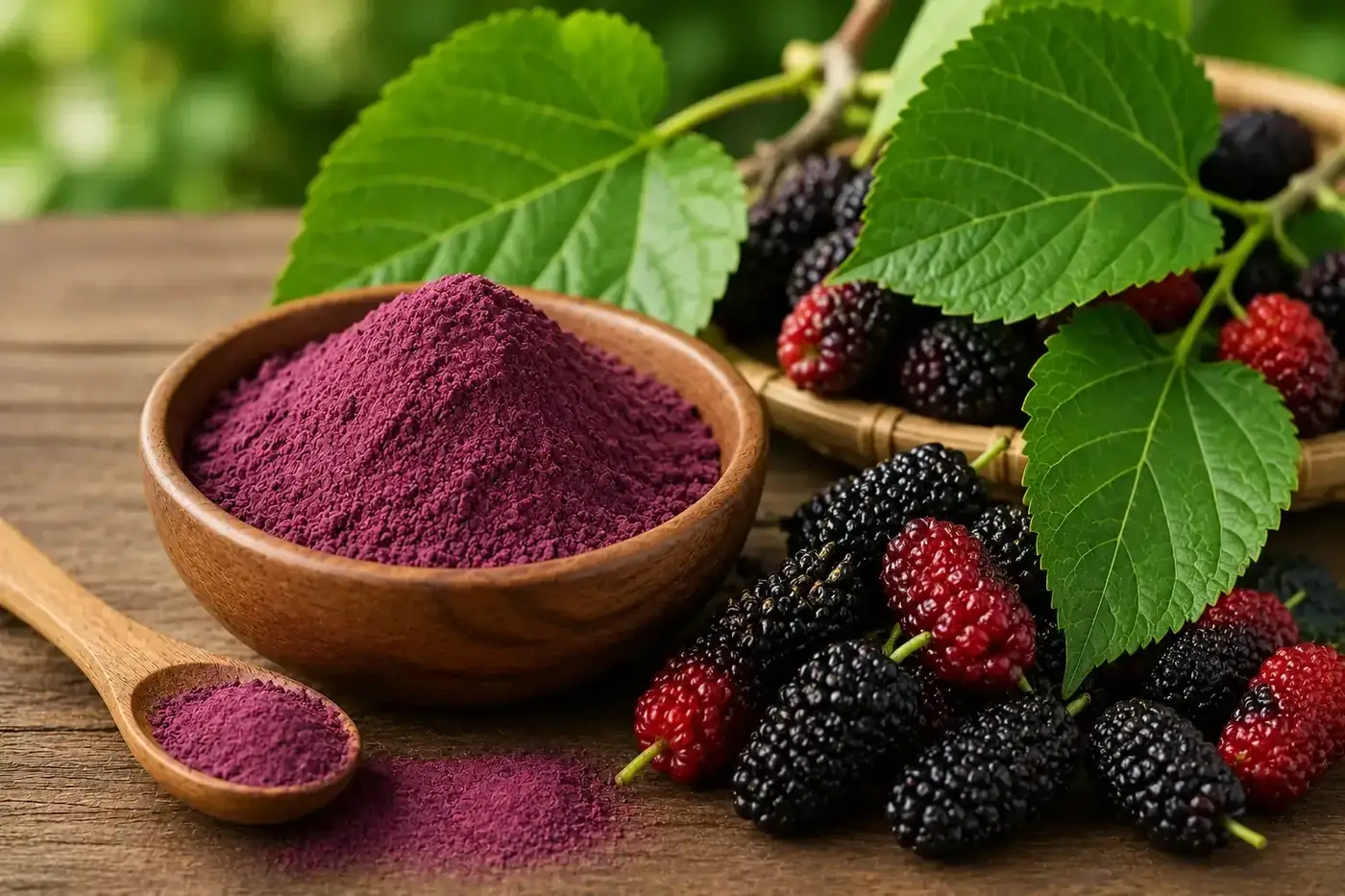
When your problem marker is LDL cholesterol, omega-3 and magnesium will not fix it, and this is the corner of the map where plant botanicals belong. Standardised citrus bergamot and red yeast rice have the strongest single-ingredient LDL data, while blended formulas try to cover several cholesterol and metabolic pathways at once. ColestZen is built for this niche specifically: nine plant botanicals — including cinnamon, mulberry, banaba and gymnema — in one daily capsule aimed at cholesterol, metabolic and circulatory balance, with each amount printed on the panel. It is nutritional support for the LDL side of the stack, not a treatment, and it is designed to sit alongside the other tools here rather than replace them.
5. Beetroot nitrate — the short-term blood-pressure lever
Beetroot and other dietary nitrates convert to nitric oxide, which relaxes blood vessels and can produce a short-term dip in blood pressure, useful for some people and popular with athletes for blood flow. The effect is real but modest and tends to fade with tolerance, so it is a supporting act rather than a headline. Our look at beet supplements and dietary nitrates for heart health covers who actually benefits.
How the best heart health supplements map to markers
| Supplement | Marker it moves | Studied dose | Honest note |
|---|---|---|---|
| Omega-3 (EPA/DHA) | Triglycerides | 2–3 g/day | Little effect on LDL; buy on EPA/DHA, not fish-oil weight |
| CoQ10 | Blood pressure; statin support | 100–200 mg | ~−4.77 mmHg systolic; ubiquinol absorbs better |
| Magnesium | Blood pressure; rhythm | 500–1,000 mg | −2.7 to −5.6 mmHg; many people run low |
| Plant botanicals (ColestZen) | LDL cholesterol | One daily capsule | Support, not a statin; panel lists every amount |
| Beetroot nitrate | Blood pressure (short term) | Varies by product | Modest, fades with tolerance |
Is LDL cholesterol the marker you most need to move?
If cholesterol is the weak number in your panel, see how a transparent nine-botanical formula lays out its ingredients and its 60-day guarantee before you build the rest of your stack.
See the Official ColestZen OfferWhich heart supplements are actually backed by science?
The five above all have real human trials, but "backed by science" is a spectrum, not a badge. Omega-3 for triglycerides sits at the strong end. Magnesium and CoQ10 for blood pressure sit in the solid-but-modest middle. Plant botanicals for LDL have genuine dose-response data for the standardised single ingredients and a mix of support-level evidence for blends. Beetroot nitrate is real but short-lived. Everything outside this list — the antioxidant blends, the exotic berries, the "detox" heart formulas — is where the marketing budget outruns the evidence. Format matters as much as ingredient here, and the reason almost nothing on this list works as a chewable is set out in our comparison of heart-health gummy vitamins versus capsules.
The practical takeaway is to be suspicious of any product that claims to do everything. Cardiovascular biology does not work that way. The strongest heart health supplement routines are boring: one tool per problem marker, each at its studied dose, re-checked against your own bloodwork a few months later.
Can you take multiple heart supplements together?
Because these tools target different markers, combining them is common and often reasonable — but it is also exactly when caution matters most. A few real interactions are worth knowing. Stacking red yeast rice on top of a prescribed statin doubles the same statin-like mechanism and raises the risk of muscle and liver problems. High-dose omega-3 and high-dose garlic can both nudge bleeding risk, which matters if you take a blood thinner. Several supplements can add to blood-pressure medication and push your numbers too low. None of this means "never combine"; it means bring your full list to a pharmacist or doctor before you assemble a stack from marketing claims.
Three myths about heart health supplements
Myth one: "more supplements means more protection." Past the point of matching a tool to each out-of-range marker, extra pills add cost and interaction risk, not benefit. A focused two-item stack usually beats a ten-item cabinet.
Myth two: "a heart supplement can replace my medication." No supplement in this guide has the outcome data that statins and blood-pressure drugs have earned. They move markers by modest amounts; medications move both markers and event risk. Support, never swap.
Myth three: "natural means no interactions." Some of the most important interactions in cardiology involve natural products — grapefruit, red yeast rice, high-dose fish oil. Natural is not a synonym for inert.
The best heart health supplement plan for 2026 is not a longer list. It is the shortest list that covers your actual markers, each at the dose the trials used.
How ColestZen fits a marker-first heart-health plan
ColestZen is deliberately narrow: it is the LDL-cholesterol tool in the stack, not a do-everything heart pill. Its value is that it packages nine botanicals studied for cholesterol, metabolic and circulatory balance into a single daily capsule, with every amount on the panel so you can check the actives are present in meaningful quantities. For someone whose weak marker is cholesterol, that is a cleaner starting point than juggling separate bergamot, fibre and sterol bottles, and it pairs naturally with omega-3 for triglycerides or magnesium for pressure if those are also out of range.
As always, the honest limit stands. ColestZen is nutritional support, not a treatment, and it has not been trialled head-to-head against a statin. What it does offer is transparency and a 60-day money-back guarantee that caps the cost of finding out whether a blended botanical approach suits your cholesterol number. Read the panel, match it to your marker, and confirm the plan with your doctor before you build around it.
Medical note: this article is general information, not medical advice. Speak to a healthcare professional before starting any supplement, especially if you are pregnant, nursing, taking medication for cholesterol, blood pressure or blood thinning, or managing a diagnosed heart condition — and never stop a prescribed medicine on your own. Anyone with a diagnosed cardiac condition should also read our more cautious assessment of supplements for heart failure, where the risk calculus is different.
Frequently asked questions
What is the best supplement for heart health?
There is no single best heart health supplement, because the heart has several markers and each responds to a different tool. Omega-3 EPA and DHA is the strongest all-rounder for triglycerides, CoQ10 is well studied for people on statins and for blood pressure, magnesium supports rhythm and pressure, and plant botanicals target LDL cholesterol. The best supplement is the one matched to the marker you most need to move, chosen with your doctor.
Which heart supplements are backed by science?
The best-supported options are omega-3 EPA and DHA at 2 to 3 grams a day for triglycerides, CoQ10 at 100 to 200 mg, magnesium at 500 to 1,000 mg for blood pressure and rhythm, and standardised plant botanicals such as citrus bergamot and red yeast rice for LDL. Beetroot nitrate has short-term blood pressure data. Each has real human trials, though the size of the effect varies a great deal by person and dose.
Can I take multiple heart supplements together?
Often yes, because many work on different markers, but combining is exactly when caution matters most. Stacking red yeast rice on a statin doubles the same mechanism, omega-3 and high-dose garlic can both affect bleeding, and several supplements interact with blood pressure or blood thinning medication. Bring your full list to a pharmacist or doctor before combining, rather than assembling a stack from marketing claims.
Do heart health supplements really work?
Some do, within limits. Supplements can move specific markers such as triglycerides, LDL and blood pressure by modest amounts, but they are support for a healthy diet, exercise and any prescribed medication, not a replacement. They work best when you pick the right tool for your marker, buy the studied dose, and measure your own follow-up bloodwork instead of trusting the front of the bottle.
Can I take more than one heart health supplement?
Many people combine them, but check with your doctor first, especially if you take prescribed medicine.
Scientific references
- American Heart Association — Fish and Omega-3 Fatty Acids
- NIH Office of Dietary Supplements — Magnesium
- Ho MJ, et al. Blood pressure lowering efficacy of coenzyme Q10 for primary hypertension. Cochrane Database Syst Rev, 2009 (PMID 19821418)
- NIH NCCIH — Red Yeast Rice
- Harvard T.H. Chan School of Public Health — Nutrition Source
- Mayo Clinic — Strategies to prevent heart disease
Related reading
Cover the LDL corner of your 2026 heart stack
Nine plant botanicals in one daily capsule, every amount listed, backed by a 60-day money-back guarantee — a clear reference point for the cholesterol side of your heart-health plan.
Check Availability & Offer