Supplements for Heart Failure: What Helps
Quick Answer: What Supplements Help With Heart Failure?
CoQ10, taurine, D-ribose, magnesium and omega-3 are the supplements for heart failure with the most research, and all are studied as add-ons to medical care. CoQ10 has the strongest signal, from the Q-SYMBIO trial. Heart failure always needs ongoing physician management, so talk with your doctor before adding any of them.
- Best evidence: CoQ10, with supportive signals for taurine, magnesium and omega-3.
- Role: possible support for symptoms or quality of life alongside standard treatment.
- Hard limit: no supplement reverses heart failure — clear every one with your cardiology team.
Heart failure is a serious diagnosis, and if you or someone you love is living with it, the internet’s promises can be both tempting and dangerous. So let us be clear before anything else: this article is about supplements studied alongside proper medical treatment, not instead of it. No pill, powder or extract reverses heart failure or replaces the medicines and monitoring that a cardiology team provides. What follows is a careful, honest map of what the research actually says — and, just as importantly, what it does not.
Heart failure means the heart is not pumping as effectively as it should, and modern treatment — medications, device therapy where appropriate, and close follow-up — has transformed outcomes over the past two decades. Supplements enter this picture only at the margins, as adjuncts that some trials suggest may help with symptoms or wellbeing. Read this as context for a conversation with your doctor, not as a shopping list to act on alone.
What the evidence says about supplements for heart failure
A handful of nutrients have been studied specifically in people with heart failure, and they are worth knowing by name because they come up constantly online with wildly varying levels of support. The short list is CoQ10, taurine, D-ribose, magnesium and omega-3 fish oil. The evidence behind them runs from genuinely encouraging to distinctly preliminary, and none of it changes the central rule: these are potential add-ons to treatment, decided with the team managing your care. The feasibility work usually cited is Omran H, et al. D-ribose improves diastolic function and quality of life in congestive heart failure patients. Eur J Heart Fail, 2003 — small, early and not confirmatory.
The reason nutrients are even in this conversation is mechanistic. A failing heart is an energy-starved heart. Its mitochondria struggle to produce enough ATP, its cells face oxidative stress, and its metabolism shifts under strain. Several of the studied supplements target exactly those pressure points — energy production and antioxidant defence. A plausible mechanism is a reason to run a trial, not a reason to assume the supplement works, and keeping those two apart is the whole discipline here.
CoQ10 and the Q-SYMBIO signal
CoQ10 is the standout, and it earns that status. Heart muscle carries some of the densest CoQ10 concentrations in the body because it never stops working, and levels tend to be lower in people with heart failure. The most cited evidence is the Q-SYMBIO trial, which added CoQ10 to standard heart failure therapy and reported improvements in symptoms and in longer-term outcomes compared with placebo. That is a meaningfully positive signal, and it is why CoQ10 turns up in serious discussions of adjunctive care rather than only in marketing.
The honest caveats matter as much as the headline. It is one major trial with supportive but not unanimous backing from the wider literature, the effect was seen when CoQ10 was added to proper treatment, and it does not make CoQ10 a stand-alone therapy. If you want the practical detail on which form and dose the research used, our guide to CoQ10 dose, forms and absorption covers why an oil-based softgel taken with food matters and why the number on the label is only half the story. In heart failure specifically, though, the first and non-negotiable step is your doctor’s sign-off, partly because CoQ10 can interact with warfarin.
Taurine, D-ribose and magnesium: the supporting cast
Taurine is an amino acid concentrated in heart muscle, where it plays a role in calcium handling and cellular hydration. Small studies in heart failure have reported improvements in exercise capacity when taurine is added to treatment. The trials are modest in size, so this sits in the “promising but not established” column — interesting enough to discuss with a cardiologist, not strong enough to bank on.
D-ribose is a sugar that feeds the pathway cells use to rebuild ATP, the energy currency a failing heart runs short of. The theory is elegant and the early results in some small studies hint at better energy metabolism and quality of life, but the evidence base is thin and the studies are small. Treat it as an experimental adjunct, not a proven one.
Magnesium earns its place for a different reason. People with heart failure are often on diuretics that deplete magnesium, and low magnesium can contribute to dangerous heart-rhythm problems. Correcting a genuine deficiency under medical guidance is sensible — but this is precisely where self-dosing is risky, because magnesium can accumulate if kidney function is reduced, which is common in heart failure. This is a doctor-supervised decision, full stop.
Supplements studied in heart failure, at a glance
| Supplement | Rationale | Evidence as an adjunct |
|---|---|---|
| CoQ10 | Mitochondrial energy; low in failing hearts | Strongest — Q-SYMBIO trial signal |
| Omega-3 (fish oil) | Anti-inflammatory; rhythm and vascular effects | Moderate — some outcome data at adequate doses |
| Taurine | Calcium handling in heart muscle | Preliminary — small exercise-capacity studies |
| Magnesium | Often depleted by diuretics; rhythm stability | Correcting deficiency only, under supervision |
| D-ribose | Substrate for ATP regeneration | Experimental — small, limited studies |
Focused on prevention rather than an established diagnosis?
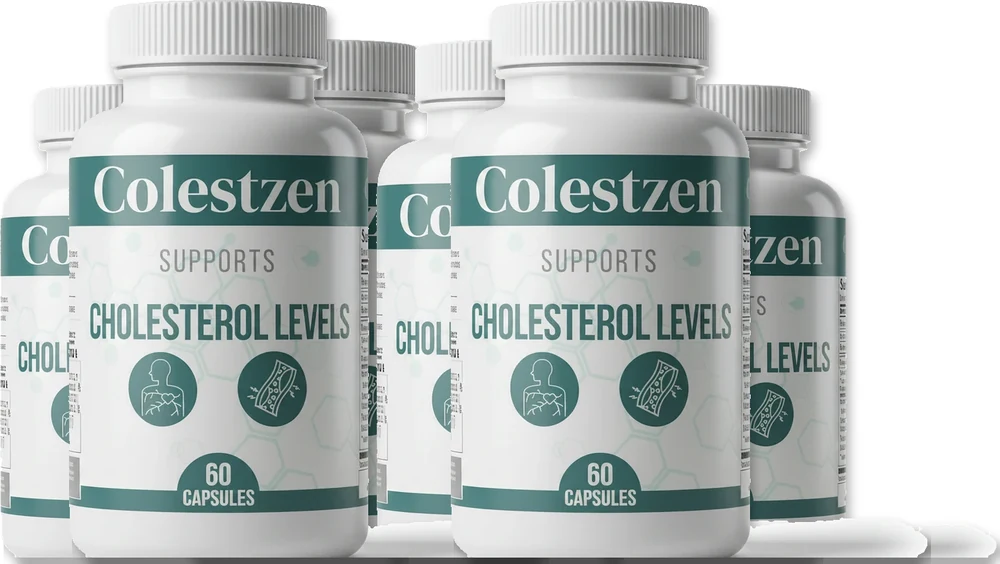
ColestZen is a lipid-support formula for people working on cholesterol earlier in the journey — not a heart failure product. If prevention is your goal, it can help to read a full botanical label ingredient by ingredient before you decide.
See the Official ColestZen OfferOmega-3 fish oil: the best-studied of the group after CoQ10
Omega-3 fatty acids from fish oil have more outcome data in cardiovascular medicine than most supplements, and some of it touches heart failure. The plausible mechanisms are anti-inflammatory effects, favourable influence on heart rhythm, and vascular benefits, and a few trials at adequate doses have reported modest improvements as an adjunct to standard therapy. As always, dose and purity matter, and fish oil is not risk-free for someone on blood thinners. Our full fish oil supplements for heart health guide lays out the EPA and DHA amounts that appear in the research and how to read a label so you are not paying for filler oil. The broader omega-3 outcome evidence sits in Abdelhamid AS, et al. Cochrane Database Syst Rev, 2020.
The pattern across every entry on this list is the same: a credible mechanism, some supportive human data, and a firm ceiling on the claims. That ceiling is not pessimism — it is accuracy. A supplement that helps a little as an add-on is still worth discussing; a supplement sold as a cure is a red flag no matter how good the mechanism sounds.
Objections and dangerous myths, addressed directly
“Can supplements reverse heart failure?” No. This is the single most important thing on the page. No supplement reverses, treats or cures heart failure. Anything or anyone claiming otherwise is either misinformed or selling you something risky, and acting on that claim — especially by stopping prescribed medication — can be genuinely dangerous.
“Natural means safe, so I can add them freely.” Not in heart failure. This is one of the highest-stakes settings for supplement interactions. CoQ10 can affect warfarin. Potassium and magnesium can become dangerous depending on your medications and kidney function. Even fish oil interacts with blood thinners. “Natural” says nothing about safety when your physiology is already under strain and your medication list is long.
“If a little helps, I can skip the boring stuff and just take supplements.” The opposite is true. The interventions that transform heart failure outcomes are the prescribed medicines, salt and fluid management, monitoring, and physical activity guided by your team. Supplements are, at most, a small addition once the fundamentals are firmly in place.
In heart failure, the safest question is never “what can I add?” but “what does my care team think I should add?” The supplements with real promise here are the ones your doctor helps you use — not the ones you start behind their back.
Prevention is a different conversation
There is an important distinction between managing established heart failure and reducing risk earlier in the journey. Once heart failure is diagnosed, the priority is expert medical management, and supplements are minor adjuncts at best. But for people focused on prevention — keeping cholesterol, blood pressure and metabolic markers in a healthier range before problems become serious — the landscape is broader and the stakes of self-care are lower.
That earlier-stage, preventive space is where lipid and blood-pressure support belongs. If blood pressure is your marker, our review of which blood pressure supplements the trials support is the better starting point. And for cholesterol, the nine-botanical ColestZen formula is a lipid-support product for people working on their numbers early — explicitly not a treatment for heart failure or any diagnosed heart condition. Matching the tool to the stage is the whole point: prevention products and disease management are not interchangeable.
If you are living with heart failure today, the most valuable thing this article can do is send you back to your cardiology team with better questions. Bring the names on this list, ask what fits your medications and kidney function, and let the people who know your case decide. That is not a disappointing answer — it is the one most likely to keep you safe and well.
Medical note: heart failure is a serious medical condition that requires ongoing care from a qualified physician. This article is general information, not medical advice, and nothing here treats, cures or reverses any disease. Do not start, stop or change any supplement or medication without speaking to the healthcare team managing your care.
Frequently asked questions
What supplements are good for heart failure?
The ones with the most research as adjuncts are CoQ10, taurine, D-ribose, magnesium and omega-3 fish oil. Each has been studied alongside standard treatment, not in place of it, and the evidence ranges from encouraging to preliminary. None of them treats or cures heart failure, and any use should be decided with the cardiology team managing your care.
Does CoQ10 help congestive heart failure?
CoQ10 has the strongest signal of the group. The Q-SYMBIO trial reported improvements in symptoms and outcomes when CoQ10 was added to standard therapy, and heart muscle is naturally rich in CoQ10. It is promising as an adjunct rather than proven as a treatment, and it should be added only with your doctor's knowledge, never as a substitute for prescribed medication.
Can supplements reverse heart failure?
No. No supplement reverses, treats or cures heart failure, which is a serious medical condition requiring ongoing physician management. Supplements studied in this setting are adjuncts that may support symptoms or quality of life alongside proper treatment. Claims that a supplement can reverse heart failure are not supported by evidence and should be treated as a warning sign.
Are supplements safe with heart failure medications?
Some are, some are not, and it depends on your specific medications and kidney function. CoQ10 can interact with warfarin, potassium and magnesium can be risky with certain drugs or reduced kidney function, and even fish oil matters if you take blood thinners. Always clear any supplement with the doctor or pharmacist managing your heart failure before starting it.
Which heart failure supplement has the strongest research?
CoQ10 has the strongest signal, from the Q-SYMBIO trial. It is studied as an addition to medical care, not a replacement.
Scientific references
- NIH Office of Dietary Supplements — dietary supplement fact sheets
- NIH NCCIH — Dietary and Herbal Supplements
- Mortensen SA, et al. The effect of coenzyme Q10 on morbidity and mortality in chronic heart failure: results from Q-SYMBIO. JACC Heart Fail, 2014 (PMID 25282031)
- American Heart Association — Heart failure resources
- NIH NHLBI — Heart Failure
Related reading
- CoQ10 for heart health: dose, forms and absorption explained
- The best heart health supplements for 2026, compared
- The best supplements to lower blood pressure naturally
- Fish oil supplements for heart health: a practical guide
Working on prevention? See how ColestZen is built
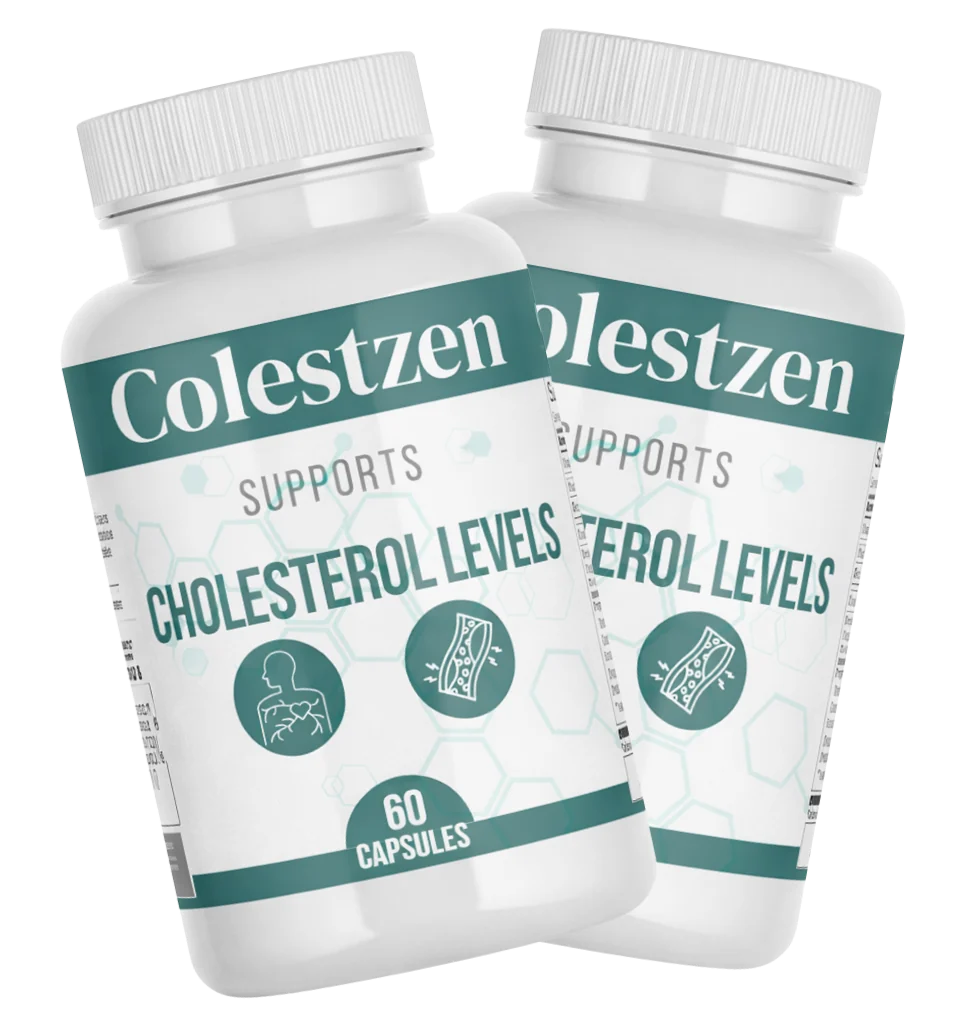
For earlier-stage lipid support — not for treating any diagnosed heart condition — ColestZen lays out nine botanicals and their amounts in full, so you can weigh the evidence for yourself.
Check Availability & Offer