Heart Health Supplements for High Blood Pressure: What Trials Show
Quick Answer: Do Supplements Help Blood Pressure?
A handful of ingredients have real human data behind them, and the effects are consistently small. Potassium has the strongest evidence, followed by dietary nitrate from beetroot, aged garlic extract and magnesium, each of which has pooled analyses reporting modest average reductions in systolic pressure over weeks of daily use. No dietary supplement treats high blood pressure, and a few — licorice root above all — can push readings in the wrong direction.
- Best evidence: potassium, then nitrate, aged garlic and magnesium.
- Watch out for: glycyrrhizin-containing licorice and stimulant ingredients.
- Honest limit: supportive nutrition only — diagnosed hypertension is a medical matter.
What a blood pressure trial can and cannot tell you
Blood pressure is a moving target. It changes with the time of day, the last cup of coffee, a full bladder, the cuff size and whether somebody in a white coat is watching. That variability is why single readings are close to useless and why supplement studies rely on averages of repeated measurements, ideally with ambulatory monitoring over 24 hours.
It also explains why so many supplement studies look better than they are. A small crossover trial with thirty participants and a four-week window can produce an impressive-looking average simply by chance. This is why pooled analyses matter: when twenty small studies are combined, the noise starts to cancel and what remains is closer to a real signal. When you see a claim sourced to a single small study, treat it as a hypothesis rather than a finding.
The last thing to hold on to is scale. The lifestyle levers — sodium reduction, weight, alcohol, activity, sleep quality — move blood pressure by amounts that dwarf anything in this article. Prescribed medication moves it further still. Supplements operate at the margin of the margin, and any honest ranking has to start by saying so. That scale problem is the backdrop to every claim ever made for heart health supplements for high blood pressure, and it is the reason a modest, well-evidenced ingredient is a better buy than a dramatic, poorly-evidenced one.
The ingredients with the strongest blood pressure data
Potassium leads the list, and it is not close. Higher potassium intake is associated with lower blood pressure across observational data, and controlled trials of potassium supplementation report reductions that are largest in people eating a lot of sodium and in those whose pressure is already elevated. The mechanism is well understood: potassium promotes sodium excretion and helps relax vessel walls. The important caveat is safety rather than efficacy — potassium supplements are genuinely risky for anyone with reduced kidney function or on certain medications, which is why doses in retail products are capped.
Dietary nitrate from beetroot comes next. Controlled studies report small average reductions in systolic pressure within hours of a dose, and the mechanism — conversion of nitrate to nitric oxide and relaxation of vessel walls — is one of the best described in the field. We cover the pathway in detail in our companion article on heart healthy beet supplements and dietary nitrates, including why the form you buy determines whether you get any nitrate at all.
Aged garlic extract has a respectable body of pooled evidence, with meta-analyses reporting modest systolic reductions in people who start out hypertensive and little change in people who do not. Magnesium sits in similar territory: small average effects, more visible in people with low intake to begin with. Beyond that, the evidence thins quickly. Hibiscus, olive leaf polyphenols and high-dose marine omega-3 all have supportive studies, but the trials are smaller, shorter and less consistent.
Heart health supplements for high blood pressure: the evidence ranked
The table below groups the common ingredients by how much weight the human evidence can actually bear. Amounts shown are the ranges used in published human research, not a recommendation, and they are frequently higher than what a blended product delivers. Nothing here is a substitute for medical advice or medication.
| Ingredient | Amounts used in research | What pooled analyses report | Evidence strength |
|---|---|---|---|
| Potassium | Dietary increase; supplements usually capped low | Consistent reductions, largest with high sodium intake | Strong |
| Dietary nitrate (beetroot) | A concentrated juice-shot equivalent daily | Small short-term systolic reductions | Moderate to strong, mostly short term |
| Aged garlic extract | 600–2,400 mg/day for 8–24 weeks | Modest systolic reductions in hypertensive groups | Moderate |
| Magnesium | 300–500 mg/day elemental | Small reductions, clearest when intake was low | Moderate |
| Hibiscus | Brewed tea or extract, daily | Reductions reported in small trials | Weak to moderate |
| Marine omega-3 | 2–3 g/day EPA + DHA | Small effects at higher intakes | Weak to moderate |
| CoQ10 | 100–300 mg/day | Inconsistent; pooled analyses disagree | Weak |
| Cinnamon, mulberry, banaba | Varies by extract | Studied for glucose and lipids, not pressure | Weak for blood pressure |
| Licorice with glycyrrhizin | Any regular intake | Can raise pressure and lower potassium | Well documented — a risk, not a benefit |
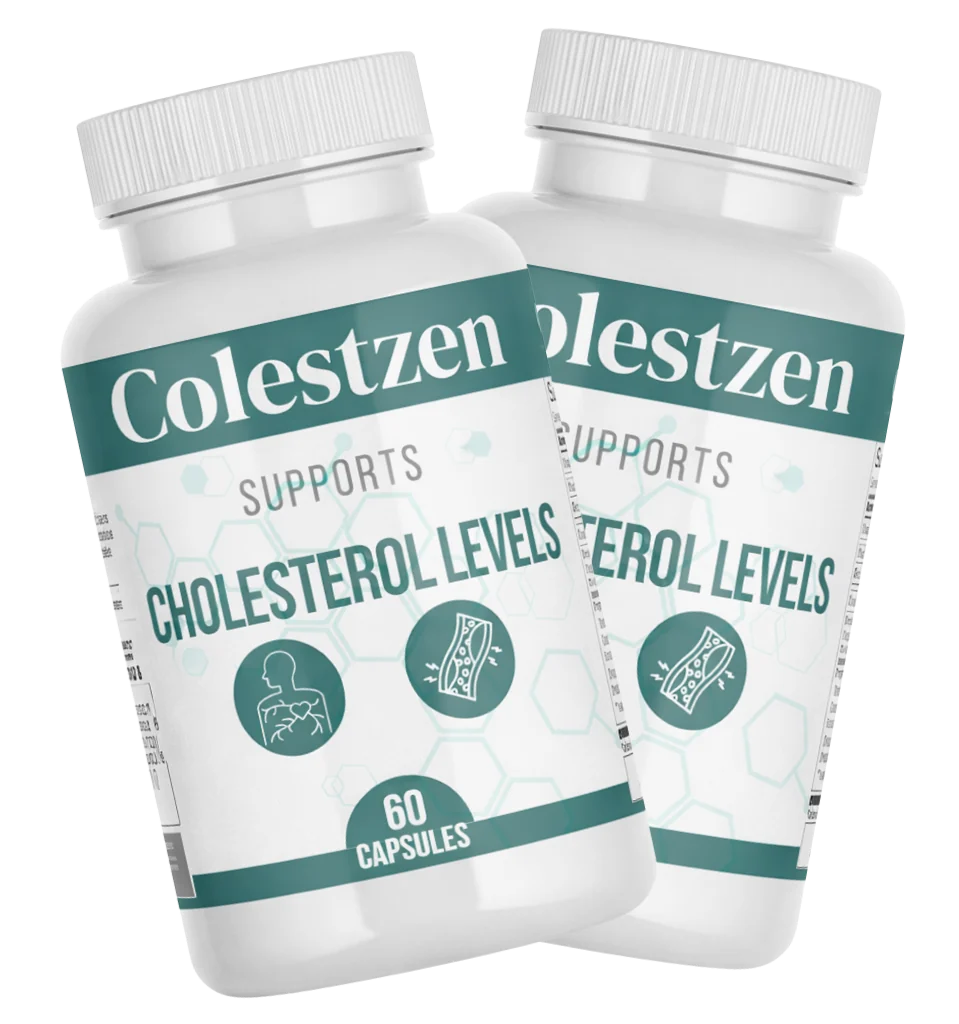
Reading labels rather than headlines?
If you are shortlisting the best supplement for heart health and blood pressure, the only fair comparison is the full ingredient panel with amounts attached — which is exactly how the ColestZen label is set out.
See the Official ColestZen OfferThe ingredient that can work against you: licorice
Licorice root is worth its own section because it is the clearest example of a botanical that can move blood pressure the wrong way. Its active compound, glycyrrhizin, inhibits an enzyme that normally protects the mineralocorticoid receptor in the kidney. The practical result is sodium and water retention and potassium loss — a pattern sometimes described as pseudohyperaldosteronism. Regular intake can raise blood pressure, and case reports of serious potassium depletion from heavy licorice consumption appear throughout the medical literature.
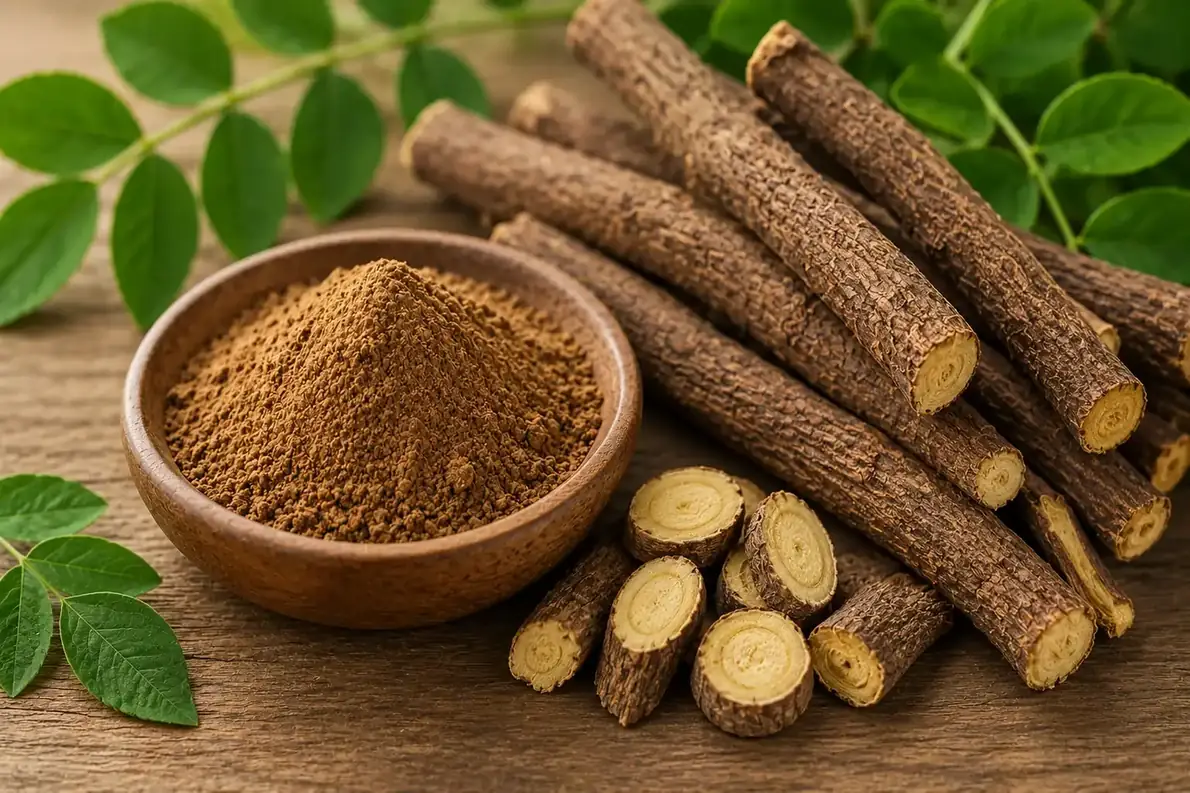
This does not make every licorice-containing product a problem. Deglycyrrhizinated licorice, sold as DGL, has the offending compound removed and does not carry the same effect, and the small amounts used as a flavouring in a multi-botanical blend are a different proposition from chewing licorice confectionery daily. But if you have raised blood pressure and you are taking anything with licorice in it, that is a label worth checking and a question worth asking your pharmacist.
Licorice is not alone. Stimulant ingredients — high-dose caffeine, bitter orange and the synephrine-style compounds that turn up in fat-burner blends — can raise blood pressure and heart rate. Some decongestants do the same. The point generalises: a supplement is capable of a pharmacological effect, and pharmacological effects run in both directions.
Traditional circulatory herbs and the evidence gap
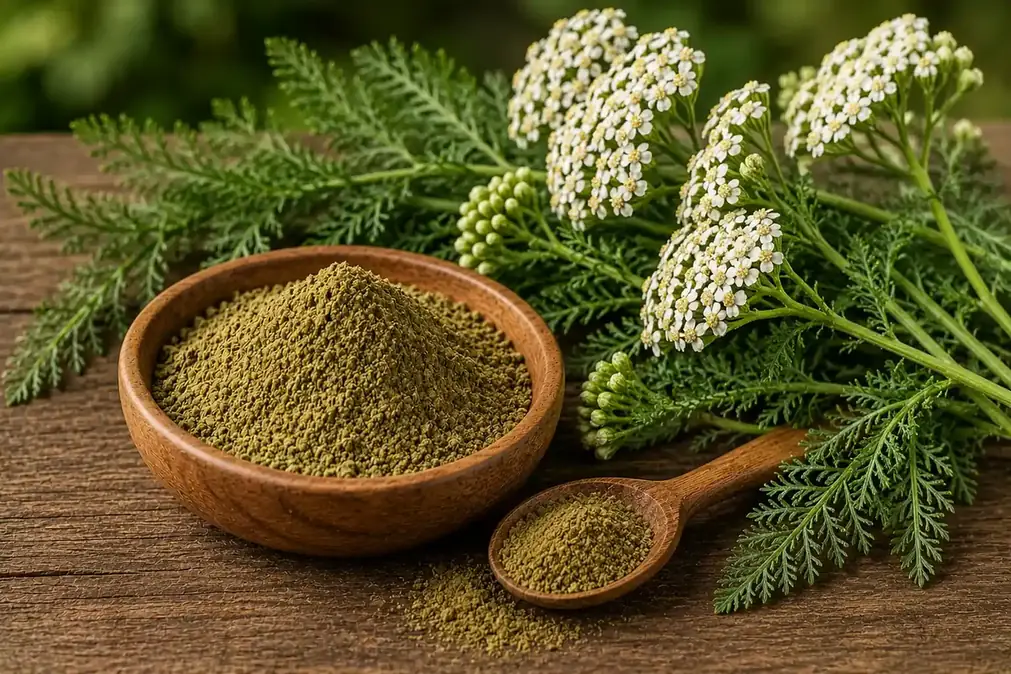
A large group of botanicals appears in heart formulas on the strength of traditional use rather than modern trials. Juniper berry has a long history as a diuretic. Yarrow was used for circulation and bleeding for centuries. Hawthorn has the most substantial file of the traditional group, with studies in heart failure symptoms, though the quality is uneven and the findings are not strong enough to carry a product on their own.
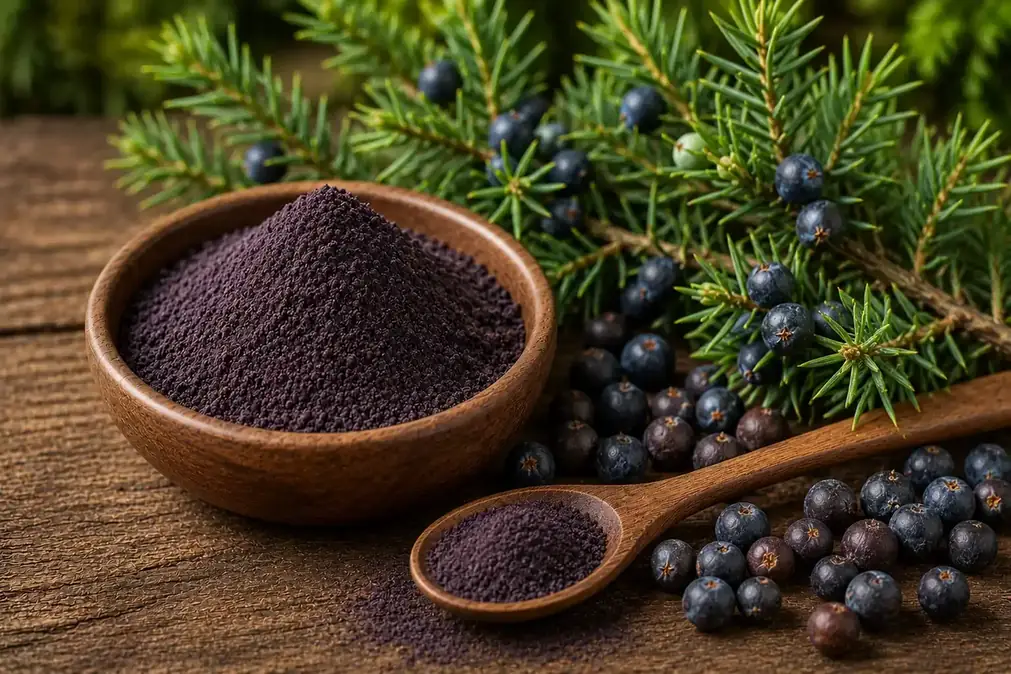
Long use is a reason to study something, not a substitute for having studied it. Historical popularity tells you a plant was available, tolerable and believed to help — three things that are also true of a great many inert substances. When a label leans on the words traditionally used, read that as an admission that the modern trial data is thin.
There is a second, subtler problem with blends. A formula can contain nine ingredients, each with a scattering of supportive research at doses far above what the capsule delivers, and the finished product can still have been tested in nobody. Ingredient evidence and product evidence are different things, and most marketing quietly conflates them.
Ingredient evidence is not product evidence. A capsule can be built entirely from studied botanicals and still deliver a fraction of any studied amount — the research belongs to the dose, not to the name on the label.
What no supplement can do
It cannot treat hypertension. That is a clinical diagnosis with a treatment pathway, and a dietary supplement is legally and practically not part of it. Nothing sold as a supplement may claim to diagnose, treat, cure or prevent high blood pressure or any other condition, and a product that implies otherwise is telling you something about its marketing rather than its formula.
It cannot replace medication. If you take an antihypertensive, adding a supplement is a conversation with your prescriber, not a substitution, and some combinations genuinely matter — potassium supplements alongside ACE inhibitors or potassium-sparing diuretics, for example, or nitrate-rich products alongside nitrate medication.
And it cannot outrun the basics. Sodium intake, body weight, alcohol, physical activity and sleep apnoea account for far more of the variance in most people's readings than any capsule will. Anyone searching for the best natural heart health supplements will find plenty of options, but the honest framing is that they sit on top of those foundations rather than replacing them.
How to read a blood pressure claim on a label
Most heart health supplements for high blood pressure are sold on a mechanism sentence rather than a measured outcome, and learning to spot the difference is the single most useful skill in this aisle. Four habits will protect you from most of the nonsense in this category. First, look for the per-ingredient amount, and compare it against the research range rather than against other products. A proprietary blend that hides the split is hiding it for a reason. Second, check whether the claim describes a measured outcome or a mechanism — supports healthy circulation is a mechanism sentence, and mechanisms are cheap.
Third, notice the population. An effect found in people with elevated readings often shrinks to nothing in people with normal ones, and most supplement research is done in the former group. Fourth, look for third-party testing. Potency is a label claim, not a regulatory guarantee, and the gap between the two has been documented repeatedly in independent testing programmes.
If you want to see what that looks like in practice, the ColestZen ingredient breakdown sets out each botanical with its amount and the evidence behind it, including where that evidence is thin. Whatever you end up buying, that is the format worth demanding — it is the difference between comparing formulas and comparing packaging, and it is how the best heart health supplements distinguish themselves from the rest.
Medical note: this article is general information, not medical advice. Speak to a healthcare professional before starting any supplement, especially if you are pregnant, nursing, taking medication, or managing high blood pressure, kidney problems or a diagnosed heart condition — and never stop a prescribed medicine on your own.
Frequently asked questions
Which supplement ingredients have the best blood pressure evidence?
Potassium has the strongest and most consistent human data, particularly for people eating a lot of sodium. Dietary nitrate from beetroot, aged garlic extract and magnesium follow, each with pooled analyses reporting small average reductions. All of these effects are modest next to diet, weight and prescribed medication.
Can a supplement lower high blood pressure on its own?
No. Dietary supplements are not treatments for hypertension and cannot be sold or described as such. The reductions reported in trials are small averages measured over weeks, and they do not replace medication or the lifestyle measures that do the heavy lifting. Diagnosed high blood pressure belongs with your doctor.
Which supplements can raise blood pressure?
Licorice root containing glycyrrhizin is the classic example, because it can cause the body to retain sodium and lose potassium, pushing readings upward. Stimulant ingredients such as high-dose caffeine and bitter orange can also raise pressure. Deglycyrrhizinated licorice, usually labelled DGL, does not carry the same risk.
How long before a blood pressure supplement would show anything?
Most trials measure outcomes after four to twelve weeks of daily use, and nitrate studies often look at a window of a few hours after a dose. Nothing meaningful can be judged from a single home reading, because blood pressure varies hour to hour. Track an average over several weeks with a validated cuff instead.
Scientific references
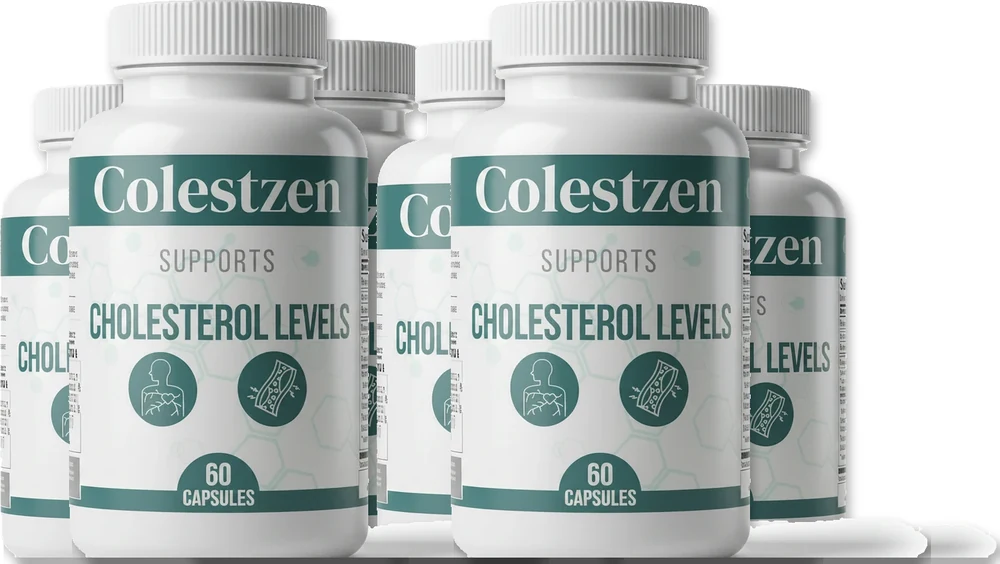
See the full ColestZen ingredient panel
Nine plant botanicals, every amount printed, and the evidence for each one stated plainly — including where it is thin.
Check Availability & Offer