Colest Zen Clinical Trial: What the Research Covers
Quick answer
The Colest Zen clinical trial question has a clear answer: the finished capsule has not had its own, and the site says so openly. The research that exists covers single ingredients, such as cinnamon bark and mulberry, at doses the label does not publish. A fair test is a lipid panel, 8 to 12 weeks of steady use, then a second panel with your doctor.
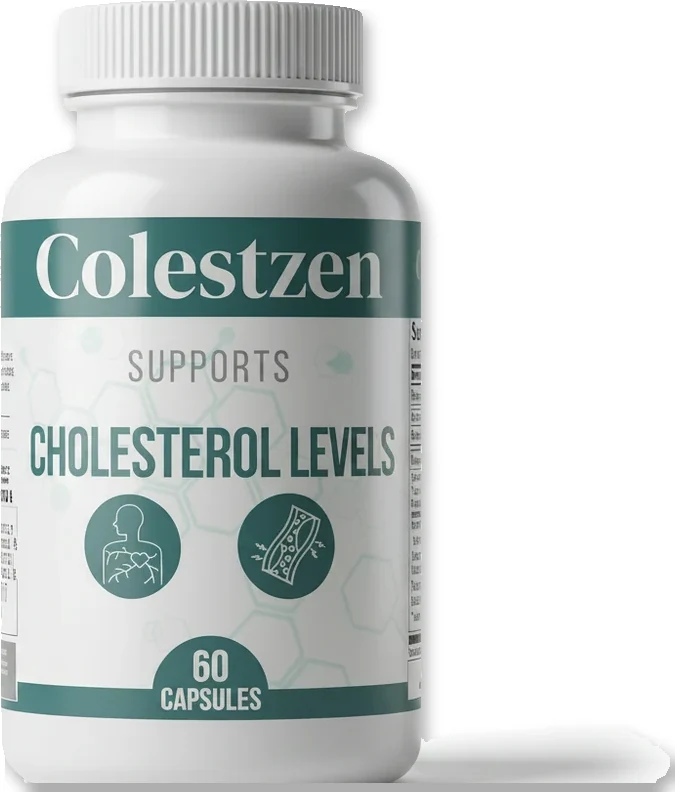
"ColestZen clinical trial" is a smart search. Before you spend money on a supplement, you want to know what evidence sits behind it. This guide gives the direct answer first, then shows what research does exist, what it can and cannot tell you, and how to run a fair check of your own. Every fact comes from the ColestZen pages. Where the site publishes no figure, we do not make one up.
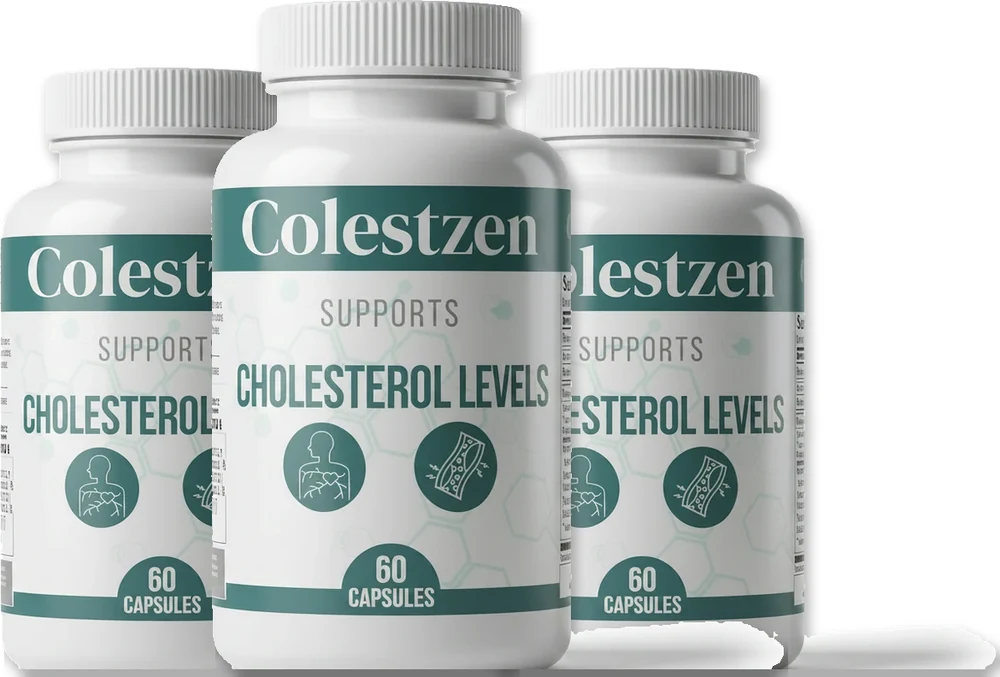
Know the facts, then compare the offer
The official page lists the bundles, free US shipping on 3 and 6 bottles and the 60-day guarantee.
See today's price and guaranteeIs there a ColestZen clinical trial?
No. The ColestZen pages say it plainly: the finished capsule has had no clinical trial of its own, so results cannot be promised. We repeat that here because a clear answer helps more than a hopeful one. When you see a claim that a supplement is "backed by trials", the first question is always "trials of what?" For ColestZen, the answer is single ingredients, not the capsule.
What research does exist: ingredient by ingredient
The research behind ColestZen is ingredient-level. Each botanical has its own body of work, and the quality differs a lot from one to the next. Here is how our guides grade it.
- Cinnamon bark. The best studied ingredient in the formula. Some human trials report modest changes in total cholesterol, LDL and triglycerides, but results vary between studies. See our cinnamon and cholesterol evidence guide.
- Mulberry. Mulberry leaf supplies 1-deoxynojirimycin (1-DNJ), which has been researched for post-meal glucose and, in some trials, modest lipid effects.
- Banaba, bitter melon and gymnema. Studied mainly for blood sugar balance, not for cholesterol. Our blood sugar botanicals guide reviews each one.
- Cayenne, juniper, licorice and yarrow. Traditional circulatory botanicals. The evidence is largely traditional rather than from modern trials, and the site says so.
- The nine nutrients. L-taurine, alpha lipoic acid, vitamin C, vitamin E, biotin, magnesium, zinc, manganese and chromium each have their own literature.
The key point: a study on one ingredient at one dose tells you about that ingredient at that dose. It does not tell you what a two-capsule serving of an 18-ingredient formula will do.
Why the per-ingredient amounts matter
The per-serving milligram amounts are not published on the ColestZen site. That gap matters for any trial question. Studies use set doses, and without the ColestZen amounts we cannot line them up. A botanical that worked in a trial at a high dose may be present in a very different amount here. The Supplement Facts panel on the bottle is the place to read the real figures. Our label explained guide shows how to read it.
How to read "clinical" claims on any supplement page
Supplement pages often use research words loosely. A few simple checks protect you from being misled, on any brand:
- Ask what was tested. Was it the finished product, or one ingredient?
- Look for the dose. If a page cites a study but hides the amount used, you cannot compare it with the label.
- Check who was studied. Results in a small group of one type of person may not apply to you.
- Be wary of quotes without a source. A named, checkable paper is worth more than a general phrase such as "studies show".
- Remember what a trial cannot do. Even a good trial reports an average across people, not a promise for you.
We hold the ColestZen pages to the same standard. That is why the site tells you openly where the evidence is strong, where it is traditional and where it is missing.
The fair test you can run yourself
Since a trial of the capsule does not exist, the most useful "study" is your own, run with your doctor. The method the site suggests is simple:
- Ask your doctor for a lipid panel before you start.
- Take two capsules a day with a glass of water, ideally with a meal.
- Keep a heart-healthy diet and your usual movement.
- Give it 8 to 12 weeks of steady daily use.
- Ask for a second lipid panel and compare the two.
Cholesterol is a number on a blood test, not a feeling. The 60-day money-back guarantee gives you time to start this plan with less risk. Read more about the timeline in our guide on how long cholesterol supplements take.
What to expect from the ColestZen pages on research
Our editorial standards are to read the label and the ingredient research, not the sales page. We do not invent studies, we do not quote ratings that cannot be checked, and we do not call a supplement "proven". The customer comments published by the seller are marked verified purchase, but no outside party has checked them. They describe individual routines and are not typical results.
If you are comparing options, ask every brand the same plain question: "Was the finished product tested, and where can I read it?" A truthful answer is a good sign, even when the answer is "no".
Price and guarantee in brief
ColestZen is sold on its official website: 1 bottle at $69, 3 bottles at $59 each ($177 total) and 6 bottles at $49 each ($294 total), with free US shipping on 3 and 6 bottles. Orders are one-time payments, and the seller states a 60-day money-back guarantee.
Related reading
- ColestZen reviews: ingredients and does it work
- Is ColestZen legit? A scam check before you buy
- ColestZen benefits: what the capsules support
- Cholesterol supplements: what works
Frequently asked questions
Has ColestZen been in a clinical trial?
No. The finished ColestZen capsule has had no clinical trial of its own, so results cannot be promised. The research that exists covers single ingredients.
What research supports the ColestZen ingredients?
Cinnamon bark and mulberry carry the most direct research on blood lipids. Banaba, bitter melon and gymnema are studied mainly for blood sugar balance. Cayenne, juniper, licorice and yarrow are largely traditional.
How can I test ColestZen fairly?
Get a lipid panel from your doctor, take two capsules a day with a meal for 8 to 12 weeks alongside a heart-healthy diet, then repeat the panel and compare.
Is there a clinical trial for the Colest Zen capsule?
No trial of the finished capsule is listed on the site. The research that exists covers single ingredients such as cinnamon bark and mulberry.
Our view
The honest answer to the ColestZen clinical trial question is that the capsule has not had one. What exists is ingredient-level research, strongest for cinnamon bark and mulberry on blood lipids, and traditional for the circulatory botanicals. Take that as background, not proof. Read the label for the real amounts, then run the 8 to 12 week plan with a before and after lipid panel. The 60-day guarantee gives you room to do it.
Medical note: this article is general information, not medical advice. ColestZen is a dietary supplement, not a medicine, and these statements have not been evaluated by the FDA. Speak to a healthcare professional before starting any supplement, especially if you are pregnant, nursing, taking medication or managing a health condition.
Run your own 8 to 12 week check
The official ColestZen page shows the current bundles and the 60-day money-back guarantee.
See today's price and guarantee