How Long Supplements Take to Lower Cholesterol
Quick Answer: How Long Does It Take to Lower Cholesterol?
How long to lower cholesterol with a supplement is best answered as 4 to 12 weeks of consistent daily use, not days. Well-studied ingredients like plant sterols at roughly 2.6 grams a day tend to show a meaningful LDL drop by about 12 weeks, while lifestyle-only change can take 3 to 6 months. Take a baseline blood test, then recheck at 8 to 12 weeks.
- Typical window: measurable change at 4–12 weeks, not overnight.
- Recheck point: baseline panel first, repeat at 8–12 weeks.
- What matters most: consistency and dose beat brand hype every time.
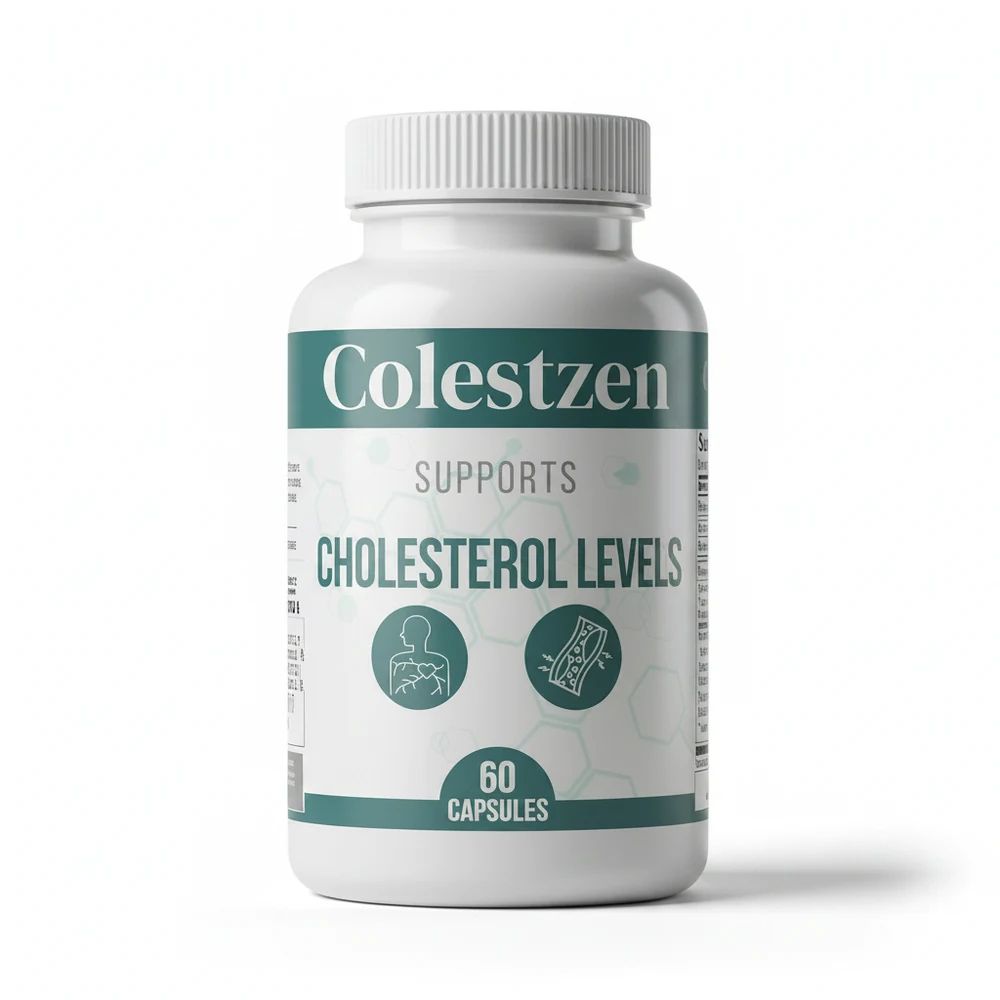
The single biggest reason people abandon a cholesterol supplement is not that it failed. It is that they checked too early, saw no change, and gave up before the biology had a chance to register. Cholesterol is a slow-moving number, and every honest timeline you will read is measured in weeks. Get the timing right and you give yourself a fair test; get it wrong and you will churn through bottle after bottle, quitting each one at the exact moment it was starting to matter. This guide sets out how long to genuinely expect, when to measure, and why so many people stall.
How long to lower cholesterol: the realistic timeline
Your body is constantly making, using and recycling cholesterol, and the number on your blood test reflects a rolling balance rather than a snapshot of what you swallowed yesterday. When you add a supplement that nudges that balance, the effect accumulates gradually as your metabolism settles into a new steady state. That process takes time, and rushing the verdict is like weighing yourself hourly and concluding a diet does not work.
As a working rule, most cholesterol-relevant supplements need 4 to 12 weeks of consistent daily use before a change is measurable on a lipid panel. The best-characterised example is plant sterols, or phytosterols: at an intake of around 2.6 grams a day, they meaningfully reduce LDL cholesterol, with the effect building over roughly 12 weeks. Soluble fibres such as psyllium and beta-glucan work on a similar timescale. Botanicals studied for lipid and metabolic balance are typically gradual too, and often more modest in size.
Lifestyle change alone sits at the slower end. Meaningful shifts from diet, weight loss and activity commonly take 3 to 6 months to fully show, partly because the habits themselves take time to bed in and partly because the body adapts in stages. None of this is a reason for pessimism; it is a reason to set the clock correctly before you start, so that "it isn't working yet" at week two reads as "on schedule" rather than "failure."
Typical timelines to a measurable change
| Approach | When change usually shows | Notes |
|---|---|---|
| Plant sterols (~2.6 g/day) | ~12 weeks | Best-documented LDL reduction of the group |
| Soluble fibre (psyllium, beta-glucan) | 4–12 weeks | Dose-dependent; consistency is everything |
| Botanical lipid/metabolic formulas | 8–12 weeks | Gradual and generally modest in size |
| Diet and lifestyle only | 3–6 months | Habits take time to establish and compound |
Giving a supplement a fair 8-to-12-week run?
A proper trial needs a proper supply — which is why the multi-bottle options exist and why a single bottle rarely tells you much. See how ColestZen is priced across a full timeline, with its 60-day money-back guarantee, on the official page.
See the Official ColestZen OfferWhen to recheck your cholesterol
If there is one habit that separates people who can actually tell whether a supplement worked from those who are guessing, it is the blood test. Impressions are worthless here; cholesterol has no symptoms you can feel, so "I think it's helping" is meaningless in either direction. The number is the only honest witness.
The method is simple. Get a baseline lipid panel before you start, so you know your true starting point rather than a half-remembered figure from a check-up two years ago. Then recheck at roughly 8 to 12 weeks, which sits inside the window where most supplement effects have had time to appear. Testing much earlier than about six weeks risks catching a change that has not fully developed and concluding, wrongly, that nothing happened.
Consistency between the two tests matters more than people realise. Try to keep the conditions comparable — the same fasting status if your test requires fasting, a similar time of day, and no unusual eating or drinking the night before, since a heavy, fatty meal or a bout of alcohol can temporarily push triglycerides up and muddy the picture. You are trying to measure the supplement's signal, so keep the background noise as steady as you can.

Why your cholesterol might not be dropping
Suppose you have been taking something for a while and the number has not moved. Before you blame the product, run through the four usual suspects, roughly in order of likelihood.
Not enough time. This is the leading cause by a wide margin. If it has been three weeks, it is simply too soon, and the honest answer is to keep going and recheck later. Under-dosing. Many supplements are effective only at specific amounts — plant sterols need to reach roughly 2.6 grams a day, and a product delivering a fraction of that will underperform no matter how long you take it. Read the per-serving amount and compare it against the studied dose, not the marketing. Inconsistency. A capsule taken five days out of seven is not the capsule that was studied. These effects depend on maintaining a steady presence, and skipped days quietly erase progress.
The fourth suspect is the one nobody likes: you, and your genetics. A large share of your cholesterol level is set by inherited biology, and some people are simply low responders to a given ingredient. Diet, weight, activity, alcohol and smoking are all pulling on the same number at the same time, and a supplement is a modest lever competing against them. If your eating and lifestyle are working against you, even a good product will struggle to show a win. And if you have genuinely taken an adequate dose consistently for three months with no movement, that is a sensible moment to reassess the whole approach with your doctor rather than to buy a fifth brand.
LDL and triglycerides move on different clocks
One nuance that trips people up is treating "cholesterol" as a single number that rises and falls together. Your lipid panel is really several measures, and they do not all respond at the same speed or to the same things. Triglycerides are the most volatile: they swing with your last few meals, your alcohol intake and your carbohydrate load, which means they can move relatively quickly in either direction but also that a single bad week before a blood test can make an otherwise-working routine look like a failure. LDL cholesterol, the number most supplements aim at, is steadier and slower, which is precisely why the 8-to-12-week window exists.
This matters for interpreting your recheck. If your triglycerides dropped but your LDL barely moved, that is not a contradiction; it usually reflects which lever the ingredient actually pulls and how recently you ate. If your LDL is the target, resist reading too much into a triglyceride wobble, and make sure the conditions around both blood draws were as similar as you could manage. Understanding that these numbers keep different time is half the battle in judging whether anything is working, because it stops you from declaring victory or defeat on the wrong measure.
It is also why a fasting panel, if your clinician asks for one, is worth doing properly. Turning up having eaten a large meal the night before can inflate triglycerides and distort the very comparison you are trying to make. Small procedural discipline around the test protects weeks of patient effort from being misread in a single morning.
Consistency and dose beat brand hype every single time. The person who takes an adequately dosed supplement every day for three months will almost always out-measure the person who switches products every three weeks chasing a faster result.
Why brand-switching is the enemy of results
There is a specific, self-defeating pattern worth naming because it is so common. Someone buys a bottle, takes it for a few weeks, sees no change on a mid-window test or simply on vibes, decides the brand is a dud, and switches to a new product — resetting the clock to zero. Repeat that a few times and you can spend six months and a lot of money never once giving any single product the 8-to-12-week run it needed to prove itself. The churn feels like diligence. It is actually the surest way to guarantee you never find out whether anything works.
The antidote is boring and effective: pick a reasonable product at an adequate dose, commit to a full timeline, measure properly at the ends, and resist the urge to jump ship in the middle. This is also, incidentally, why multi-month supplies tend to be both better value and better science than single bottles — they are sized to the window a fair trial actually requires. Buying enough to finish the test is part of running the test.
There is a psychological trap hiding inside the churn as well. Every time you switch products you get a fresh burst of optimism — a new bottle, a new promise, a renewed sense that this one will be different. That optimism feels like progress, but it is the enemy of the patience the biology actually demands. The people who succeed are rarely the most enthusiastic; they are the most boring, taking the same capsule at the same time every day and trusting the calendar rather than their mood. If you can treat the first eight weeks as data collection rather than as a verdict pending, you remove most of the temptation to quit early, and you give whatever you chose an honest chance to show up on paper.
Setting the whole thing up to succeed
A few practical moves stack the odds in your favour. Take the supplement at the same time each day, ideally tied to a routine you already never skip, so consistency looks after itself. Where an ingredient is fat-soluble or absorbs better with food, take it with a meal. Keep a simple note of your start date and your baseline numbers so that at the recheck you are comparing hard figures, not memories. And be honest that a supplement is one input among several — the biggest levers on cholesterol remain what you eat most days, your weight, your activity, and prescribed medication taken as directed.
If you are weighing up which supplement to give this kind of committed run, it pays to read across the options first rather than grabbing the loudest bottle. Our overview of which cholesterol-lowering supplements have real evidence is the right starting point, and if you want the underlying science on the sterol side specifically, the deep dive on cinnamon and plant sterols for cholesterol explains why the 2.6-gram figure matters. It is also worth being clear-eyed about the pills-versus-habits trade-off, which we cover in cholesterol pills versus lifestyle changes.
Whatever you choose, the discipline is the same: an adequate dose, taken every day, for a full 8-to-12-week window, measured with a blood test at both ends. Do that, and for the first time you will have an honest answer instead of a guess.
Related reading
Medical note: this article is general information, not medical advice. Speak to a healthcare professional before starting any supplement and about how often to test, especially if you are pregnant, nursing, taking medication such as a statin, or managing high cholesterol — and never stop a prescribed medicine on your own.
Frequently asked questions
How long does it take a supplement to lower cholesterol?
Most cholesterol supplements need 4 to 12 weeks of consistent daily use before a measurable change shows on a blood test. Well-studied ingredients such as plant sterols at around 2.6 grams a day typically show a meaningful LDL reduction by about 12 weeks. Lifestyle-only change can take 3 to 6 months. Anything you judge in the first two weeks is expectation, not chemistry.
When should I recheck my cholesterol after starting?
The most useful approach is a baseline lipid panel before you start and a recheck at roughly 8 to 12 weeks, so you are comparing numbers rather than impressions. Testing sooner than about 6 weeks risks catching a change that has not fully developed. Keep other factors, such as fasting status and time of day, as consistent as you can between the two tests.
Why is my cholesterol not dropping on supplements?
The usual reasons are too little time, an under-dose, or inconsistent daily use, followed by diet and lifestyle pulling in the opposite direction. Genetics also set a large part of your baseline, and some people simply respond less to a given ingredient. If you have taken an adequate dose consistently for three months with no change, it is reasonable to reassess the approach with your doctor.
Do I need to take cholesterol supplements forever?
Generally the effect lasts only while you keep taking the supplement and maintaining the habits alongside it; stop, and levels tend to drift back toward your personal baseline over time. Supplements are ongoing support, not a one-time fix. Whether long-term use makes sense for you is a personal decision best made with your doctor, based on your blood tests and overall risk.
Scientific references
Give one formula a real run
Nine plant botanicals in a daily capsule, priced for the multi-month window a fair trial needs, with a 60-day money-back guarantee. See the full ColestZen label and current offer.
Check Availability & Offer