ColestZen Reviews: Ingredients & Does It Work
Quick Answer: Does ColestZen Actually Work?
Most honest ColestZen reviews land in the same place: it is a nine-botanical support supplement, not a medicine, so judge it as one part of a routine rather than a cure. Ingredients like cinnamon, mulberry, banaba and gymnema have research tied to lipid and blood-sugar balance, effects are modest, and results build over weeks, not days.
- What it is: nine plant botanicals aimed at cholesterol, metabolic and circulatory balance.
- Timeline: plan on 8–12 consistent weeks before a fair verdict.
- Backstop: the official store carries a 60-day money-back guarantee.
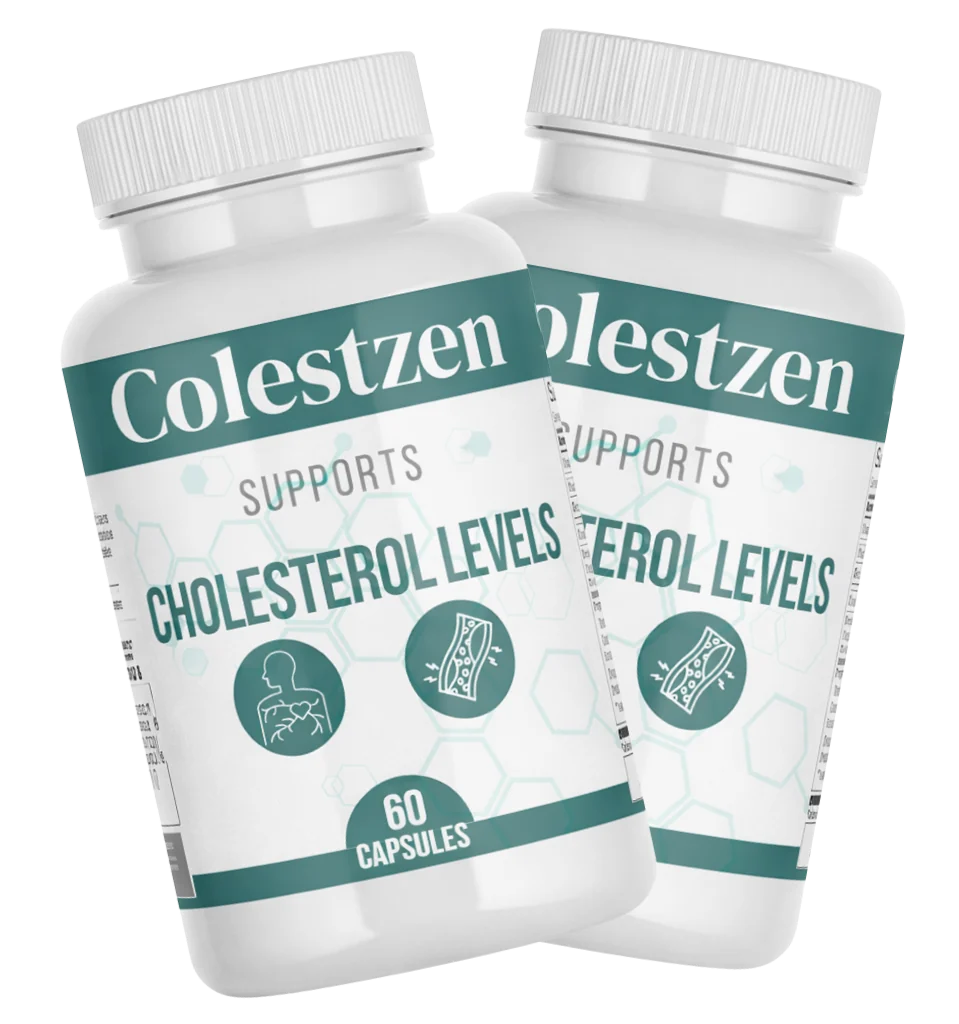
If you have typed "ColestZen reviews" into a search bar, you are almost certainly at the last step before buying, and you want the same two things everyone at this stage wants: what is actually in it, and whether it does anything. Fair questions, and the honest answers are more useful than the breathless ones. This is an independent review from an affiliate publisher — we earn a commission if you buy, and we would rather you buy something that matches your expectations than return it disappointed. So we will go through the label ingredient by ingredient, set a realistic timeline, and be direct about the limits.
What ColestZen is, in plain terms
ColestZen is a daily capsule built around nine plant botanicals rather than isolated vitamins or a single "active." The formula leans on herbs traditionally associated with cholesterol, blood-sugar and circulatory balance, on the logic that several mild levers pulling in the same direction may add up to more than any one of them alone. That is a reasonable design philosophy, and it is also the philosophy that makes blended supplements hard to evaluate, because the specific combination is rarely trialled as a finished product even when the individual parts have been studied.
So the fair way to review a formula like this is not to ask whether "ColestZen" has a clinical trial with its name on it — almost no botanical blend does — but to ask whether the ingredients it contains have credible evidence behind them, at plausible amounts, and whether the claims made around it stay honest. Let us take the ingredients in turn.
ColestZen ingredients and the evidence behind each
Cinnamon bark. The most-studied ingredient in the blend. Cinnamon has a body of research linking it to modest improvements in blood-sugar handling and, less consistently, to small changes in lipid markers. The evidence is real but mixed, with results varying by cinnamon type and dose. Think supportive, not decisive.
Mulberry leaf and fruit. Mulberry leaf contains compounds that blunt the breakdown of dietary carbohydrate, which is why it turns up in metabolic formulas. Early research is encouraging for post-meal blood-sugar and has some lipid signals, though human trials are still limited in size.
Banaba leaf. Banaba supplies corosolic acid, studied mainly for glucose metabolism. Its cholesterol data are thinner, so its inclusion is more about the metabolic side of the picture than a direct LDL play.
Gymnema sylvestre. A herb with a long traditional history around sugar cravings and glucose control, and some supporting laboratory and small-trial work. Its lipid evidence is preliminary.
Bitter melon. Widely studied for blood sugar with genuinely mixed results; some trials show a modest effect, others none. It contributes to the metabolic theme of the formula rather than to a strong cholesterol claim.
Cayenne pepper. Included largely for circulatory support and as a traditional metabolic aid. Evidence here is more mechanistic and traditional than outcome-based, and it is the ingredient most likely to cause stomach warmth in sensitive people.
Licorice root, juniper berry and yarrow herb. These three lean heavily on traditional use for circulatory and metabolic balance rather than on modern clinical trials. Licorice in particular deserves a flag, which we come to under side effects, because it is not a "free" botanical at higher doses.
Read that list plainly and a pattern emerges: this is a metabolically themed formula, strongest on the blood-sugar and circulatory side, with cholesterol support that is plausible and traditional rather than proven by a landmark trial. That is not a criticism so much as an accurate description, and it is exactly the kind of thing a good review should tell you before you spend money.

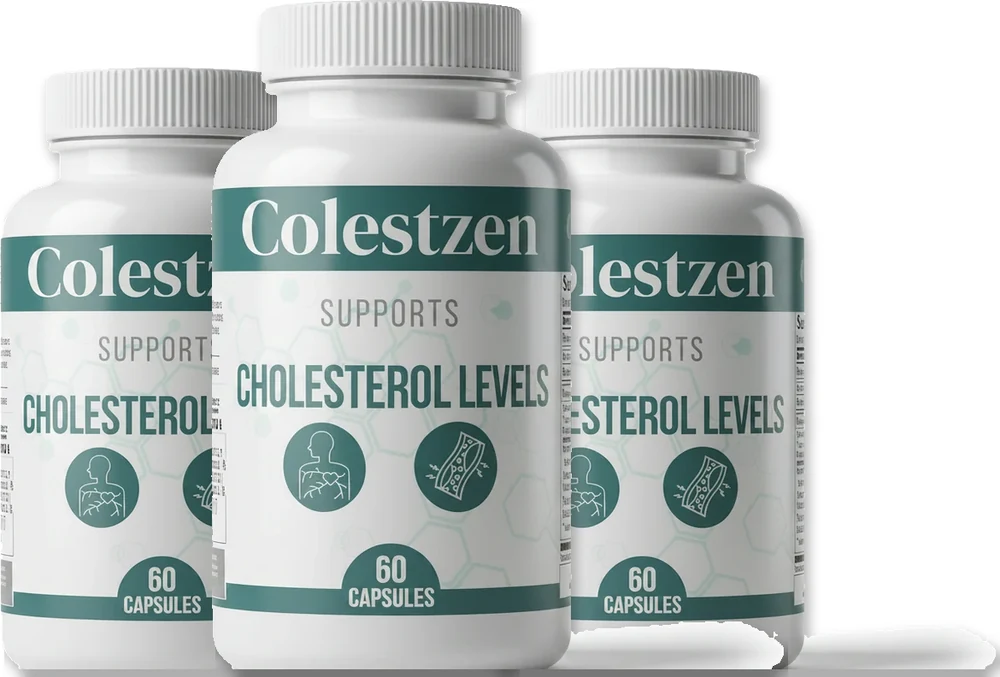
Want to read the full label for yourself?
The most useful thing you can do before buying is see every botanical and every amount in one place, alongside the 60-day money-back guarantee. The official ColestZen page lays it all out.
See the Official ColestZen OfferDoes ColestZen really work? Setting honest expectations
Here is the objection worth meeting head-on: "if the ingredients are only modest, why bother?" The answer is that modest is not the same as nothing, and that a supplement is one lever among several. Botanical lipid and metabolic effects tend to be small and gradual, which means they are easy to miss if you expect a dramatic before-and-after, and easy to appreciate if you measure properly with a blood test over a sensible window. People who describe ColestZen as having "worked" almost always took it consistently for a couple of months and paired it with some change in how they ate or moved.
The second objection is the mirror image: "the reviews are too good to be true." They often are, and that cuts both ways. Glowing five-star testimonials and furious one-star refunds are both unreliable narrators. The five-star crowd frequently changed several things at once and credited the capsule; the one-star crowd frequently expected a two-week miracle and quit before anything botanical could plausibly register. Neither tells you what the ingredient evidence tells you, which is why we anchored this review to the label rather than to the star rating.
So does it work? The intellectually honest answer is that ColestZen is a reasonable, evidence-informed botanical support formula that is most likely to help people who use it consistently, as part of a broader routine, and who hold realistic expectations about the size of the effect. It is not a substitute for a statin, it does not treat any disease, and no responsible review should imply otherwise.
Reading a blended label without getting fooled
Blended formulas invite one specific trap, and it is worth naming so you can sidestep it. When a bottle lists nine impressive-sounding botanicals, the instinct is to assume nine is better than one. Sometimes it is; often it just means each ingredient is present in a smaller amount than it would be in a single-ingredient product built around that one herb. The front of the bottle sells the length of the list. The back of the bottle, the supplement facts panel, is where you find out how much of each you are actually getting.
The honest way to evaluate ColestZen, or any blend, is therefore to check whether the ingredients you care about most — here, the better-studied ones like cinnamon and mulberry — appear at amounts in the ballpark of what research used, rather than as a token dusting. Where a blend uses a proprietary formulation, the individual milligrams may not all be broken out, which is a normal industry practice but also a reason to lean on the official label and to keep your expectations proportionate. This is not a reason to distrust blended products as a category; it is a reason to read them the same way you would read any other purchase, with the panel rather than the marketing as your source of truth.
It also explains why a blend and a single-ingredient supplement are not really competitors. If you have decided your entire strategy rests on one heavily studied compound at a specific dose, a dedicated single-ingredient product may serve you better. If you want a broad, metabolically themed daily that pulls several mild levers at once and fits into a wider routine, a blend like ColestZen is a coherent choice. Knowing which of those two shoppers you are removes most of the confusion before you spend anything.
ColestZen side effects and safety flags
For most healthy adults, the botanicals in ColestZen are generally well tolerated. That said, "botanical" does not mean "consequence-free," and a good review names the specific cautions rather than waving them away.
The two worth singling out are cayenne and licorice. Cayenne can cause stomach warmth, mild heartburn or gastrointestinal upset in people who are sensitive to capsaicin; taking the capsule with food usually helps. Licorice root is the more important flag: at higher doses or with prolonged use, licorice can raise blood pressure, deplete potassium and interact with several medications. If you have high blood pressure, kidney concerns, or take medicines affected by potassium, that is a specific reason to speak to a doctor before starting, not a generic disclaimer.
More broadly, because these ingredients can influence blood sugar and, in licorice's case, blood pressure, anyone on diabetes or blood-pressure medication should treat the addition as something to supervise, not to freelance. Pregnancy and nursing are a clear "ask first." And because supplements are not pre-approved for potency, buying from the official store rather than a grey-market reseller is the simplest way to know what you are actually swallowing.
How long before you should judge it
The most common reason people conclude a cholesterol supplement "did nothing" is that they judged it far too early. Botanical lipid changes are gradual. A fair test is a consistent daily run of at least 8 to 12 weeks, bracketed by a baseline blood test before you start and a recheck at the end, so you are comparing numbers rather than impressions. Anything you feel in the first two weeks is expectation, not chemistry, in either direction.
We go deeper into this in a dedicated companion piece, because it is the single most useful thing to get right. If you want the full timeline and why consistency beats brand-switching, read our guide on how long supplements take to lower cholesterol before you start, so you know exactly when to recheck and what "working" should look like.
A supplement review that promises certainty is selling you something. The useful version tells you what is in the bottle, what the evidence for each part actually says, how long to give it, and where the honest limits are — then lets you decide.
The guarantee, the price and who it suits
On the commercial side, the official ColestZen store attaches a 60-day money-back guarantee, and the better-value pricing sits on the multi-bottle supplies rather than a single bottle — which is consistent with the 8-to-12-week window a fair trial needs anyway. Buying a two- or three-month supply and actually finishing it is a better test than buying one bottle and stopping halfway. The guarantee is worth reading in full on the official page so you know the return window and the conditions before, not after, you order.
Who is ColestZen a sensible fit for? Someone whose foundations are broadly in place — reasonable diet, some activity, not smoking — who wants a botanical daily aimed at the cholesterol and metabolic side, and who is willing to give it a real 8-to-12-week run and check the result with a blood test. Who should look elsewhere or check with a doctor first? Anyone on relevant medication, anyone expecting it to replace a prescription, anyone with the specific licorice-related cautions above, and anyone who wants a two-week miracle, because no botanical delivers that.
For the wider context, it is worth reading across the category rather than fixating on one product. Our overview of which cholesterol-lowering supplements actually have evidence puts ColestZen's ingredients in the context of every option on the shelf, and if you are also comparing where and how to buy, the ColestZen cost and guarantee breakdown covers the purchasing side in detail.
Related reading
Medical note: this article is general information, not medical advice. ColestZen is a dietary supplement, not a treatment for any condition. Speak to a healthcare professional before starting, especially if you are pregnant, nursing, taking medication, or managing high cholesterol or blood pressure — and never stop a prescribed medicine on your own.
Frequently asked questions
Does ColestZen really work for cholesterol?
ColestZen is a botanical supplement, not a medicine, so it is best judged as nutritional support rather than a cure. Several of its ingredients, including cinnamon, mulberry leaf, banaba and gymnema, have research linking them to lipid and blood-sugar balance, though study quality varies and effects are modest. It is most likely to help as one part of a broader routine, and results vary from person to person.
What are the ingredients in ColestZen?
ColestZen is built around nine plant botanicals: cinnamon bark, mulberry leaf and fruit, banaba leaf, gymnema sylvestre, bitter melon, cayenne pepper, licorice root, juniper berry and yarrow herb. The formula leans on ingredients traditionally associated with cholesterol, metabolic and circulatory balance rather than on isolated vitamins or a single active.
Are there any ColestZen side effects?
For most healthy adults the botanicals in ColestZen are generally well tolerated, but side effects are possible. Cayenne can cause stomach warmth or upset, and licorice root in particular can raise blood pressure and interact with medication at higher doses or with prolonged use. Anyone pregnant, nursing, on medication or managing a health condition should check with a doctor before starting.
How long before ColestZen shows results?
Botanical lipid changes are gradual, so most people should plan on a consistent run of at least 8 to 12 weeks before rechecking a blood test, rather than expecting a quick shift in a fortnight. Taking it daily as directed and pairing it with diet and activity changes gives the fairest test. If nothing has moved after a few months, it is reasonable to reassess with your doctor.
Scientific references
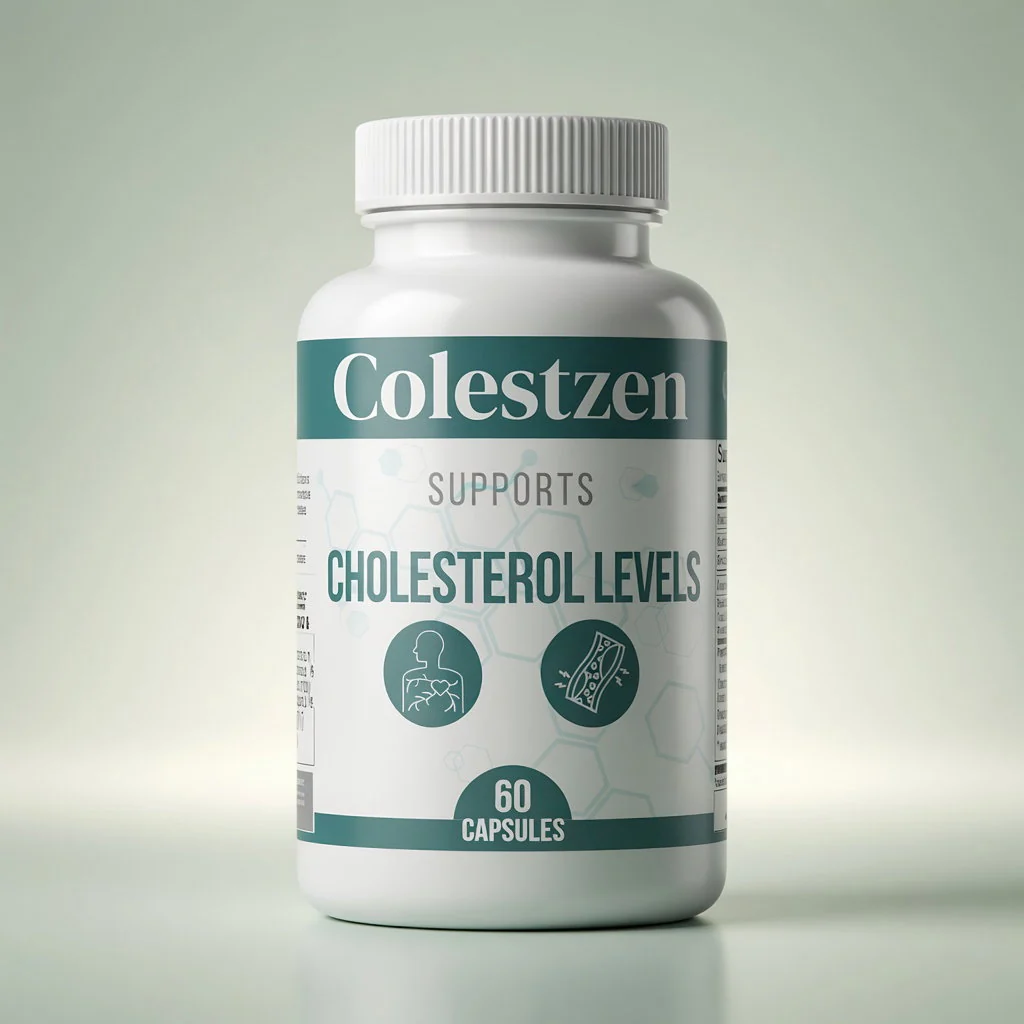
Decide with the full label in front of you
Every botanical, every amount, the current pricing and the 60-day money-back guarantee — the official ColestZen page is the fairest place to make the call.
Check Availability & Offer