ColestZen Side Effects: Is It Safe to Take?
Quick Answer: Is ColestZen Safe?
ColestZen side effects are usually mild and digestive because it is a blend of food-grade botanicals at supplement doses. The bigger issues are interactions: several ingredients gently lower blood sugar, so anyone on diabetes or blood-thinner medication should get clinician sign-off before starting, and pregnant or nursing women should not take it.
- Common: mild, temporary stomach upset, gas or loose stools, mostly from cayenne, bitter melon or licorice.
- Watch: blood-sugar-lowering ingredients plus diabetes medicine can push glucose too low.
- Ask first: statins, metformin, blood thinners, blood-pressure drugs, or any liver or kidney condition.
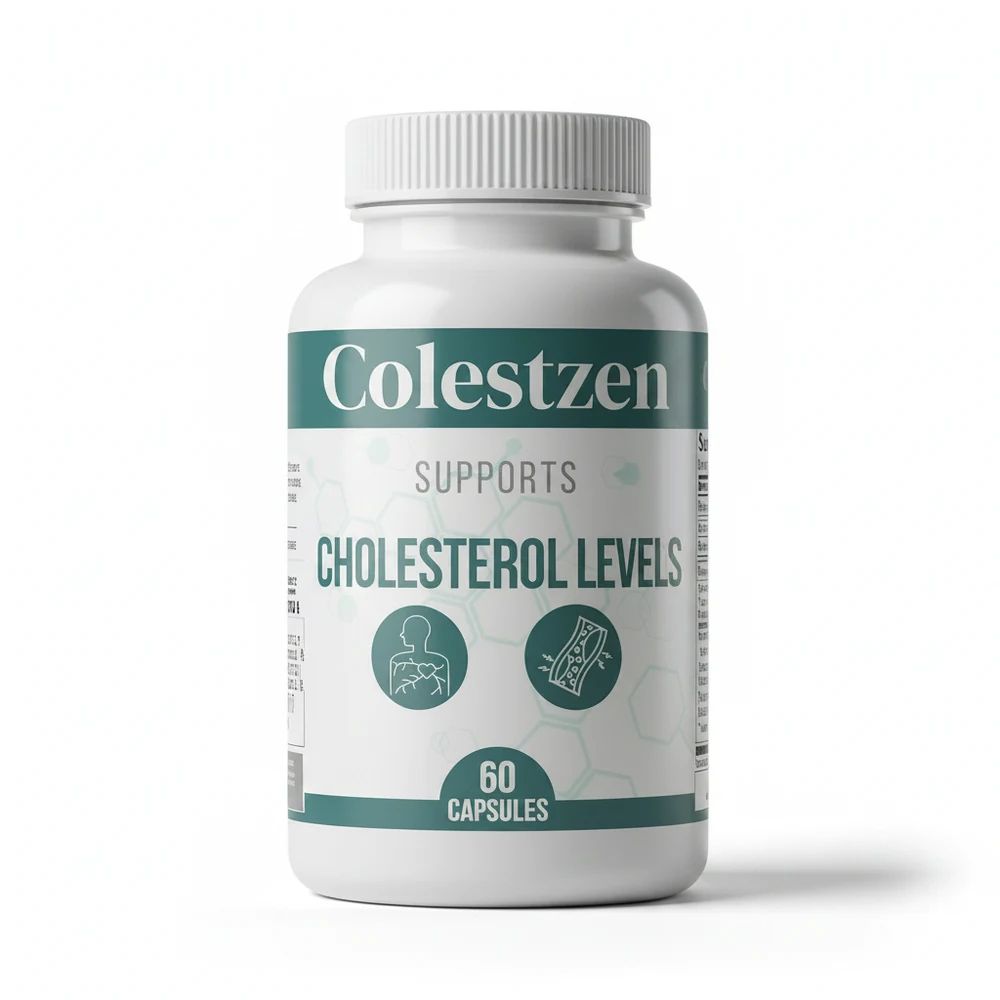
If you are researching ColestZen side effects before you buy, you are doing exactly the right thing, and this page is written to answer that question honestly rather than to wave it away. ColestZen is a blend of nine plant botanicals — cinnamon bark, mulberry, banaba leaf, gymnema sylvestre, bitter melon, cayenne, juniper berry, licorice root and yarrow — each with a long history of dietary use. For most healthy adults it is well tolerated. But "well tolerated" is not the same as "risk-free," and the honest safety story is less about the ingredients alone and more about who is taking them and what else is in the medicine cabinet.
We are an independent affiliate publisher, not the manufacturer and not your doctor. Our aim here is to give you the real tolerability picture, ingredient by ingredient, so you can walk into a conversation with a clinician informed rather than nervous. Nothing below is medical advice, and the single most useful thing you can do before starting any supplement is get a healthcare professional's sign-off — especially if you take prescription medication.
Does ColestZen have side effects? The nine botanicals, one at a time
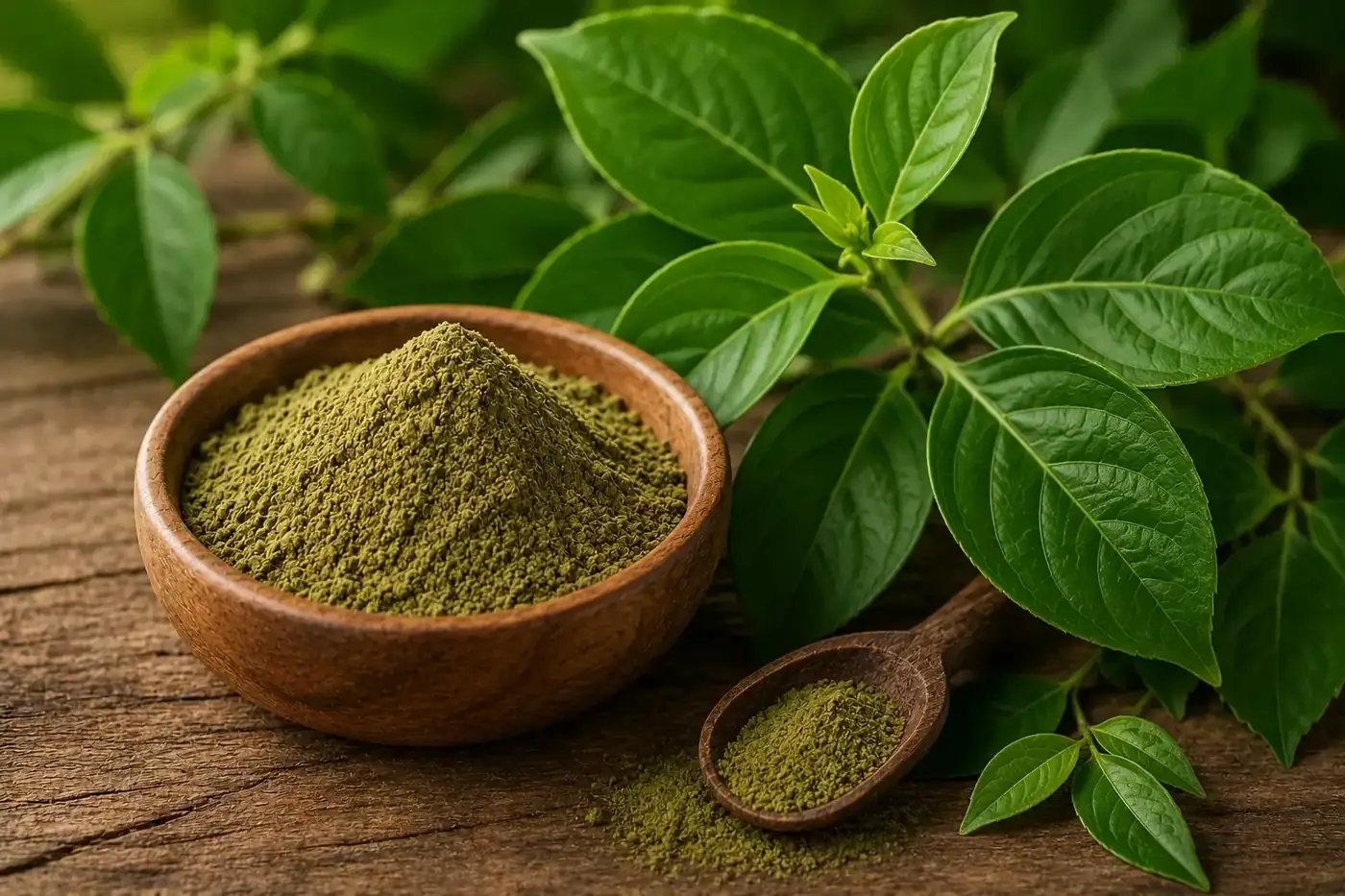
The most common ColestZen side effects are mild and digestive, and they tend to trace back to a few specific ingredients. Here is the transparent, plant-by-plant view rather than a blanket reassurance.
- Cinnamon bark — well tolerated at food-level doses. The main caveat is coumarin in cassia-type cinnamon, a liver consideration only at high, sustained intakes; label doses are far below that concern for most people.
- Mulberry leaf — generally gentle; can cause mild bloating or loose stools in some, and it can nudge blood sugar down, which matters if you already take glucose-lowering medicine.
- Banaba leaf — studied for glucose support and usually well tolerated; its blood-sugar effect is the thing to be aware of, not the plant itself.
- Gymnema sylvestre — can blunt sweet taste and lower blood sugar; the clearest interaction risk is with diabetes medication, where it can compound the drop.
- Bitter melon — may cause stomach upset or cramping, and it too lowers blood sugar; not for pregnancy.
- Cayenne pepper — the usual culprit for heartburn, warmth or mild GI irritation, particularly on an empty stomach.
- Juniper berry — mildly diuretic; caution with kidney conditions and not recommended in pregnancy.
- Licorice root — the ingredient that most deserves respect. Glycyrrhizin, at higher doses used over long periods, can raise blood pressure and lower potassium; people with hypertension should be especially careful.
- Yarrow — a ragweed-family plant, so it can trigger allergy in sensitive people, and it may have mild effects on bleeding, which matters if you take a blood thinner.
Read together, the pattern is clear: the ingredients themselves are mostly gentle, the digestive effects are usually temporary, and the two ingredients that warrant the most attention over time are licorice and cassia cinnamon. Taking ColestZen with food and starting at the labeled dose defuses most of the common complaints. For the fuller efficacy-and-dosage picture behind each of these, our ColestZen reviews and ingredient breakdown goes deeper than a safety page can.
ColestZen side effects and drug interactions: statins, metformin and blood thinners
This is the section that matters most, because for a botanical like this the real risk usually lives in the interactions, not the ingredients in isolation. Three scenarios come up repeatedly.
With statins. ColestZen is not a statin and must never be used to replace one. There is no known dangerous clash between the botanicals and statin therapy, but that is not a green light to self-adjust: never change or stop a prescribed cholesterol medicine on your own. If you take a statin and also want muscle-comfort context, our explainer on CoQ10, statins and muscle support evidence is worth reading alongside this page.
With metformin or other diabetes drugs. This is the interaction to take seriously. Gymnema, banaba, bitter melon, cinnamon and mulberry can each lower blood sugar to some degree. Stack several of them, in one capsule, on top of metformin, a sulfonylurea or insulin, and you can push blood glucose lower than intended — that is a real hypoglycemia consideration, not a theoretical one. If you manage diabetes, do not start ColestZen without telling your prescriber exactly what is in the bottle and letting them decide, and watch for shakiness, sweating or lightheadedness.
With blood thinners and blood-pressure medicine. Yarrow may affect bleeding, so it warrants caution with warfarin or similar anticoagulants. Licorice can raise blood pressure and interact with the goals of antihypertensive medication. Neither is a reason to panic; both are reasons to loop in your doctor before your first capsule rather than after.

Want to try ColestZen at low risk after checking with your clinician?
The official store backs every order with a 60-day money-back guarantee, so if it does not agree with you, you are not stuck with it. See the full label and today's price before you decide.
See the Label & 60-Day GuaranteeIs ColestZen safe for long-term use?
For most healthy adults, the botanicals in ColestZen have a long track record of dietary use and are reasonable to take across an extended course — which is actually necessary, since cholesterol and metabolic changes from a botanical show up over weeks, not days. If you want the timeline in detail, our guide to how long supplements take to lower cholesterol explains why patience is part of the plan.
Long-term use does bring two ingredients into focus. Licorice root is the main one: sustained higher-dose intake can raise blood pressure and deplete potassium, so people with hypertension should be cautious and everyone should stick to the labeled amount rather than doubling up. Cassia cinnamon's coumarin content is a liver consideration only at high intakes over time. The sensible protocol is simple — take the labeled dose, not more; recheck your cholesterol and blood pressure periodically so you are making decisions on data; and review extended use with a clinician, particularly if you have blood-pressure or liver concerns. Used that way, long-term use is reasonable for most people.
Who should not take ColestZen?
Some people should skip ColestZen or clear it with a doctor first, and it is worth being blunt about who.
- Pregnant or nursing women — several botanicals (bitter melon, juniper, yarrow) are not recommended in pregnancy; do not take it.
- Children — this is an adult supplement and was not formulated or studied for children.
- Anyone with a botanical allergy — particularly ragweed-family sensitivity, because of the yarrow.
- People on diabetes medication — because of the additive blood-sugar-lowering effect; only with prescriber approval.
- People on blood thinners or blood-pressure medicine — because of yarrow and licorice respectively; check first.
- People with liver or kidney conditions — because of coumarin (cinnamon) and the diuretic action (juniper); check first.
If none of those describe you and you are a healthy adult not on prescription medication, ColestZen is a low-risk trial for most people. If any of them do, the answer is not necessarily "no" — it is "ask a clinician first," which is genuinely the safest path rather than a legal formality.
For a botanical blend like ColestZen, the real safety question is rarely the ingredients alone — it is the interaction with your medicines and conditions. A five-minute conversation with your clinician is the most protective step you can take.
The FDA disclaimer, and why the guarantee lowers your risk
An honest safety page has to say this plainly: these statements have not been evaluated by the Food and Drug Administration, and ColestZen is not intended to diagnose, treat, cure or prevent any disease. Dietary supplements are not reviewed for safety and efficacy the way prescription drugs are, so the burden of caution falls partly on you — read the label, respect the dose, and involve a professional.

Where the risk genuinely drops is the guarantee. ColestZen is backed by a 60-day money-back guarantee from the official store, which matters for a safety-minded buyer: if your body simply does not agree with the formula, you are not locked in. That protection only holds on official-store orders, so if the low-risk trial is what tips your decision, buy direct — our page on where to buy ColestZen and how the cost and guarantee work covers the details.
Medical note: this article is general information, not medical advice. Speak to a healthcare professional before starting any supplement, especially if you are pregnant, nursing, taking medication such as a statin, metformin or an anticoagulant, or managing high cholesterol, blood pressure, or a liver or kidney condition — and never stop a prescribed medicine on your own.
Related reading
Frequently asked questions
Does ColestZen have any side effects?
ColestZen is generally well tolerated because it is a blend of food-grade botanicals at supplement doses, but no supplement is side-effect-free. The most common issues are mild and digestive: temporary stomach upset, gas, loose stools or heartburn, most often from the cayenne, bitter melon or licorice. Because several of the ingredients can gently lower blood sugar, anyone on diabetes medication should watch for lightheadedness. Start with the labeled dose, take it with food, and stop and speak to a clinician if anything unusual persists.
Can I take ColestZen with statins or metformin?
Only with your prescriber's sign-off. ColestZen is not a statin and should never replace one, and while there is no known dangerous clash with statins, you should not change or stop a prescribed medicine without medical advice. With metformin or other diabetes drugs the caution is real: gymnema, banaba, bitter melon, cinnamon and mulberry can each lower blood sugar, so stacking them on top of glucose-lowering medication can push blood sugar too low. Tell your doctor exactly what is in the bottle and let them decide.
Is ColestZen safe for long-term use?
For most healthy adults the botanicals in ColestZen have a long history of dietary use and are reasonable to take for an extended course, but two ingredients deserve attention over time. Licorice root can, at higher doses used for long periods, raise blood pressure and lower potassium, and cassia-type cinnamon contains coumarin, which is a liver consideration at high intakes. Taking the labeled dose rather than more, periodically rechecking your cholesterol and blood pressure, and reviewing long-term use with a clinician keeps it sensible.
Who should not take ColestZen?
ColestZen is not suitable for people who are pregnant or nursing, for children, or for anyone with a known allergy to its botanicals, including ragweed-family plants like yarrow. People on blood thinners, diabetes medication, blood-pressure medicine, or those with liver or kidney conditions should not start it without clinician approval, because ingredients such as yarrow, gymnema, licorice and juniper can interact with those conditions and medicines. If you have any diagnosed condition or take prescription drugs, get a doctor's sign-off first.
Sources and further reading
Try ColestZen at low risk with the 60-day guarantee
Once you have checked with your clinician, the official store lets you start with a 60-day money-back guarantee — so a poor personal reaction never has to cost you. Today's price and the full label are on the checkout.
Go to the Official ColestZen Store