Cholesterol-Lowering Supplements: What Works
Quick Answer: Which Cholesterol-Lowering Supplements Actually Work?
Cholesterol-lowering supplements work best when you choose ingredients with genuine trial support rather than marketing hype. Standardised red yeast rice and citrus bergamot have lowered LDL in controlled studies, while several single nutrients failed head-to-head against placebo. Treat them as support alongside diet, exercise, and any prescribed statin, never as a replacement.
- Strongest signal: standardised red yeast rice (LDL roughly −15–25%) and citrus bergamot (LDL −23% to −38.6%).
- Weak or mixed: several single-ingredient pills failed to beat placebo in a 2023 trial of 190 adults.
- Golden rule: support, don't replace, statins — and speak to your doctor first.
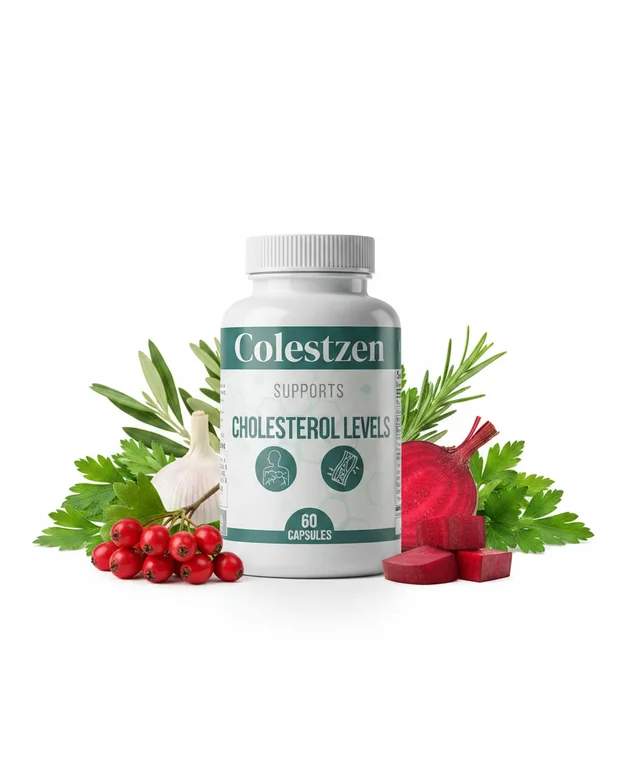
Walk down any pharmacy aisle and you will find a dozen bottles promising to fix your numbers. Most cholesterol-lowering supplements make the same confident claims, yet the evidence behind them ranges from genuinely encouraging to functionally worthless. This guide sorts the shortlist from the noise, maps each popular ingredient to the actual data, and shows you how to read a label so you are buying a mechanism rather than a mood. Nothing here treats or cures anything — it is a buyer's guide grounded in what the studies really measured.
The reason this matters is money and time. A cabinet of under-dosed capsules costs the same as a well-chosen one, and only one of them moves the needle. So before you spend, it is worth knowing which cholesterol-lowering supplements have earned their place and which are riding on a friend's anecdote.
Do cholesterol-lowering supplements actually work? What the 2023 trial showed
The most useful reality check in this whole category arrived in 2023. Researchers ran a randomised, single-blind trial in 190 adults, pitting six of the most popular over-the-counter products — including cinnamon, garlic, turmeric, plant sterols, a red yeast rice product, and fish oil — against both a placebo and a low-dose statin over 28 days. The headline result was blunt: none of the supplements produced a meaningful reduction in LDL cholesterol compared with the placebo, while the low-dose statin cut LDL by roughly a third.
That study is often quoted as proof that supplements are useless. It is more accurate to say it proved that those specific products, at those doses, over that short window, did not beat a sugar pill. The red yeast rice arm, for instance, used a product with a low monacolin K content — the very compound responsible for the effect in the studies that did work. In other words, the trial is a warning about product quality and dose as much as it is about ingredients. The lesson is not “supplements do nothing”; it is “the ingredient, the standardisation, and the dose decide everything.”
Keep that framing as we go through the shortlist. Two ingredients have repeatedly cleared the bar in properly dosed trials, a few have modest but real supporting roles, and the rest are better thought of as flavour.
The supplements with the strongest signal
Red yeast rice is the heavyweight. Traditional fermented rice cultured with Monascus purpureus naturally produces monacolin K, which is chemically almost identical to the prescription statin lovastatin. In trials using standardised material at 1,200 to 2,400 mg per day, LDL typically falls by around 15 to 25 percent. That is a real, statin-adjacent effect — and it comes with statin-adjacent cautions, which is exactly why product quality matters so much. Our deep dive on the benefits and risks of red yeast rice for cholesterol unpacks the dosing and the safety caveats in full.
Citrus bergamot is the fast-rising alternative. A three-month double-blind trial found that 500 mg per day lowered LDL by about 23 percent, and 1,000 mg per day by an impressive 38.6 percent. A 2024 trial reported total cholesterol falling by roughly 63.6 mg/dL and triglycerides by about 74.7 mg/dL. Crucially, bergamot works through polyphenol flavonoids rather than a statin-like molecule, so it does not carry the same muscle-pain signal. If you want the full picture, see our breakdown of the citrus bergamot supplement dose-response for cholesterol.
How the popular cholesterol supplements compare
| Supplement | Typical effect on LDL | Evidence strength | What to know |
|---|---|---|---|
| Standardised red yeast rice | −15% to −25% | Strong (when properly dosed) | Contains monacolin K; statin-like cautions apply |
| Citrus bergamot | −23% to −38.6% | Promising and growing | Polyphenol mechanism; no myopathy signal |
| Plant sterols & stanols | −7% to −12% | Solid for the sterols themselves | Best from fortified foods at ~2 g/day |
| Soluble fibre (psyllium, beta-glucan) | Modest | Reasonable | Works by binding bile acids; needs a real dose |
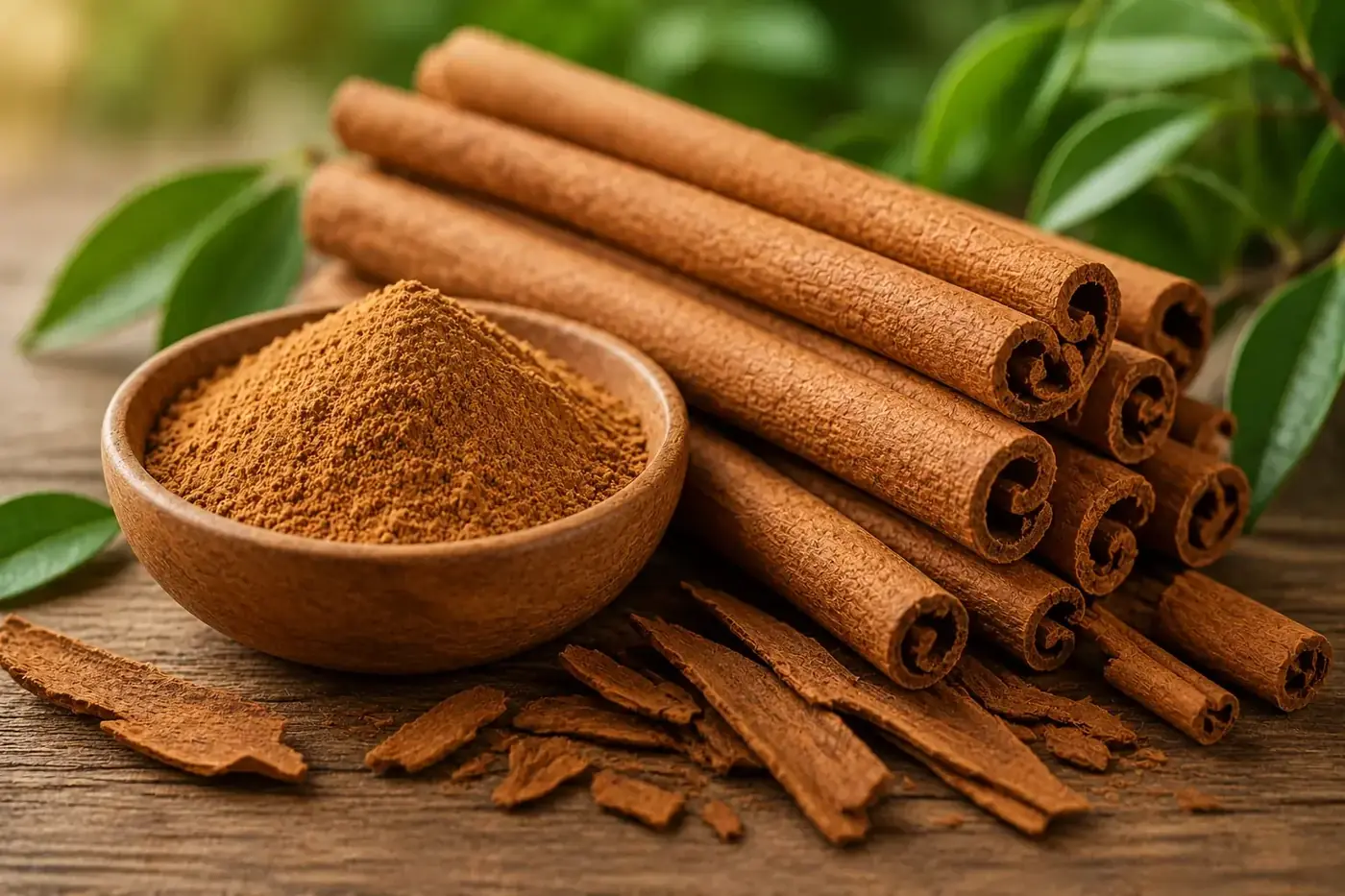
| Cinnamon | Small / inconsistent | Weak for LDL | Better studied for glucose than cholesterol |
| Garlic | Small / inconsistent | Weak | Effect shrinks in the better-controlled trials |
| Niacin (high-dose) | Lowers LDL, raises HDL | Outcome trials disappointing | Flushing and other effects; medical supervision |
| Fish oil (omega-3) | Little effect on LDL | Strong for triglycerides | Wrong tool if LDL is your target |
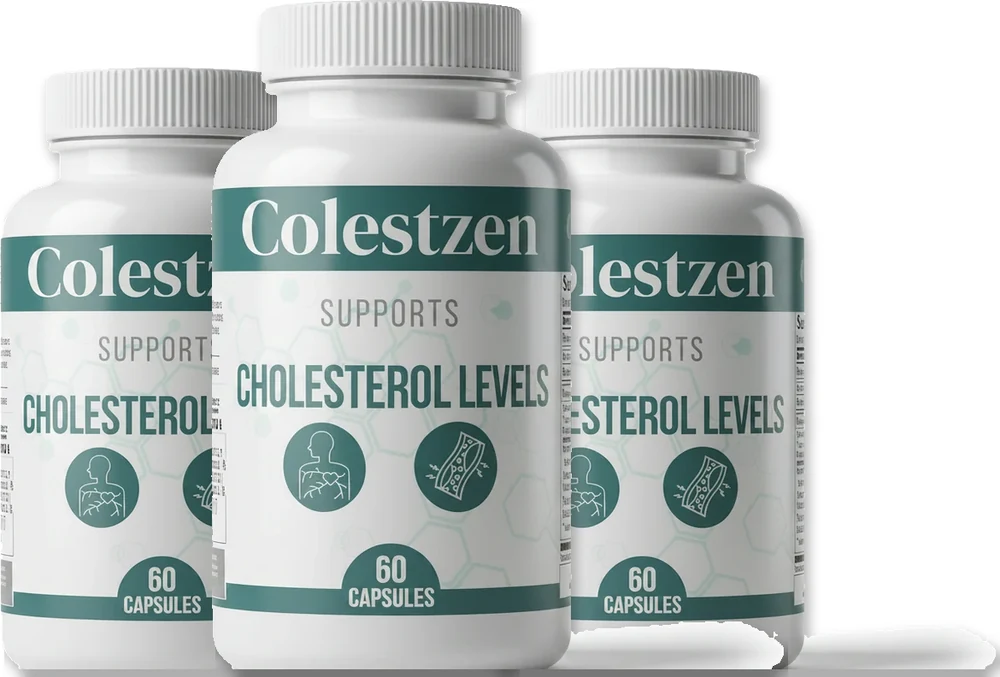
Comparing full formulas, not just single ingredients?
If you would rather see how a blended botanical formula lays out its ingredients and amounts before you decide, start with the panel itself.
See the Official ColestZen OfferThree myths worth clearing up before you buy
Myth one: “natural means it can replace my statin.” No supplement has the outcome data that statins have accumulated over decades — the evidence that they lower the risk of actual cardiovascular events, not just a lab number. Red yeast rice comes closest precisely because it contains a statin-like molecule, which is also why it carries similar risks. Supplements are best framed as support for people with borderline numbers, or as an adjunct chosen with a doctor, not a swap.
Myth two: “a bigger beetroot or garlic number on the front means a stronger product.” The front-of-pack milligrams tell you the weight of raw material, not the amount of active compound. For red yeast rice the figure that matters is monacolin content; for bergamot it is the standardised polyphenol fraction. A product that hides those numbers is asking you to trust it blind.
Myth three: “if it is sold over the counter, it must be tested and safe.” Supplements are regulated as food, not medicine, so potency and purity are the manufacturer's responsibility, not a regulator's guarantee. That is why third-party testing and a transparent label are worth paying for, and why the 2023 trial found some products under-delivering on their own active ingredient.
The honest shortlist is short: two ingredients with real dose-response data, a couple of supporting acts, and a long tail of pills that sell well because hope is a powerful motivator.
Can you take cholesterol supplements with a statin?
This is where honesty matters most. Stacking red yeast rice on top of a prescribed statin means doubling up on the same statin-like mechanism, which can raise the odds of muscle aches and liver-enzyme changes. That is a conversation to have with your doctor, not a decision to make from a blog. On the other hand, some supplements are used specifically to support people already on statins — CoQ10 is the classic example, and our guide to CoQ10 dose, forms and absorption explains why. The point is that “can I combine these?” has a different answer for every pairing, and only a clinician who knows your history can give you the right one.
How a blended formula like ColestZen fits in
Single-ingredient shopping has a hidden cost: you can end up with five bottles that each solve a sliver of the problem. Blended formulas try to cover several pathways at once. ColestZen takes that route, combining plant botanicals studied for cholesterol, metabolic and circulatory balance into one daily capsule, with each ingredient and its amount printed on the panel. That transparency is the part that matters — it lets you check whether the actives are present in meaningful amounts rather than as fairy dust. It is positioned as everyday nutritional support, not a treatment, and it is designed to sit alongside sensible eating and any medication you have been prescribed, not to override them.
Whether a blend or a single standardised extract suits you comes down to your goal, your budget and your doctor's input. The useful habit, either way, is the same: read the panel, check the dose against the trials, and be sceptical of anything that will not show its numbers.
A simple buying checklist for cholesterol supplements
If you strip away the marketing, a good cholesterol-lowering supplement passes five plain tests, and you can run them in the aisle or the browser tab before you spend a cent. First, does the label state the active content, not just the raw plant weight? For red yeast rice that means a monacolin figure; for bergamot, a standardised polyphenol fraction. A brand that hides the number it should be proudest of is telling you something. Second, does the dose match what the trials used? An ingredient can be genuinely effective and still be pointless at a quarter of the studied amount.
Third, is there third-party testing or a certificate of analysis? Supplements are regulated as food, so independent verification is the only real proof of potency and purity. Fourth, is the language honest? Phrases like “supports healthy cholesterol” are appropriate; “cures high cholesterol” is both illegal and a red flag. Fifth, and most important, have you run your shortlist past your doctor — especially if you already take a statin or other medication? A supplement that clears all five tests is worth considering. One that fails even the first is worth walking past, however loud the front of the bottle shouts.
Medical note: this article is general information, not medical advice. Speak to a healthcare professional before starting any supplement, especially if you are pregnant, nursing, taking a statin or other medication, or managing diagnosed high cholesterol — and never stop a prescribed medicine on your own.
Frequently asked questions
Do cholesterol-lowering supplements actually work?
Some do more than others. In a well-run 2023 trial of 190 adults, several popular single supplements failed to beat a placebo over 28 days, while a low-dose statin cut LDL by about a third. Yet standardised red yeast rice and citrus bergamot have repeatedly lowered LDL in controlled studies. The honest answer is that results depend heavily on the specific ingredient, the dose, and the quality of the product you buy.
Which supplement lowers LDL cholesterol the most?
On current evidence, standardised red yeast rice shows the strongest LDL reduction, roughly 15 to 25 percent, because it contains monacolin K. Citrus bergamot is close behind, with trials reporting LDL drops of 23 to nearly 39 percent at higher doses. Individual response varies a great deal, so neither figure is a guarantee for any one person.
Can I take cholesterol supplements with a statin?
Only with your doctor's sign-off. Some combinations, such as red yeast rice plus a statin, can stack the same mechanism and raise the risk of muscle and liver problems. Others, like CoQ10, are often used to support people who are already taking statins. Never add or stop anything without medical guidance.
Are over-the-counter cholesterol pills safe?
For most healthy adults the popular botanicals are well tolerated, but safe is not the same as risk-free. Supplements are not tightly regulated, potency and purity vary between brands, and a few carry real cautions. Third-party testing, an honest label, and a conversation with your doctor are the sensible minimum before you start.
Scientific references
- PubMed — supplements versus low-dose statin for LDL cholesterol (2023 trial)
- NIH NCCIH — Red Yeast Rice
- NIH Office of Dietary Supplements — fact sheet library
- American Heart Association — Cholesterol
- Harvard T.H. Chan School of Public Health — Nutrition Source
- Mayo Clinic — Cholesterol-lowering supplements: Lifestyle changes
Related reading
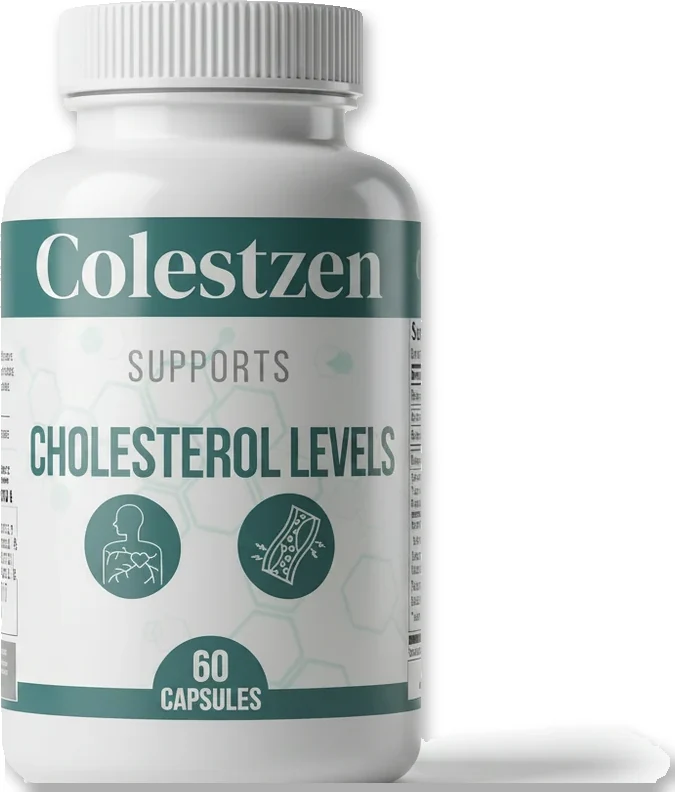
See how ColestZen approaches cholesterol support
A blend of plant botanicals in one daily capsule, each listed with its amount — a straightforward reference point when you are comparing cholesterol-lowering supplements.
Check Availability & Offer