Best Cholesterol-Lowering Pills in 2026
Quick Answer: What Are the Best Cholesterol-Lowering Supplements in 2026?
The best cholesterol-lowering pill in 2026 is the one with real dose-response trials behind it. Citrus bergamot and standardised red yeast rice lead on LDL, while plant sterols and psyllium fibre add smaller, steady reductions. A well-documented blended formula can cover several pathways in one capsule. Choose one to support your plan, not replace a statin, and check with your doctor first.
- Top single actives: citrus bergamot (LDL −23% to −38.6%) and red yeast rice (LDL −15% to −25%).
- Reliable add-ons: plant sterols and stanols (≈2 g/day cuts absorption) and psyllium soluble fibre.
- Honest limit: statins cut LDL 30–50%; supplements 5–25%. Support, don't replace.
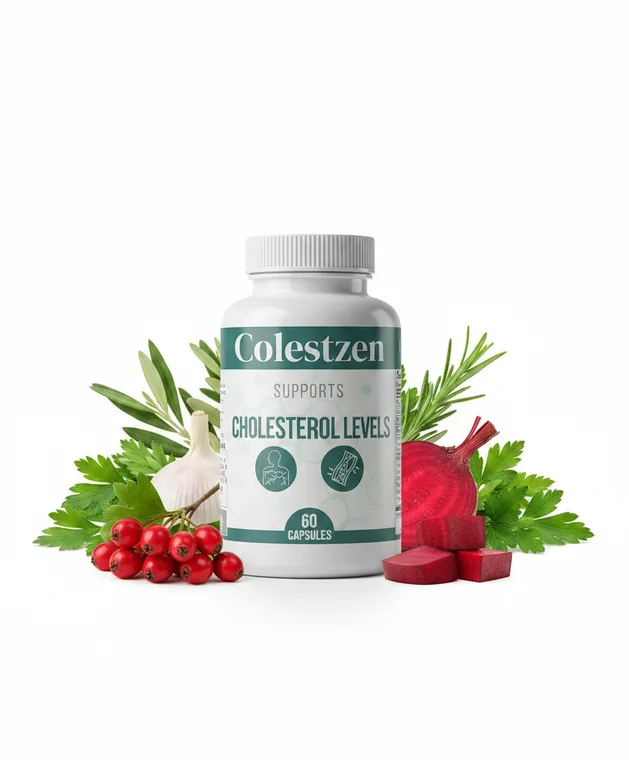
If you are hunting for a cholesterol lowering pill that actually does something in 2026, the good news is that a short list of ingredients has earned its place through controlled trials. The bad news is that most of the bottles fighting for your attention are riding on hope, under-dosed actives and confident front-of-pack claims. This ranking cuts through that. We line up the cholesterol-lowering supplements that survive scrutiny, attach the real LDL numbers to each one, compare them on price per active, and show you exactly where a blended botanical formula like ColestZen belongs in the picture. The dose-response for that effect is mapped across 124 studies in Ras RT, et al. Br J Nutr, 2014.
Before the list, one honest framing the rest of this guide depends on. A supplement is a support tool, not a substitute for a prescription. But if you have borderline cholesterol, cannot tolerate a statin, or simply want an evidence-based step alongside your diet, the right cholesterol-lowering supplement can be a sensible, low-cost move — provided you buy the mechanism and not the mood.
How we ranked the cholesterol-lowering pills for 2026
Rankings in this category are usually decided by who paid for placement. Ours are decided by three plain questions. First, is there a properly designed human trial showing a meaningful LDL reduction, ideally with a dose-response curve rather than a single hopeful study? Second, does the effect come from a known mechanism — a molecule or a fibre that we can point to — rather than a vague antioxidant story? Third, can a normal shopper actually buy the studied dose at a sane price, with a label honest enough to prove the active is present? For a formal ordering of the category, Osadnik T, et al. A network meta-analysis on the comparative effect of nutraceuticals on lipid profile in adults. Pharmacol Res, 2022 ranks nutraceuticals against one another rather than each against placebo.
Run those three filters and the field thins fast. Dozens of popular ingredients drop out because the evidence is thin, the dose in the bottle is a fraction of the studied amount, or the label refuses to state the number that matters. What survives is a shortlist of five, ranked below from the strongest single active to the most convenient blended approach.
The best cholesterol-lowering supplements for 2026, ranked
1. Citrus bergamot — the strongest LDL number on the shelf
Citrus bergamot has quietly become the standout cholesterol lowering pill of the last few years, and 2026 has not dethroned it. A three-month double-blind trial found that 500 mg per day lowered LDL by about 23 percent, while 1,000 mg per day lowered it by an impressive 38.6 percent — a genuine dose-response signal rather than a fluke. A 2024 trial reported total cholesterol falling by roughly 63.6 mg/dL and triglycerides by about 74.7 mg/dL. Crucially, bergamot works through polyphenol flavonoids, not a statin-like molecule, so it does not carry the muscle-pain signal that follows statins and red yeast rice. If you want the deeper mechanism and dosing detail, our full breakdown of the citrus bergamot supplement dose-response for cholesterol is the place to go.
2. Red yeast rice — the statin-adjacent heavyweight
Red yeast rice is fermented rice cultured with Monascus purpureus, which naturally produces monacolin K, a compound chemically almost identical to the prescription statin lovastatin. In trials using standardised material at 1,200 to 2,400 mg per day, LDL typically falls by 15 to 25 percent. That is a real, statin-adjacent effect, and it drops to second place only because it comes with statin-adjacent cautions: it can stack dangerously with a prescribed statin, and product quality swings wildly between brands because monacolin content is rarely standardised. Read the risks in full in our guide to red yeast rice versus citrus bergamot for cholesterol before you buy.
3. Plant sterols and stanols — the quiet, reliable option
Plant sterols and stanols are the least glamorous entry and one of the best documented. At around 2 grams per day they block a portion of dietary cholesterol from being absorbed in the gut, typically trimming LDL by 7 to 12 percent. They shine as an add-on because the mechanism is completely different from bergamot or red yeast rice, so the effects can stack. The catch is dose: you need a real 2 grams, which is why fortified foods and dedicated supplements outperform the token amounts sprinkled into multivitamins.
4. Psyllium and soluble fibre — the cheapest proven lever
Psyllium husk is the value pick. Soluble fibre binds bile acids in the gut, forcing the body to pull cholesterol from the blood to make more, which nudges LDL down modestly but reliably at a real dose of around 5 to 10 grams a day. It will not produce a bergamot-sized number, but it is inexpensive, has a strong safety record, and delivers benefits beyond cholesterol. For many people it is the sensible foundation the fancier pills sit on top of.
5. Blended botanical formulas — where ColestZen fits
Single-ingredient shopping has a hidden cost: you can end up with four or five bottles that each solve a sliver of the problem. Blended formulas try to cover several pathways in one daily capsule. ColestZen takes that route, combining nine plant botanicals — including cinnamon, mulberry, banaba and gymnema — studied for cholesterol, metabolic and circulatory balance, with each ingredient and its amount printed on the panel. It ranks here not because it out-doses a dedicated bergamot extract, but because it is convenient, transparent about its amounts, and backed by a 60-day money-back guarantee that lowers the cost of trying it. Our full ColestZen reviews and ingredient breakdown weighs whether that trade-off is worth it.
How the best cholesterol-lowering supplements compare
| Supplement | Typical effect on LDL | Studied daily dose | Price-per-active note |
|---|---|---|---|
| Citrus bergamot | −23% to −38.6% | 500–1,000 mg standardised | Pay for standardised polyphenols, not raw fruit weight |
| Red yeast rice | −15% to −25% | 1,200–2,400 mg | Value depends on monacolin K content, rarely stated |
| Plant sterols & stanols | −7% to −12% | ~2 g | Cheap per gram; token doses in multis are useless |
| Psyllium / soluble fibre | Modest but reliable | 5–10 g | Lowest cost per serving of any option here |
| ColestZen (9-botanical blend) | Support across several pathways | One daily capsule | One bottle vs several; guarantee offsets trial cost |
| Prescription statin (reference) | −30% to −50% | Per prescription | Outcome data no supplement can match |
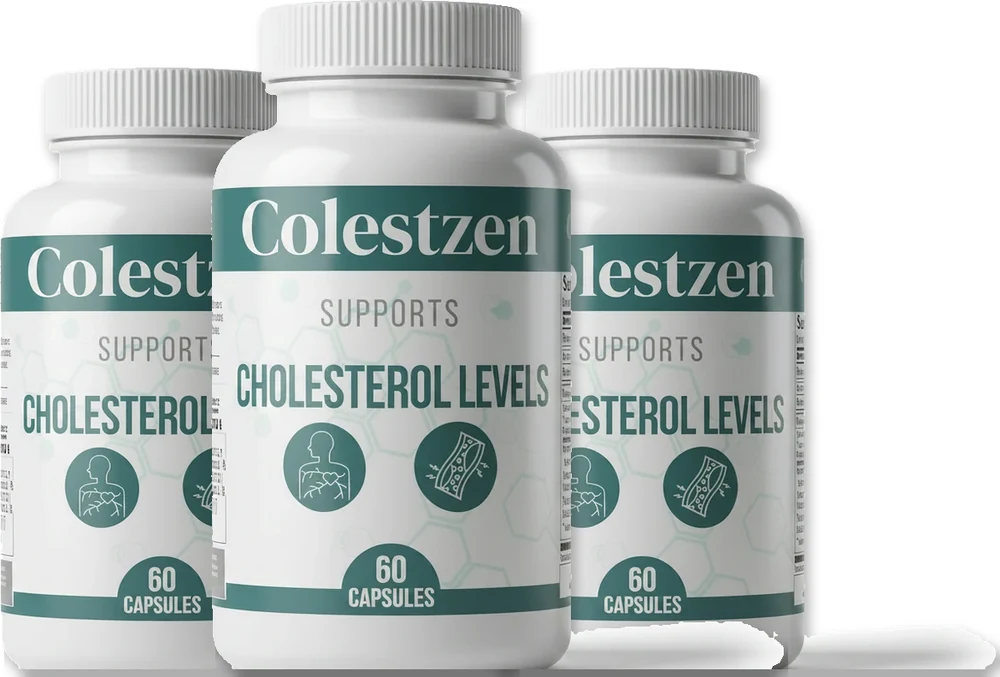
Want to see a full nine-botanical panel before you compare prices?
If you would rather weigh a transparent blended formula against buying four single actives separately, start with the label and the current guarantee.
See the Official ColestZen OfferDo cholesterol-lowering pills work as well as statins?
This is the objection that matters most, so let us answer it straight. No, a cholesterol lowering pill from the supplement aisle does not work as well as a statin. Statins typically cut LDL by 30 to 50 percent and, more importantly, have decades of large outcome trials showing they reduce actual cardiovascular events, not merely a lab number. Supplements move LDL by roughly 5 to 25 percent and are measured almost entirely on the number, with little long-term outcome data. Any brand that implies otherwise is selling you a story.
That honest gap is exactly why supplements still have a place. Not everyone can take a statin: some people experience muscle aches, some have contraindications, and some simply refuse. For those people, and for anyone with borderline numbers who wants an evidence-based first step, a well-chosen supplement is a reasonable move. The framing to hold onto is support, not replacement — and for people who have already decided against a prescription, our guide to how to lower cholesterol naturally without statins lays out the full toolkit.
Price per active: the number the front label hides
Here is where most cholesterol-lowering supplements quietly fail their buyers. The milligrams printed in big type on the front tell you the weight of raw material, not the amount of active compound. For red yeast rice the figure that matters is monacolin content; for bergamot it is the standardised polyphenol fraction; for sterols it is the gram total. A bottle boasting 1,000 mg of raw bergamot fruit is not the same as 1,000 mg of a standardised 38 percent polyphenol extract, and it may cost the same.
So compare price per active, not per bottle. Divide price by servings, then check whether each serving delivers the studied dose of the compound that does the work. A cheap bottle that under-doses is the most expensive thing on the shelf, because it produces nothing. This is where blended formulas shine or fall down: the good ones print every amount so you can run the maths, and the bad ones bury a pinch of everything behind a proprietary blend.
Three objections worth clearing up before you buy
Objection one: "natural means it can replace my medication." No supplement has the outcome data statins have accumulated. Red yeast rice comes closest precisely because it contains a statin-like molecule, which is also why it carries similar risks. Supplements are best framed as support for borderline numbers, or an adjunct chosen with a doctor, never a silent swap for a prescription.
Objection two: "a bigger number on the front means a stronger product." As we just covered, front-of-pack milligrams measure raw material, not active compound. A product that hides the number it should be proudest of — the standardised active — is asking you to trust it blind. Walk past it.
Objection three: "if it is sold over the counter, it must be tested and safe." Supplements are regulated as food, not medicine, so potency and purity are the manufacturer's responsibility, not a regulator's guarantee. Third-party testing and a transparent label are worth paying for, and they are the single best signal that a brand is serious.
The honest 2026 shortlist is short: two ingredients with real dose-response data, two reliable add-ons, one convenient blend, and a long tail of pills that sell well because hope is a powerful motivator.
Where ColestZen fits in a 2026 cholesterol plan
ColestZen is not trying to be a statin, and it does not pretend to out-dose a dedicated bergamot extract. What it offers is coverage and convenience: nine botanicals aimed at cholesterol, metabolic and circulatory balance in a single daily capsule, each listed with its amount so you can check the actives are present in meaningful quantities rather than as fairy dust. For someone who would otherwise juggle a fibre, a sterol and a botanical from three different bottles, a transparent blend is a genuinely reasonable simplification.
The other practical point is risk. A 60-day money-back guarantee changes the maths of trying something, because it caps your downside to time rather than money. That is not proof the product works — only your own follow-up bloodwork can tell you that — but it is a fairer deal than the no-refund bottles that dominate this category. Read the panel, check the doses against the trials above, run your shortlist past your doctor, and treat the guarantee as what it is: a lower-risk way to test whether a blended approach suits you.
Medical note: this article is general information, not medical advice. Speak to a healthcare professional before starting any supplement, especially if you are pregnant, nursing, taking a statin or other medication, or managing diagnosed high cholesterol — and never stop a prescribed medicine on your own.
Frequently asked questions
What is the most effective cholesterol-lowering supplement?
On current evidence, citrus bergamot and standardised red yeast rice lead the field. Bergamot has lowered LDL by 23% to 38.6% in dose-response trials, and red yeast rice by roughly 15% to 25% because it contains monacolin K. Plant sterols and psyllium fibre add smaller, well-documented reductions. The most effective choice for you depends on your starting numbers, the dose on the label, and what your doctor advises, so there is no single winner for everyone.
Do cholesterol pills work as well as statins?
No, and any honest guide will say so. Statins typically lower LDL by 30% to 50% and have decades of outcome data showing fewer cardiovascular events. Supplements usually move LDL by about 5% to 25% and are measured mostly on the lab number, not long-term outcomes. That does not make them worthless. It makes them a support option, best suited to people with borderline numbers or those who cannot or will not take a statin, always chosen with a doctor.
Is ColestZen a good cholesterol supplement?
ColestZen is a blended formula of nine plant botanicals aimed at cholesterol, metabolic and circulatory balance, with each ingredient and amount printed on the panel. Its strength is transparency and a single daily capsule instead of five separate bottles, plus a money-back guarantee that lowers the cost of trying it. Its limit is the same as any supplement: it is nutritional support, not a treatment, and it has not been trialled head-to-head against a statin. Read the panel and speak to your doctor before deciding.
Are over-the-counter cholesterol supplements safe?
For most healthy adults the popular botanicals are well tolerated, but safe is not the same as risk-free. Supplements are regulated as food, so potency and purity vary between brands, and a few carry real cautions, such as red yeast rice stacking with a statin. Third-party testing, an honest label that states the active content, and a conversation with your doctor are the sensible minimum before you start.
Which cholesterol pills have the best trial results?
Citrus bergamot and standardised red yeast rice show the strongest LDL results in the trials discussed here, with plant sterols and psyllium adding smaller reductions.
Scientific references
- Pierdomenico M, et al. Effect of Citrus bergamia extract on lipid profile: a combined in vitro and human study. Phytother Res, 2023 (PMID 37312672)
- NIH NCCIH — Red Yeast Rice
- NIH Office of Dietary Supplements — fact sheet library
- American Heart Association — Cholesterol
- Harvard T.H. Chan School of Public Health — Nutrition Source
- Mayo Clinic — Cholesterol-lowering supplements and lifestyle
Related reading
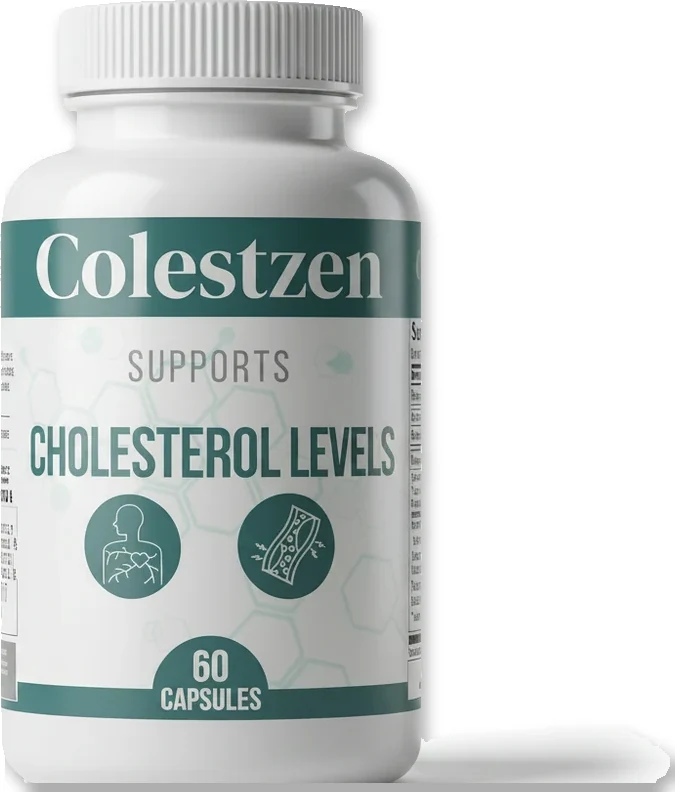
Compare ColestZen against your 2026 shortlist
Nine plant botanicals in one daily capsule, every amount listed, backed by a 60-day money-back guarantee — a straightforward reference point as you rank cholesterol-lowering supplements.
Check Availability & Offer