Red Yeast Rice vs Citrus Bergamot for LDL
Quick Answer: Red Yeast Rice vs Bergamot — Which Lowers LDL More?
In the red yeast rice vs bergamot debate, both cut LDL meaningfully but by different routes. Red yeast rice lowers LDL roughly 15–25% because it contains a statin-identical compound, monacolin K. Citrus bergamot has shown LDL drops of about 23% to nearly 39% with no muscle-pain signal, making it the gentler option for most people.
- Efficacy: bergamot often matches or beats red yeast rice on percentage LDL reduction.
- Safety: red yeast rice carries statin-like risks; bergamot has the cleaner record.
- Smarter play: a blend of complementary botanicals usually beats mega-dosing either one alone.
If you have started reading labels in the cholesterol aisle, two names keep surfacing: red yeast rice and citrus bergamot. They dominate the "natural LDL" conversation, they are frequently pitched as rivals, and they are just different enough that picking blindly is a mistake. One behaves almost like a prescription drug in disguise. The other is a fruit extract with a surprisingly strong evidence base and a much gentler risk profile. Understanding that split is the whole game.
This is a decision-stage comparison, not a hype piece. We will put the two side by side on the three things that actually matter — how much they lower LDL, how safe they are, and who each one suits — and then explain why the most sensible products do not force you to choose at all.
Red yeast rice vs bergamot: two very different botanicals
The first thing to understand about the red yeast rice vs bergamot question is that you are not comparing two mild herbs. You are comparing a near-pharmaceutical against a genuine botanical.
Red yeast rice is white rice fermented with the mould Monascus purpureus. During fermentation it produces a family of compounds called monacolins, and one of them — monacolin K — is chemically identical to lovastatin, an early prescription statin. That is not a coincidence or a marketing flourish; it is the same molecule. So red yeast rice lowers LDL through exactly the mechanism a statin does: it inhibits HMG-CoA reductase, the enzyme your liver uses to make cholesterol. When people say red yeast rice "works," what they mean is that it contains a low, variable dose of a real statin.
Citrus bergamot comes from the juice and peel of Citrus bergamia, a sour Mediterranean citrus grown mainly in southern Italy. Its active fraction is a group of polyphenols — brutieridin and melitidin among them — that appear to nudge cholesterol handling through several softer levers at once, including a mild effect on the same HMG-CoA pathway plus improvements in how the body processes sugars and fats. Crucially, it is not a statin and does not carry a statin's signature muscle risk. If you want the full picture on the fruit itself, our companion guide to the citrus bergamot supplement for cholesterol walks through the polyphenol chemistry and the trial doses in detail.
How much does each lower LDL?
This is where the marketing and the data start to diverge. Red yeast rice is usually described as lowering LDL by about 15 to 25 percent. That range is real, but it is entirely dependent on how much monacolin K a given batch actually contains — and because these are fermented products, the amount swings wildly from brand to brand and even bottle to bottle. Two capsules with the same "600 mg red yeast rice" on the front can deliver very different active doses.
Citrus bergamot has, in several human trials, produced LDL reductions in the range of roughly 23 percent up to nearly 39 percent. Those are eye-catching numbers, and the honest caveat is that many bergamot studies are smaller and shorter than the vast statin literature, so the top of that range should be read as promising rather than guaranteed. Still, a 2022 network meta-analysis that ranked plant-based cholesterol options landed both red yeast rice and bergamot among the more effective botanicals available — which is exactly why they keep getting pitted against each other.
Red yeast rice vs bergamot, side by side
| Factor | Red yeast rice | Citrus bergamot |
|---|---|---|
| Typical LDL reduction | ~15–25% | ~23% to ~38.6% in trials |
| How it works | Monacolin K inhibits HMG-CoA reductase (statin-identical) | Polyphenols act on lipids, HMG-CoA and glucose handling |
| Muscle-pain (myopathy) risk | Present — same class effect as statins | No myopathy signal reported in trials |
| Liver enzyme concerns | Possible; monitoring advised | Not a recognised concern at studied doses |
| Contamination worry | Citrinin (kidney-toxic mould byproduct) in poorly controlled batches | Not associated with citrinin |
| Dose consistency | Highly variable — fermentation-dependent | More consistent when standardised to polyphenols |
| Best described as | A low, unregulated dose of a statin | A genuine botanical with statin-adjacent benefits |
Read that table and one thing jumps out: bergamot roughly matches or beats red yeast rice on the number people care about — percentage LDL drop — while carrying far less baggage. That does not make red yeast rice useless. It makes it a more powerful tool that demands more caution.
Want a formula that doesn't gamble on one ingredient?
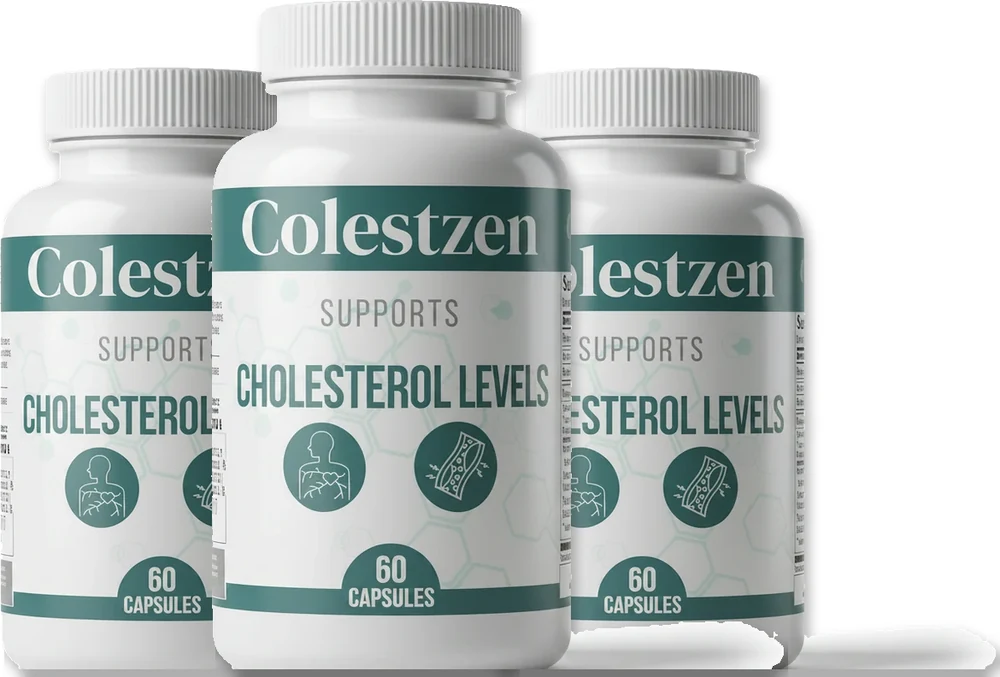
Instead of mega-dosing a single statin-like botanical, ColestZen combines complementary plant actives for cholesterol, metabolic and circulatory balance — every ingredient and amount laid out so you can judge it for yourself.
See the Official ColestZen OfferSafety and side effects: where they part ways
If efficacy is close, safety is where the two genuinely separate, and it is the reason a careful shopper should not treat them as equals.
Because red yeast rice contains a statin-identical molecule, it inherits the statin side-effect list. That means the possibility of muscle aches or weakness (myopathy), and in rare cases the more serious muscle breakdown that statins can trigger. It can also raise liver enzymes, which is why anyone taking it seriously should have liver function checked the way they would on a prescription statin. Then there is a problem statins do not have: citrinin, a nephrotoxic (kidney-damaging) byproduct that the same Monascus mould can produce when fermentation is poorly controlled. Reputable products test for it; bargain-bin products may not, and you usually cannot tell from the label.
There is a regulatory wrinkle worth knowing, too. Because monacolin K is legally a drug, the amount that can be sold in a supplement is restricted in many markets, and some products are deliberately kept below a meaningful dose to stay compliant — meaning you may be buying the risk of a fermented product with little of the benefit. It cuts both ways.
Citrus bergamot's safety story is quieter, which in supplements is a compliment. Across the trials, it has not produced the myopathy signal that defines statins and red yeast rice, and it is generally well tolerated at the doses used. That is precisely why cautious formulators — the ones who would rather not hand you a covert statin — tend to build around bergamot and other gentle botanicals. None of this means bergamot is risk-free for everyone; anyone on medication or with a health condition should still check first. But on a straight side-effect comparison, bergamot is the lower-drama choice.
Red yeast rice is not a "gentle herbal alternative" to a statin. It is a statin — one sold without the dose control, purity testing or medical monitoring that come with the prescription version.
Can you take red yeast rice and bergamot together?
Plenty of products do combine them, and on paper it is a logical pairing: they lower LDL through overlapping but not identical pathways, so you might expect additive benefit. The catch is entirely on the red yeast rice side. Because it acts like a statin, stacking it on top of an actual prescribed statin, or combining it with certain other drugs (some antifungals, certain antibiotics, and others that affect the same liver enzymes), can push the muscle- and liver-risk higher. Bergamot does not add that particular hazard, but red yeast rice brings enough of its own that any combination product containing it deserves a conversation with your doctor before you start.
This is the quiet argument for a different design philosophy altogether: rather than doubling up on the single riskiest ingredient, spread the work across several gentler actives that each contribute a modest, well-tolerated push.
Who each one suits
Red yeast rice makes the most sense for someone who wants a statin-strength effect, cannot or will not take a prescription statin, and is willing to treat the supplement with the same seriousness — buying a third-party-tested, citrinin-screened product and getting liver enzymes and muscle symptoms monitored by a clinician. It is the wrong choice for anyone already on a statin, anyone with liver concerns, and anyone hoping for a "natural, worry-free" option, because that is not what it is.
Citrus bergamot suits the far larger group who want a meaningful, evidence-backed nudge to LDL without adopting a drug's risk profile — people early in their cholesterol journey, people who had muscle trouble on statins, and people building a daily maintenance routine rather than chasing a maximum number. If you are still mapping the whole landscape, our overview of cholesterol-lowering supplements that actually work ranks these two against fibre, plant sterols and the rest.
How to read a red yeast rice or bergamot label
Whichever side of the red yeast rice vs bergamot question you lean toward, the label is where good intentions meet reality — and both ingredients hide their most important information in different places.
For red yeast rice, the number on the front (“600 mg”, say) tells you almost nothing, because what matters is the monacolin K content, and fermentation makes that wildly inconsistent. Reputable products either standardise it or, because of the drug-regulation issue, deliberately keep it low. Two things are non-negotiable: look for explicit third-party testing, and look for a statement that the product is screened for citrinin. If a red yeast rice label mentions neither, treat it as an unknown dose of a statin with an unknown contaminant risk — which is not a purchase, it is a gamble.
For citrus bergamot, the useful signal is standardisation to its active polyphenols (sometimes expressed as a flavonoid percentage) rather than a raw milligram count of “bergamot fruit.” A standardised extract is what the trials used; an unstandardised powder may contain very little of the fraction that does the work. In both cases, be wary of proprietary blends that lump the ingredient in with a dozen others and never disclose how much of each you are actually getting — a disclosed amount is the difference between an evidence-based dose and a sprinkle for the label.
Why a combined botanical blend can beat mega-dosing one ingredient
Here is the reframe that resolves the whole red yeast rice vs bergamot argument. The question "which single ingredient should I mega-dose?" is the wrong question. Cholesterol is not one dial; it is several — LDL particle number, triglycerides, how your body handles glucose, oxidation of the particles once they are in circulation. Pushing one compound to a high dose to move one dial is how you accumulate side effects while ignoring the others.
A better-built formula spreads the effort. That is the logic behind ColestZen's approach: rather than betting everything on a statin-like ingredient, it pairs complementary botanicals — cinnamon, mulberry leaf, banaba, gymnema and others — that each act on cholesterol, metabolic and circulatory balance in a slightly different way, at sensible amounts that are printed on the label rather than buried in a proprietary blend. You are not relying on one high-risk lever; you are stacking several low-risk ones. You can see exactly how that is assembled, ingredient by ingredient, on the nine-botanical ColestZen formula page, and read our full breakdown in the ColestZen reviews and ingredients analysis.
None of this is a promise of a specific number. Supplements support a healthy routine; they do not replace one, and they are not medicine. But if the choice is between mega-dosing a covert statin, mega-dosing a single fruit extract, or combining several well-tolerated actives at honest doses, the last option is the one that respects both the biology and your risk tolerance.
Medical note: this article is general information, not medical advice. Red yeast rice acts like a statin — do not combine it with a prescribed statin or start it without medical guidance. Speak to a healthcare professional before starting any supplement, especially if you are pregnant, nursing, taking medication, or managing high cholesterol, and never stop a prescribed medicine on your own.
Related reading
Frequently asked questions
Is red yeast rice or bergamot better for cholesterol?
Neither wins outright. Red yeast rice lowers LDL by roughly 15 to 25 percent because it contains monacolin K, a molecule chemically identical to the statin lovastatin. Citrus bergamot has lowered LDL by around 23 to nearly 39 percent in trials, works through different pathways, and carries no myopathy signal. Bergamot tends to be the gentler choice, while red yeast rice acts more like a low-dose statin.
Can I take red yeast rice and bergamot together?
They are often combined in formulas because they act on cholesterol through different mechanisms. The important caution is that red yeast rice behaves like a low-dose statin, so stacking it with an actual statin, or taking it with certain medications, raises the risk of muscle and liver problems. Always clear any red yeast rice product with your doctor first, especially if you already take a statin.
Which has fewer side effects, bergamot or red yeast rice?
Bergamot has the cleaner safety record. Because red yeast rice contains a statin-identical compound, it can cause the same muscle aches and raised liver enzymes as prescription statins, and unstandardised products may carry the kidney-toxic contaminant citrinin. Bergamot has shown no myopathy signal in trials and is generally well tolerated, which is why cautious formulators lean on it more heavily.
Do supplements that combine both work better?
Combining complementary actives at sensible doses is usually smarter than mega-dosing a single ingredient, because you spread the work across different pathways and avoid pushing any one compound to a risky level. A well-built blend targets cholesterol, metabolic and circulatory balance together. What matters is that the amounts are disclosed on the label and each ingredient is there for a reason, not for show.
Scientific references
Skip the either/or — see the combined approach
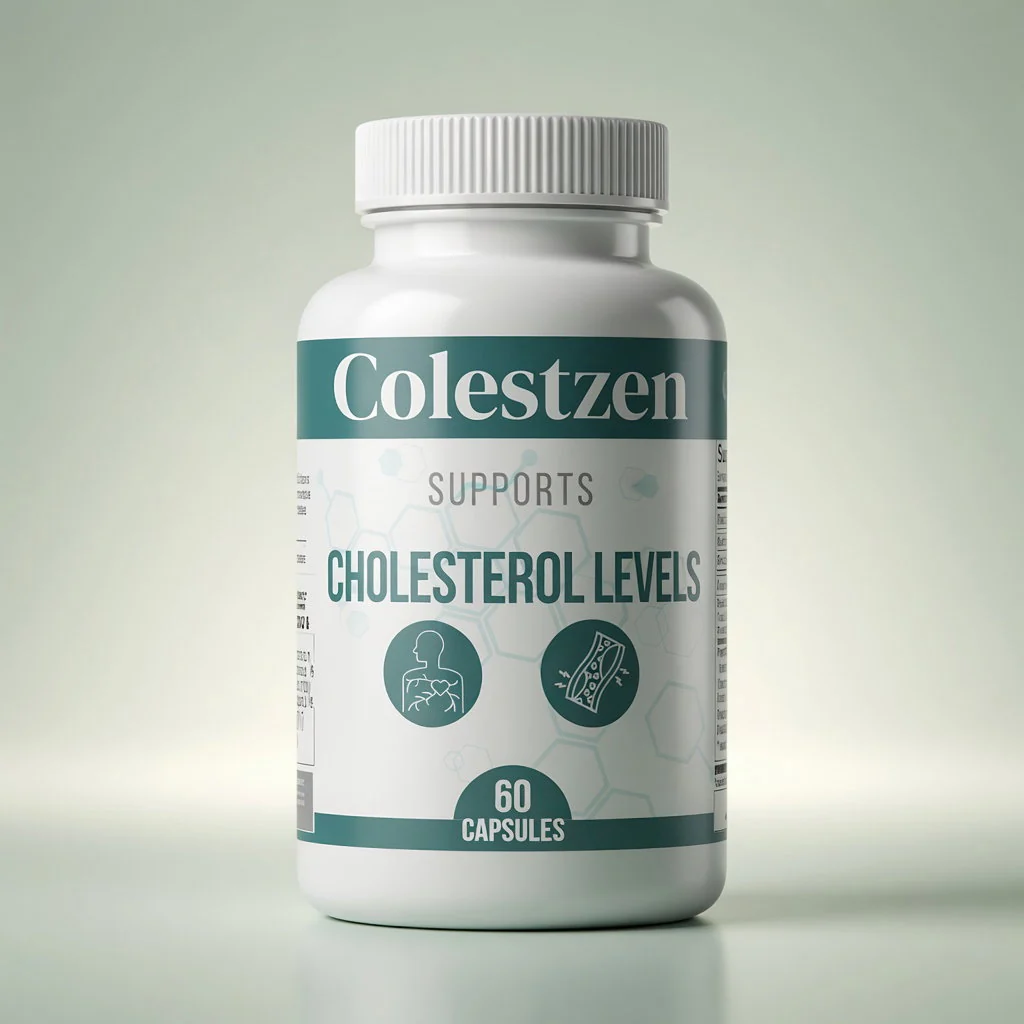
Nine plant botanicals in one daily capsule, each at a disclosed amount, built to work together rather than mega-dose a single statin-like ingredient.
Check Availability & Offer