Red Yeast Rice for Cholesterol: Benefits, Risks
Quick Answer: Does Red Yeast Rice Lower Cholesterol?
Red yeast rice lowers LDL cholesterol because it naturally contains monacolin K, a compound chemically almost identical to the statin lovastatin. Standardised doses of 1,200 to 2,400 mg a day have cut LDL by about 15 to 25 percent in trials, but quality varies wildly between brands, and the same statin-like side effects can appear, so medical guidance genuinely matters.
- How it works: monacolin K acts like a mild statin, slowing the body's cholesterol production.
- Typical dose: 1,200–2,400 mg/day of standardised material; LDL down roughly 15–25%.
- Watch for: citrinin contamination, muscle or liver effects, and never stacking it on a statin unsupervised.
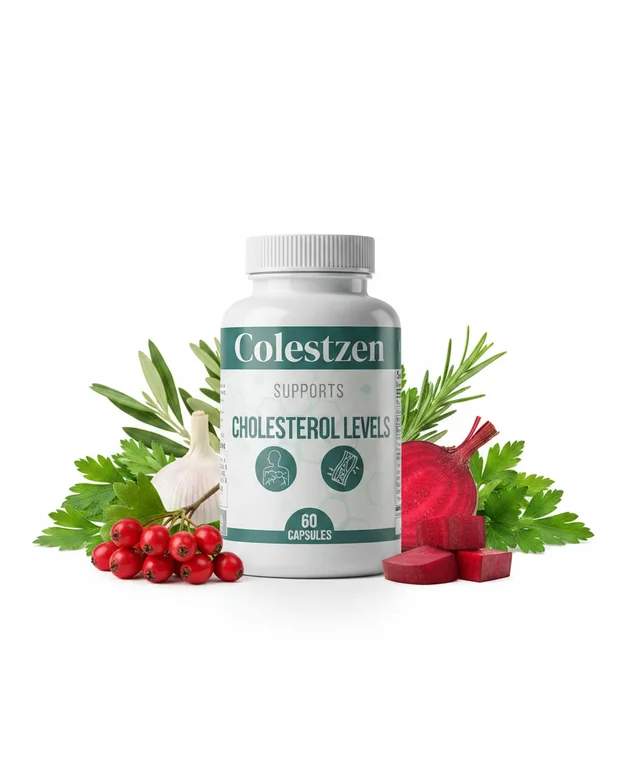
Red yeast rice for cholesterol is the most-searched botanical in the whole category, and for a genuinely good reason: it is the one traditional remedy that contains a compound the body treats like a statin. That is also why it is the one you have to be most careful with. This guide walks through how it works, the dose that has actually lowered LDL in trials, and the real safety caveats — from muscle pain to citrinin contamination — that the glossier product pages tend to skip. It is a shopping and safety briefing, not a prescription, and it never claims to treat or cure a thing.
If you have already read our wider roundup of which cholesterol-lowering supplements actually work, you will know red yeast rice sits at the top of the evidence pile. Here we go deeper on the single ingredient.
How red yeast rice for cholesterol actually works
Red yeast rice is white rice fermented with a mould called Monascus purpureus. During fermentation the mould produces a family of compounds called monacolins, the most important of which is monacolin K. Chemically, monacolin K is essentially the same molecule as lovastatin, one of the first prescription statins. It works the same way too: it gently inhibits HMG-CoA reductase, the enzyme your liver uses to manufacture cholesterol. Slow that enzyme down and the liver pulls more LDL out of the blood to compensate, so circulating LDL falls.
This is the crucial thing to understand about red yeast rice: its benefit is not some vague “natural wellness” effect. It is a low, variable dose of a statin, delivered inside a fermented food. That single fact explains both why it works and why it carries risks that gentler botanicals like bergamot do not. Everything else about the ingredient flows from it.
In controlled studies using standardised material, LDL reductions of roughly 15 to 25 percent are typical — a meaningful shift, and the reason red yeast rice has held its place in the research for decades. Some trials have also reported modest improvements in total cholesterol and triglycerides. But the size of the effect tracks directly with the monacolin K content, and that is where products diverge dramatically.
How much red yeast rice should you take?
The trials that produced those LDL reductions generally used 1,200 to 2,400 mg of red yeast rice per day, usually split into two doses taken with food. Within that range, the outcome depends far more on the standardised monacolin K content than on the raw milligrams printed on the front of the bottle. Two products can both say “1,200 mg” and deliver wildly different amounts of the active compound, because fermentation conditions and strain make an enormous difference.
This is exactly why the 2023 supplements-versus-statin trial found its red yeast rice arm underperforming: the product it used was low in monacolin K. It is a perfect illustration of the category's central problem — the label weight tells you almost nothing, and the number that matters is often the one manufacturers are least eager to print, partly because regulators in some regions cap or scrutinise monacolin content directly.
What separates a good red yeast rice product from a poor one
| Quality factor | Why it matters | What to look for |
|---|---|---|
| Standardised monacolin K | It is the active compound; raw mg is not | A stated, tested monacolin figure — not just “1,200 mg RYR” |
| Citrinin testing | Citrinin is a kidney-toxic fermentation by-product | “Citrinin-free” or a stated limit, ideally third-party verified |
| Third-party testing | Potency and purity are the maker's responsibility | An independent lab seal or certificate of analysis |
| Manufacturing standard | Consistency batch to batch | GMP-certified facility |
| Honest positioning | Overclaiming signals a marketing-first brand | “Supports healthy cholesterol,” not “cures” |
Want a formula that lists its amounts up front?
If transparency is the deciding factor for you, the fairest first step is to read the full ingredient panel and the amount behind each botanical.
See the Official ColestZen OfferThe risks: side effects, citrinin and the statin overlap
Because monacolin K is a statin in all but name, red yeast rice can cause the same adverse effects as a statin. The most common is muscle pain or weakness; more rarely, liver enzymes can rise. These effects are usually dose-related and reversible on stopping, but they are real, and they are the reason nobody should treat red yeast rice as a casual, consequence-free purchase. If you have ever had statin-related muscle problems, that history applies here too.
Then there is citrinin. Under the wrong fermentation conditions, Monascus can also produce citrinin, a mycotoxin that is toxic to the kidneys. Because red yeast rice supplements are made from a live fermentation, contamination is a genuine risk in unregulated products, and independent testing has repeatedly found citrinin in market samples. A reputable product tests for it and says so; a cheap one may not test at all.
Headache and digestive upset round out the commonly reported effects. And as with any statin-like agent, there are interactions to respect — grapefruit, certain antibiotics and antifungals, and other cholesterol drugs can all change how the compound is handled.
Red yeast rice is the one supplement in this category that behaves like a medicine. That is precisely why it deserves a medicine's level of caution, not a health-food shrug.
Is red yeast rice as good as a statin?
It works through the same enzyme, so a well-made product can lower LDL to a meaningful degree. What it lacks is the mountain of long-term outcome data that prescription statins have built — the trials showing reduced heart attacks and strokes, not just improved lab numbers. It also lacks a statin's dose consistency, because you are relying on a fermentation rather than a precisely measured tablet. For those two reasons, the sensible framing is “support for borderline numbers, chosen with a doctor,” rather than “a natural swap for my prescription.”
And the one thing you must never do is combine red yeast rice with a prescribed statin on your own initiative. That stacks two doses of the same mechanism and multiplies the muscle and liver risk. Anyone on a statin who is curious about red yeast rice should raise it with their doctor first — full stop. Some people on statins instead add CoQ10 to support against muscle symptoms; our guide to CoQ10 dose, forms and absorption explains where that fits.
How ColestZen standardises its blend
The recurring theme of this article is that quality and standardisation decide whether a cholesterol supplement does anything at all. That is the logic behind a formula like ColestZen, which combines several plant botanicals studied for cholesterol, metabolic and circulatory balance and prints each ingredient with its amount on the label. Rather than betting everything on a single fermented ingredient, a blend spreads across complementary pathways, and the transparent panel lets you check the actives are present in sensible amounts. It is positioned as everyday nutritional support that sits alongside diet, exercise and any medication you take — not as a statin substitute, and not as a treatment for any condition.
Whether you prefer a single standardised red yeast rice extract or a broader blend, the buying discipline is identical: demand a stated active content, look for third-party testing, and be wary of any brand unwilling to show its numbers. If you would like to see how one strong single ingredient stacks up against a gentler alternative, our comparison of red yeast rice versus citrus bergamot for cholesterol lays the two side by side.
Who red yeast rice may suit — and who should avoid it
Because red yeast rice behaves like a low-dose statin, the sensible way to think about it is the same way a clinician thinks about who a mild statin might help. It tends to appeal to people with borderline or mildly elevated LDL who want a nudge and are comfortable with the statin-like trade-off, chosen and monitored with a doctor. For that group, a well-standardised, citrinin-tested product can be a reasonable option alongside diet and exercise.
The list of people who should be cautious or steer clear is just as important. Anyone already taking a prescription statin should not add red yeast rice without medical sign-off, because the two stack the same mechanism. People with existing liver disease, those who drink heavily, and anyone with a history of statin-related muscle problems have real reasons to be wary. It is not recommended during pregnancy or breastfeeding, and it can interact with grapefruit, certain antibiotics and antifungals, and other lipid drugs. If any of those describe you, a gentler polyphenol option such as a standardised citrus bergamot supplement may be the more comfortable starting point — again, with your doctor's input rather than instead of it.
Medical note: this article is general information, not medical advice. Red yeast rice acts like a low-dose statin, so speak to a healthcare professional before starting it, particularly if you are pregnant, nursing, have liver or kidney concerns, or take any medication — and never combine it with a prescribed statin or stop a medicine on your own.
Frequently asked questions
How much red yeast rice should I take for cholesterol?
Trials that lowered LDL used standardised red yeast rice at about 1,200 to 2,400 mg per day, usually split into two doses with food. That range cut LDL by roughly 15 to 25 percent. Because monacolin K content varies enormously between brands, the milligrams on the front matter far less than the standardised monacolin figure, and a doctor should confirm the dose is right for you.
What are the side effects of red yeast rice?
Because monacolin K is chemically close to the statin lovastatin, red yeast rice can cause the same kinds of effects: muscle aches, and in rarer cases raised liver enzymes. Poorly made products may also be contaminated with citrinin, a kidney-toxic mould by-product. Headache and digestive upset are reported too. Anyone with liver concerns or on other medication should check with a doctor first.
Is red yeast rice as good as a statin?
It works through the same mechanism at a lower, more variable dose, so a good product can meaningfully lower LDL, but it does not carry the decades of outcome data that prescription statins have. It should be seen as support for borderline numbers, not a like-for-like replacement, and never combined with a statin unless a doctor has said so.
Can you take red yeast rice with other cholesterol supplements?
Often yes, but it depends on the pairing. Combining it with citrus bergamot or plant sterols targets different pathways and is common, whereas stacking it on a prescription statin doubles the same mechanism and is risky. CoQ10 is frequently added to offset the muscle-related effects. Run any combination past your doctor, especially if you take other medicines.
Scientific references
Related reading
See how ColestZen approaches cholesterol support
A transparent blend of plant botanicals in one daily capsule, each listed with its amount — a clear reference point if you are weighing red yeast rice against a broader formula.
Check Availability & Offer