Citrus Bergamot Supplement for Cholesterol
Quick Answer: How Does a Citrus Bergamot Supplement Lower Cholesterol?
A citrus bergamot supplement lowers cholesterol using polyphenol flavonoids called brutieridin and melitidin rather than a statin-like molecule. In double-blind trials, 500 mg a day cut LDL by about 23 percent and 1,000 mg by roughly 38.6 percent, with triglycerides falling too. It offers a cleaner safety profile than red yeast rice, though medical guidance still applies.
- Actives: the polyphenol flavonoids brutieridin and melitidin drive the lipid effect.
- Dose-response: 500 mg → LDL −23%; 1,000 mg → LDL −38.6% in a three-month trial.
- Safety edge: no statin-like muscle-pain signal — but still talk to your doctor.
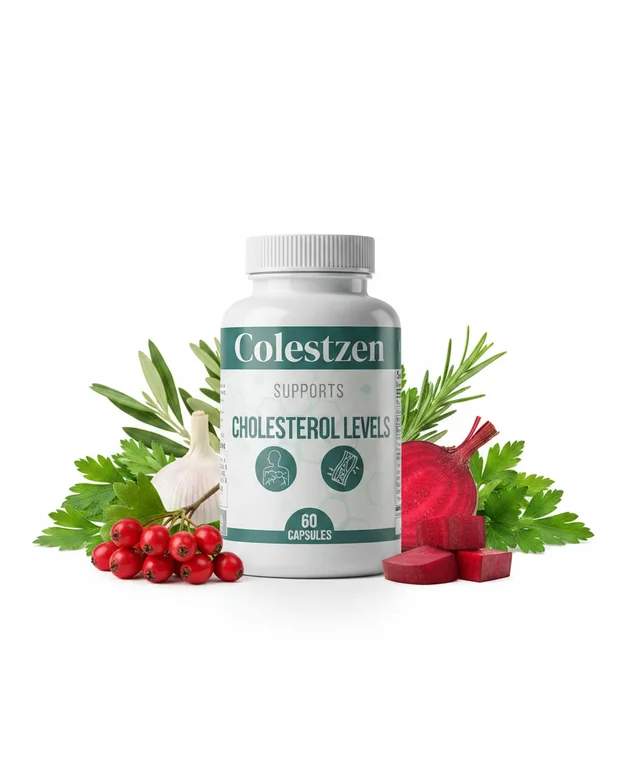
The citrus bergamot supplement has quietly become one of the most talked-about options for people watching their cholesterol, and it earned that attention honestly. Bergamot is a fragrant Calabrian citrus fruit whose juice and peel are unusually rich in a specific family of polyphenols, and human trials have shown those polyphenols moving the lipid panel in a way most botanicals cannot match. What makes it especially interesting is that it does this without the statin-like mechanism, and therefore without the muscle-pain signal, that comes with red yeast rice. This guide explains what a citrus bergamot supplement actually does, what dose the studies used, and how to shop for one — as general nutrition information, never a treatment claim.
If you are still comparing categories, our overview of the cholesterol-lowering supplements that actually work puts bergamot in context alongside the rest of the shortlist. Here we zoom in on bergamot itself.
What does a citrus bergamot supplement do for cholesterol?
The active compounds in bergamot are polyphenol flavonoids, and two of them — brutieridin and melitidin — are close to unique to this fruit. What makes them intriguing is their structure: both carry a chemical side-group that resembles the working end of a statin, which is one proposed reason bergamot can influence the same cholesterol-production pathway without being a statin itself. Alongside that, bergamot polyphenols appear to support the way the body clears LDL and to have antioxidant activity that may matter for the arteries.
In practical terms, controlled studies have reported bergamot lowering LDL cholesterol and triglycerides, with some also showing a modest lift in protective HDL. A 2024 trial went further, reporting total cholesterol falling by roughly 63.6 mg/dL and triglycerides by about 74.7 mg/dL over the study period — sizeable shifts for a plant extract. Because the mechanism runs through polyphenols rather than a monacolin, bergamot does not carry the statin-like myopathy signal, which is the single biggest reason it has been adopted as a red-yeast-rice alternative.
None of that makes it a medicine. It is nutritional support for people who want to look after their numbers, and it works best as one part of a wider routine rather than a magic bullet.
The dose-response: how much bergamot to take
Bergamot is one of the rare supplements where the research gives a genuinely useful dose-response curve, which is why the strength you choose is not a detail — it is the whole game. In a three-month double-blind trial, participants taking 500 mg per day saw LDL fall by about 23 percent, while those taking 1,000 mg per day saw it fall by roughly 38.6 percent. In other words, doubling the dose meaningfully increased the effect, which is exactly what you want to see if you are trying to separate a real ingredient from a placebo.
That is also why you cannot judge a citrus bergamot supplement by the weight of “bergamot extract” on the front label alone. What matters is the standardised polyphenol content — the concentration of the actual flavonoids — and whether the daily serving lands in the range the trials used. A product delivering a token amount of unstandardised extract is unlikely to reproduce the published numbers, however impressive the front of the bottle looks.
Citrus bergamot dose-response at a glance
| Daily dose | Reported LDL change | Other lipid signals | Notes |
|---|---|---|---|
| 500 mg | About −23% | Triglycerides down; HDL often up | Entry-level effective dose in the 3-month trial |
| 1,000 mg | About −38.6% | Larger triglyceride reduction | Stronger effect; the clear dose-response step |
| Bergamot in a 2024 trial | Total cholesterol −~63.6 mg/dL | Triglycerides −~74.7 mg/dL | Sizeable shifts for a plant extract |
| Under-dosed / unstandardised | Little to none | Unpredictable | Why the polyphenol figure matters more than fruit weight |
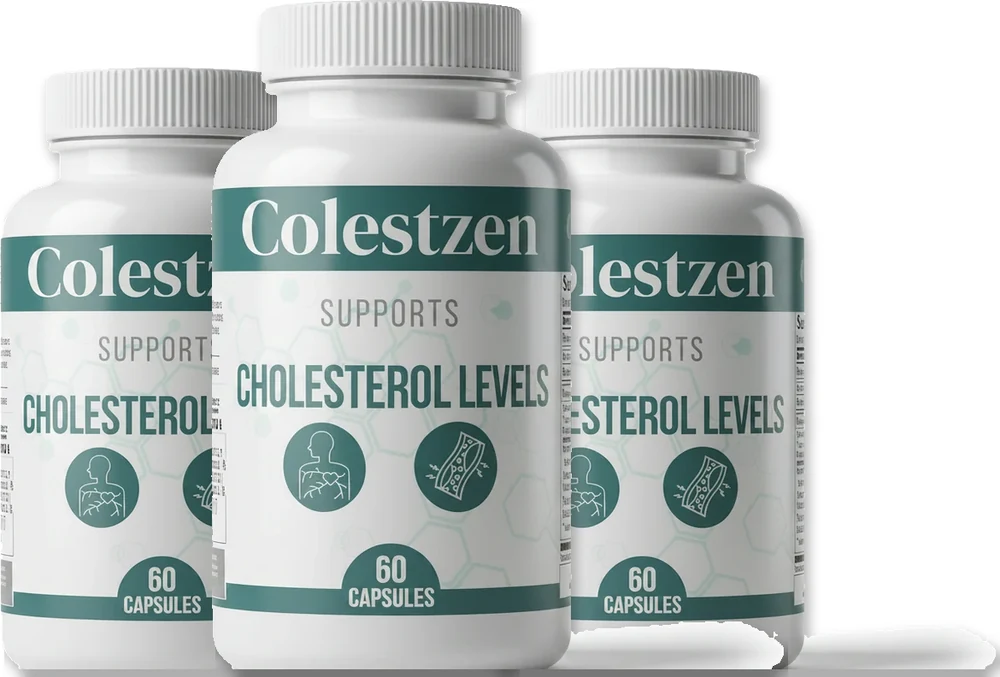
Want to see standardised botanicals on one panel?
If you would rather compare a full formula than assemble single extracts yourself, start by reading the ingredient panel and the amount behind each botanical.
See the Official ColestZen OfferWhy bergamot became a red yeast rice alternative
For years, anyone wanting a “natural” cholesterol option was pointed straight at red yeast rice. It works, but it works by being a low, variable dose of a statin, which brings statin-like cautions: possible muscle pain, occasional liver-enzyme changes, and the risk of citrinin contamination in poorly made products. We cover all of that in our guide to the benefits and risks of red yeast rice for cholesterol. Bergamot arrived as an answer to those specific worries.
The appeal is a cleaner safety profile paired with real efficacy. Because bergamot does not act through a monacolin, it does not carry the myopathy signal that makes some people nervous about red yeast rice, and there is no citrinin issue because there is no live fermentation involved. At the higher 1,000 mg dose, its LDL effect has matched or beaten what red yeast rice typically delivers. That combination — comparable numbers, gentler profile — is why bergamot has become the go-to suggestion for people who cannot or would rather not use a statin-like agent. If you want the two weighed side by side, see our head-to-head on red yeast rice versus citrus bergamot for cholesterol.
Bergamot's quiet advantage is not that it is stronger than everything else — it is that it delivers a real, dose-dependent LDL effect without behaving like a drug.
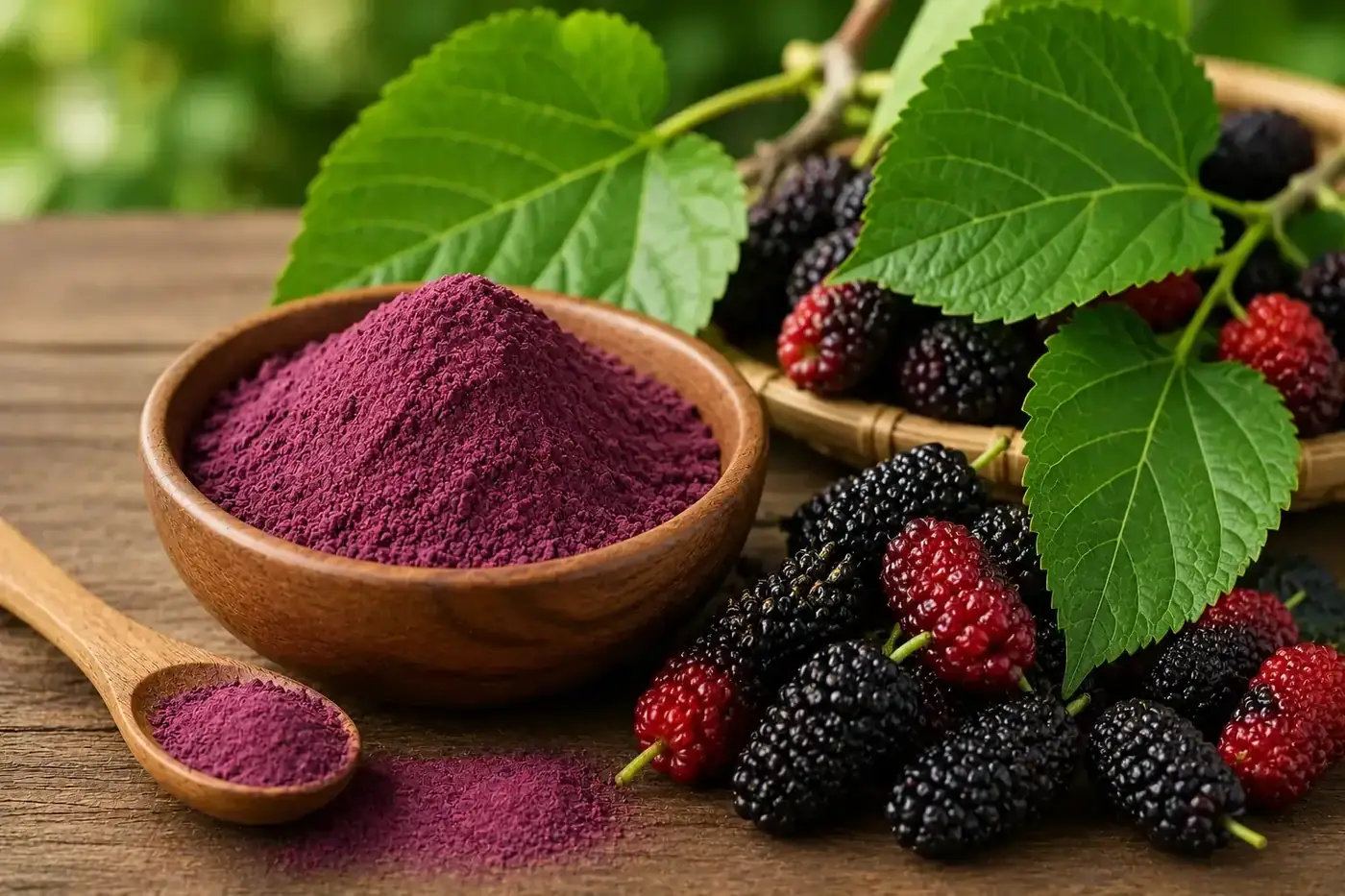
Citrus bergamot side effects and cautions
Bergamot's safety record in trials is reassuring: adverse effects are few, and the most common complaint is mild digestive upset or heartburn, usually manageable by taking the supplement with food. That said, “well tolerated” is not the same as “no cautions.” Because bergamot influences blood lipids and, at least in theory, could interact with cholesterol or blood-sugar medications, anyone on prescriptions should clear it with a doctor before starting. People who are pregnant or nursing should also err on the side of caution, since the safety data in those groups is limited.
There is also the perennial supplement-quality issue. Bergamot products vary in how they are standardised, and the polyphenol content that drives the benefit is not always disclosed. As with every ingredient in this category, a third-party tested product from a brand that prints its numbers is worth more than a cheaper bottle that asks you to trust a hero image. Buy on the standardised polyphenol figure, not the marketing.
How ColestZen standardises its bergamot approach
The through-line of everything above is standardisation: with bergamot, the polyphenol concentration and the daily dose decide whether you get the published effect or nothing at all. That is the reasoning behind a blended formula like ColestZen, which brings together several plant botanicals studied for cholesterol, metabolic and circulatory balance and lists each ingredient with its amount on the label. Instead of relying on a single extract, a well-built blend layers complementary polyphenol-rich botanicals, and the transparent panel lets you confirm the actives are present in meaningful amounts. It is positioned as everyday nutritional support to sit alongside a heart-healthy diet, regular movement and any medication you take — not as a drug, and not as a cure for anything.
Whether you opt for a standalone citrus bergamot supplement or a broader formula, the buying rule does not change: look for a stated, standardised active content, insist on third-party testing, and be sceptical of any label that hides the very numbers the research is built on.
What to look for on a citrus bergamot label
Bergamot is a case study in why the front of a bottle can mislead. Two products can both boast “bergamot extract” and deliver completely different results, because the benefit tracks the polyphenol concentration rather than the fruit weight. So the first thing to hunt for is a standardised flavonoid content, ideally expressed as a percentage of total polyphenols and, better still, verified by an independent lab. If a label only quotes milligrams of generic extract with no standardisation, you are buying on faith.
Next, check that the daily serving lands in the range the studies used — roughly 500 to 1,000 mg — and note whether that figure is per serving or per two servings, a common source of confusion. Timing helps too: taking bergamot shortly before a meal fits how it was studied and can ease any mild stomach upset. Finally, weigh it honestly against your alternatives. If a reliable, statin-like LDL drop is the priority and you have no reason to avoid it, red yeast rice may edge ahead; if a gentler profile matters more, bergamot is hard to beat. Our side-by-side on red yeast rice versus citrus bergamot walks through that decision in detail so you can match the ingredient to your own numbers and tolerance.
Medical note: this article is general information, not medical advice. Speak to a healthcare professional before starting any supplement, especially if you are pregnant, nursing, taking cholesterol or blood-sugar medication, or managing diagnosed high cholesterol — and never stop a prescribed medicine on your own.
Frequently asked questions
What does citrus bergamot do for cholesterol?
Citrus bergamot is rich in polyphenol flavonoids, especially brutieridin and melitidin, which appear to influence how the body produces and clears cholesterol. In controlled trials it has lowered LDL and triglycerides and nudged HDL upward. Unlike red yeast rice, it does not work through a statin-like molecule, so it lacks that ingredient's muscle-pain signal while still showing a clear effect on the lipid panel.
How much bergamot should I take per day?
The dose matters, because the effect is dose-dependent. A three-month double-blind trial found 500 mg a day lowered LDL by about 23 percent, while 1,000 mg a day lowered it by roughly 38.6 percent. Most standardised products land in the 500 to 1,000 mg range, taken before a meal. Look for a stated polyphenol content rather than just the weight of fruit extract.
Is citrus bergamot better than red yeast rice?
Neither is simply better; they suit different people. Red yeast rice usually produces a reliable LDL drop but carries statin-like risks and quality concerns. Citrus bergamot has a cleaner safety profile with no myopathy signal, and higher doses have matched or beaten red yeast rice on LDL in some trials. The right choice depends on your numbers, your tolerance and your doctor's advice.
Does bergamot supplement have side effects?
Citrus bergamot is generally well tolerated, and trials report few adverse effects. Mild digestive upset or heartburn is the most common complaint. Because it can influence blood lipids and, in theory, interact with cholesterol or blood-sugar medication, anyone taking prescriptions should check with a doctor first. As with any supplement, choose a third-party tested product from a transparent brand.
Scientific references
- PubMed — bergamot polyphenols and LDL cholesterol trials
- NIH NCCIH — Dietary and Herbal Supplements
- NIH Office of Dietary Supplements — fact sheet library
- American Heart Association — Cholesterol
- Harvard T.H. Chan School of Public Health — Nutrition Source
- Mayo Clinic — Cholesterol-lowering supplements
Related reading
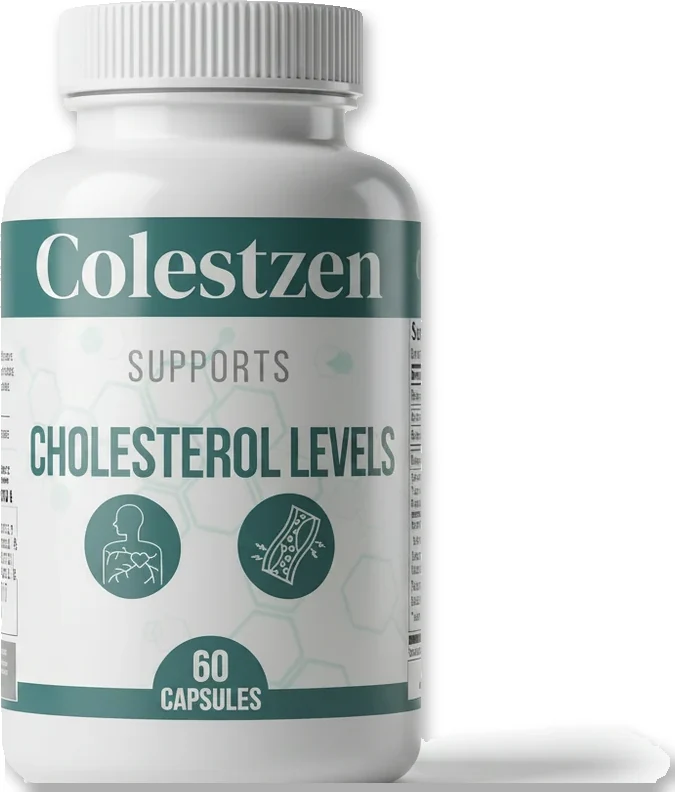
See how ColestZen approaches cholesterol support
A transparent blend of plant botanicals in one daily capsule, each listed with its amount — a straightforward reference point when you are weighing a citrus bergamot supplement against a fuller formula.
Check Availability & Offer