How to Lower Cholesterol Without Statins
How Do You Lower Cholesterol Naturally Without Statins?
To lower cholesterol without statins, combine several proven helpers: soluble fiber and psyllium, plant sterols at around 2 g a day, citrus bergamot, red yeast rice and olive polyphenols. Add a lower saturated fat diet and regular movement. Together they can trim LDL by roughly 5 to 25 percent.
- Stack the levers: fibre, plant sterols (2g/day), citrus bergamot, red yeast rice, olive polyphenols.
- Set expectations: about 5–25% LDL from supplements vs 30–50% from statins — best with diet and exercise.
- Safety first: never stop a prescribed statin without talking to your doctor.
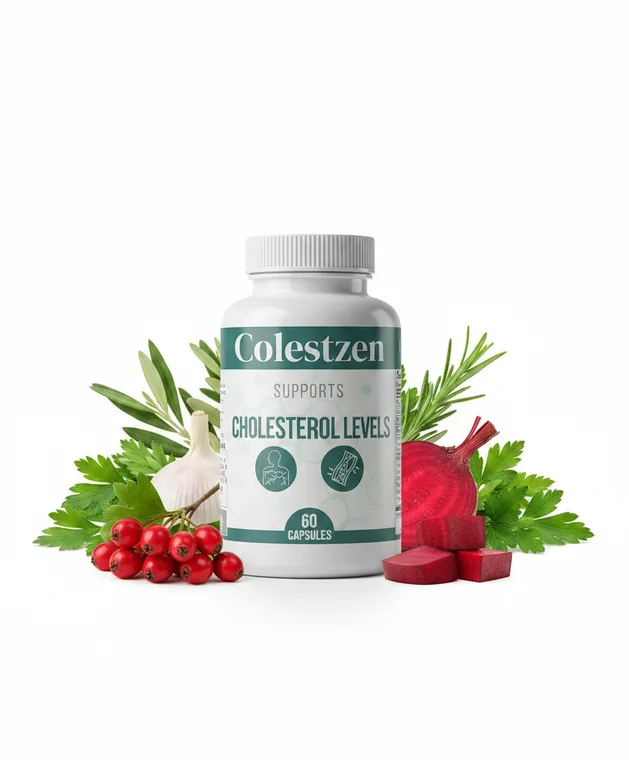
If your last cholesterol result nudged into the amber and your first instinct was to search for the natural ways to lower cholesterol without statins, you are in a very large club. Plenty of people are statin-hesitant — sometimes because of muscle aches they have heard about, sometimes because they simply want to try lifestyle and diet first, sometimes because their numbers are only borderline and their doctor has said “let’s watch it.” Whatever brought you here, the honest goal of this article is to tell you what actually works, how far it can realistically take you, and where the real limits are.
Here is the headline up front, because you deserve it before the sales pitch: no supplement on a shelf matches a statin drug for raw LDL reduction. What natural methods can do — and it is genuinely worth doing — is stack several modest levers into a combined effect that is real, measurable, and, for many people with borderline numbers, enough to close the gap. Let’s build that stack.
Natural ways to lower cholesterol without statins: the core stack
The mistake most people make is hunting for the single most powerful natural alternative to statins, as if one botanical will do the whole job. It won’t. The winning strategy is to combine several ingredients and habits that each nudge LDL down through different mechanisms, so their effects add rather than overlap. Think of it as assembling a stack, not choosing a champion.
Five ingredient-level levers have the strongest evidence behind them, and none of them requires a prescription. Each one is modest alone. Together, layered on a sensible diet, they are where the 5-to-25-percent range comes from.
Soluble fibre and psyllium: the foundation lever
Start with fibre, because it is the cheapest, safest and best-evidenced place to begin. Soluble fibre — the kind in oats, barley, beans, lentils, apples and especially psyllium husk — forms a gel in the gut that traps bile acids and carries them out of the body. Your liver then pulls cholesterol out of the bloodstream to manufacture replacement bile, and LDL drifts down as a result. It is a slow, mechanical, unglamorous process, and it is one of the most reliable non-drug effects in the whole field of nutrition. A daily spoon of psyllium, or a genuine effort to eat oats and legumes most days, adds a few percentage points on its own and amplifies almost everything else you stack on top of it. The psyllium effect specifically is pooled in Jovanovski E, et al. Am J Clin Nutr, 2018, and the wider food evidence in Schoeneck M, Iggman D. Nutr Metab Cardiovasc Dis, 2021.
Plant sterols at ~2g a day
Plant sterols and stanols are the second lever, and they have a specific, well-studied target dose: around 2 grams a day. Sterols are structurally similar enough to cholesterol that they compete with it for absorption in the gut, effectively crowding some of your dietary cholesterol out before it ever enters circulation. At that ~2g dose, studies consistently show a single-digit percentage reduction in LDL — not dramatic, but dependable, and it stacks cleanly with the fibre effect because the two work through related absorption pathways. Sterols show up in fortified spreads and in supplements, and they are one of the few natural levers with a dose you can actually aim at.
Citrus bergamot, red yeast rice and olive polyphenols
The third lever is citrus bergamot, an extract from a Mediterranean citrus fruit that has drawn growing research interest for cholesterol and metabolic support. It is a popular choice precisely because it is a botanical rather than a drug, and if you want the detail we have a full breakdown of the citrus bergamot supplement for cholesterol and what the trials actually show.
The fourth lever is the one that comes with an asterisk: red yeast rice. It is often marketed as the natural answer to statins, and for a revealing reason — it contains monacolin K, a compound that is chemically the same as the active ingredient in a prescription statin. That makes it genuinely effective, but it also means it carries statin-like cautions and statin-like potential side effects, and product potency varies wildly between brands. Before you treat it as a gentle herbal option, read our honest look at red yeast rice for cholesterol, its benefits and its risks — because “natural” here does not mean “risk-free.” Its pooled LDL effect and its safety uncertainty are both reported in Gerards MC, et al. Atherosclerosis, 2015.
The fifth lever is olive polyphenols, particularly hydroxytyrosol, the antioxidant compound that gives extra-virgin olive oil much of its heart-health reputation. Some studies of concentrated olive polyphenols have reported LDL reductions in the region of 11 to 12 percent — toward the upper end of what a single natural ingredient tends to deliver — which is why they earn a place in the stack alongside the classics.
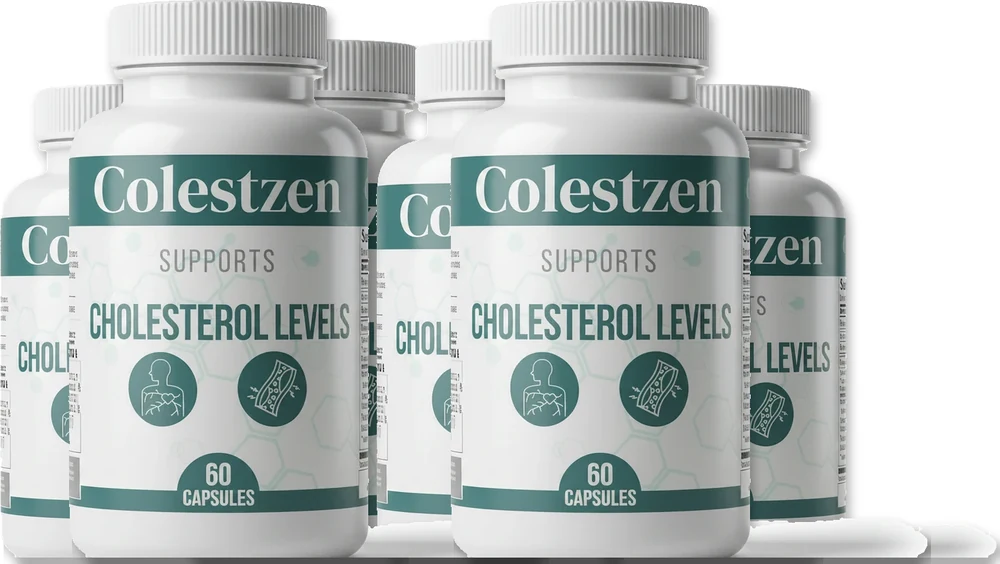
Want the botanical levers in one daily capsule?
ColestZen combines nine plant botanicals aimed at daily cholesterol, metabolic and circulatory support — every ingredient and amount printed on the label, so you can judge the stack honestly instead of guessing what is inside.
See the Official ColestZen OfferHow much can natural methods actually lower LDL?
This is the number that decides whether a natural approach is realistic for you, so let’s be blunt about it. A typical statin lowers LDL by roughly 30 to 50 percent. The natural stack described above, combined and taken consistently, tends to land somewhere in the 5 to 25 percent range depending on how many levers you use, how well you eat, and your own biology. That is a real, useful reduction — and it is also, honestly, a smaller one than the drug delivers.
The practical implication is simple. If your LDL is borderline and your doctor is comfortable with a lifestyle trial, the natural stack has a genuine chance of getting you where you need to be. If your LDL is high, or you have significant cardiovascular risk factors, the arithmetic gets harder, and supplements alone may not close the gap — which is exactly why this is a medical conversation, not a solo experiment. For a wider view of this trade-off, our comparison of cholesterol pills versus lifestyle changes lays out how the two combine.
Supplements vs statins, side by side
| Factor | Natural stack (no statin) | Prescription statin |
|---|---|---|
| Typical LDL reduction | ~5–25% (levers combined) | ~30–50% |
| How it works | Absorption, bile, botanicals — several small mechanisms | Blocks cholesterol production in the liver |
| How fast | Gradual — give it 8–12+ weeks | Faster, but still checked over weeks |
| Best for | Borderline numbers, statin-hesitant, lifestyle-first | Higher LDL or elevated cardiovascular risk |
| Works best when | Stacked on top of diet and exercise | Prescribed and monitored by a doctor |
| Can it replace the other? | Sometimes, for borderline cases — with medical sign-off | Should not be stopped on your own |
Read across the rows and the picture is clear: the natural stack is not a weaker version of the same thing — it is a different, gentler tool for a different situation. It shines for borderline numbers and for people who want to try lifestyle first, and it falls short precisely where the risk is highest and the drug’s power matters most.
Diet and exercise: the levers that make the rest work
No article on lowering cholesterol without statins is honest if it skips the two biggest free levers. Every supplement above works better when the diet underneath it is moving in the same direction — and some of them, like fibre and sterols, are quite literally blunted by a diet that keeps pouring in saturated fat.
On the plate, the highest-value changes are the boring ones: swap butter and fried food for olive oil, nuts and oily fish; trade processed and fatty meat for beans, lentils, poultry or fish a few nights a week; and pile on the soluble-fibre foods you are already using as a supplement lever. These swaps reduce the raw material your liver turns into LDL, and they compound with the sterols and fibre rather than competing with them.
On the move side, regular activity — even brisk walking most days — nudges LDL and triglycerides down and tends to lift protective HDL, while losing excess weight amplifies every other lever in the stack. None of this is fast, and none of it is glamorous, but it is the foundation the pills sit on. If you want to calibrate your patience, our guide to how long supplements take to lower cholesterol explains why the whole plan needs about three months before a recheck tells you anything reliable.
Three objections worth answering honestly
“Isn’t there one natural thing that works as well as a statin?” The closest single ingredient is red yeast rice — and the reason it works is that it contains a naturally occurring statin compound, which means it is not really the drug-free option people imagine. Everything else is modest on its own. The power of the natural approach comes from stacking, not from finding a hidden miracle. Which levers are worth stacking first is the subject of our ranking of the best cholesterol-lowering supplements for 2026, ordered by the strength of the human data rather than by popularity.
“Supplements are unregulated, so how do I know what I’m getting?” This is a fair objection, and the answer is to be picky. Look for products that disclose every ingredient and its exact amount on the label rather than hiding behind a “proprietary blend,” and favour brands made in audited facilities. Transparency is not a guarantee of results, but it is the minimum bar for judging whether a formula even contains meaningful doses. For a wider survey of which ingredients clear that bar, see our roundup of cholesterol-lowering supplements that actually have evidence behind them.
“Can I just stop my statin and switch to supplements?” Please do not do this on your own. If you were prescribed a statin, it was for a reason — usually elevated cardiovascular risk — and stopping it abruptly can be genuinely dangerous. Wanting to reduce or come off medication is a completely legitimate goal, but it is one to pursue with the doctor who prescribed it, who can review your risk, monitor your numbers, and decide whether a lifestyle-and-supplement plan is safe for your situation.
Where ColestZen fits in a statin-free plan
If you have decided to build a natural stack, ColestZen is designed to be the botanical layer of it. It is a blend of nine plant botanicals — cinnamon, mulberry leaf, banaba, gymnema and others — aimed at daily cholesterol, metabolic and circulatory support, with every ingredient and amount printed on the label rather than buried in a proprietary blend. It is not a statin, and we will not pretend it is one; it is a convenient way to get several botanical levers in a single daily capsule so you are not managing a shelf of separate bottles. You can see exactly how it is assembled on the nine-botanical ColestZen formula page and decide whether it belongs in your plan.
A final word on mindset, because it decides whether any of this works. The people who successfully lower their cholesterol without a statin are almost never the ones chasing a single powerful trick. They are the ones who quietly stack several modest, sustainable actions — fibre, sterols, a botanical supplement, better food, daily movement — and hold them long enough to matter, then recheck their numbers and adjust. Get a baseline lipid panel, run the combined plan for about three months, and let the blood test tell you the truth. That loop — stack, wait, measure, adjust — is the entire method.
Stop looking for the one natural thing that replaces a statin. Build a stack of modest levers on a foundation of diet and movement, give it three months, and measure the result — that is how cholesterol actually comes down without a drug.
Medical note: this article is general information, not medical advice. Supplements do not replace prescribed medication or a healthy diet. Speak to a healthcare professional before starting any supplement, especially if you are pregnant, nursing, taking medication, or managing high cholesterol, and never stop a prescribed statin on your own.
Related reading
Frequently asked questions
How can I lower cholesterol naturally without statins?
Stack several evidence-based levers rather than hunting for one magic fix. Add soluble fibre and psyllium, plant sterols at around 2g a day, and consider citrus bergamot, red yeast rice or olive polyphenols, all on top of a diet lower in saturated fat and regular movement. Each moves LDL modestly; together they can trim it by roughly 5 to 25 percent. Get a baseline lipid panel, hold the plan for about three months, then recheck to see what worked for your body.
What is the best natural alternative to statins?
There is no single natural alternative that matches a statin, so the honest answer is a combination rather than one ingredient. The best-evidenced options are soluble fibre and plant sterols for absorption, citrus bergamot and olive polyphenols for LDL support, and red yeast rice, which contains a naturally occurring statin-like compound and therefore carries statin-like cautions. A combined stack layered on diet and exercise is more realistic than expecting any one pill to stand in for medication.
How much can natural methods lower LDL?
Realistically, natural methods lower LDL by around 5 to 25 percent when several are combined, compared with roughly 30 to 50 percent for a typical statin. Individual levers are modest on their own: plant sterols around 2g a day trim LDL by a single-digit percentage, olive polyphenols have shown drops near 11 to 12 percent in some studies, and soluble fibre adds a few percent more. Diet and weight loss amplify all of it, which is why the numbers add up only when the levers are stacked.
Can I stop my statin if I take supplements?
No - not on your own. A supplement is a smaller, additive lever and cannot be assumed to replace a prescribed statin, especially if you were put on one for elevated cardiovascular risk. Stopping medication without medical supervision can be dangerous. If you would prefer to reduce or come off a statin, that is a conversation to have with the doctor who prescribed it; they can review your risk, monitor your numbers and decide whether a lifestyle-and-supplement plan is appropriate for you.
Does soluble fiber help lower LDL cholesterol?
Yes, soluble fiber and psyllium are two of the main natural helpers listed here. They work best together with plant sterols, a lower saturated fat diet and regular movement.
Scientific references
- American Heart Association — prevention and treatment of high cholesterol
- Harvard T.H. Chan School of Public Health — Fats and Cholesterol
- NIH NCCIH — Dietary and Herbal Supplements
- NIH Office of Dietary Supplements — dietary supplement fact sheets
- Mayo Clinic — top foods to improve your cholesterol
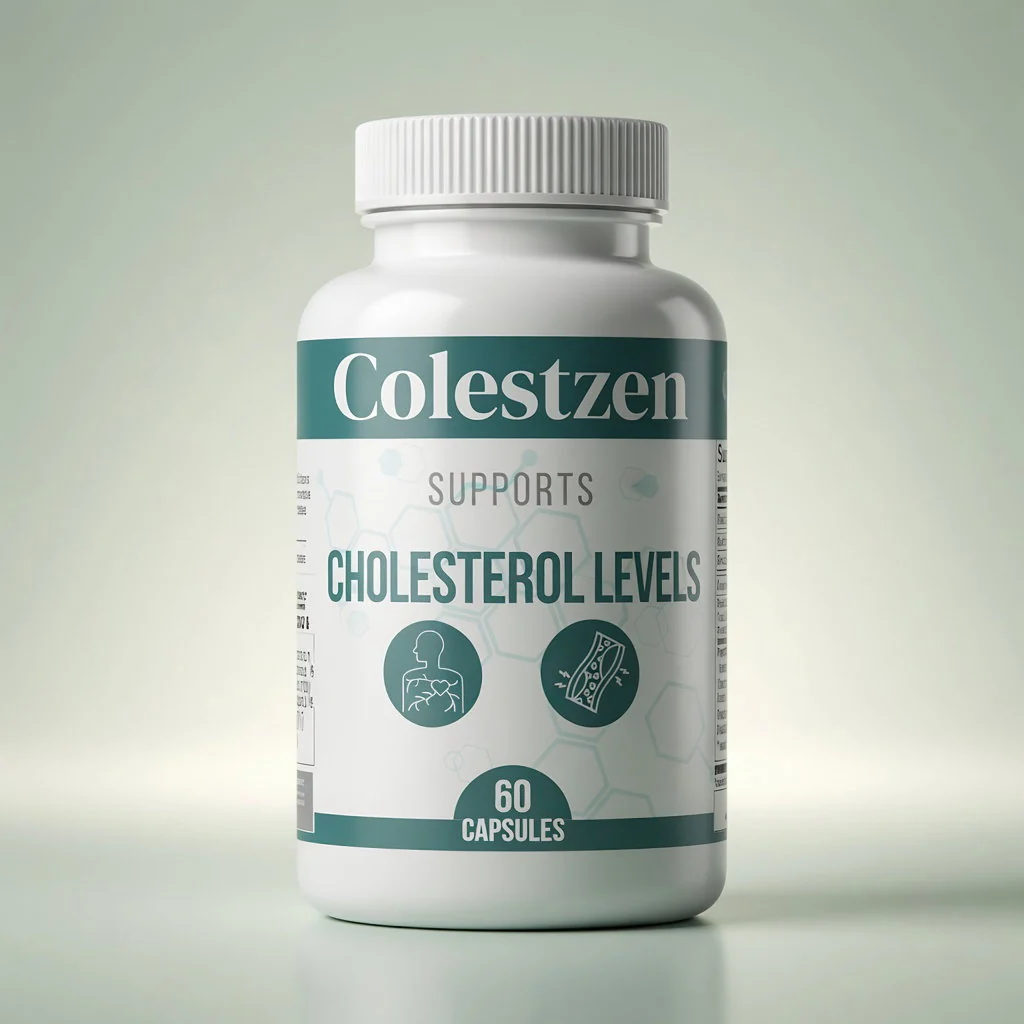
Add the botanical layer to your natural plan
Nine plant botanicals in one daily capsule, each at a disclosed amount — built to sit on top of your diet, fibre and movement, not to replace a prescribed statin.
Check Availability & Offer