Reduce Cholesterol Pills vs Lifestyle Changes
Quick Answer: Reduce Cholesterol With Pills or Lifestyle?
The choice to reduce cholesterol with pills or lifestyle changes is a false one — the two are complementary. Diet, fibre, weight and exercise each move LDL modestly and fix the root causes, while a targeted supplement adds an extra push on top. Lifestyle is the foundation; the pill is the finishing few percent. Expect meaningful change on a blood panel in about three to six months.
- Lifestyle: the big lever — soluble fibre, less saturated fat, regular movement.
- Pills: a targeted, smaller push that works best on top of good habits.
- Timeline: give a combined plan 3–6 months, then recheck your numbers.
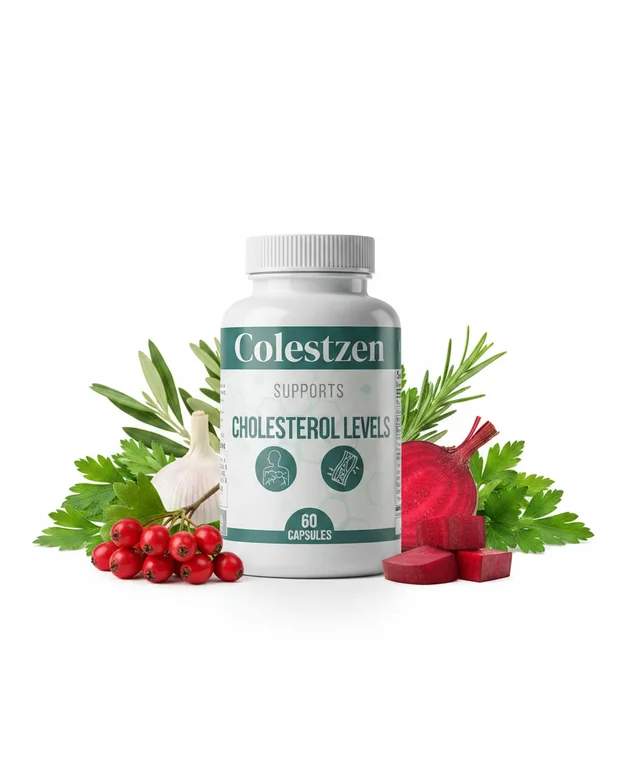
Search “how do I lower my cholesterol” and you land in a tug-of-war. One camp insists you only need to fix your diet; the other sells a bottle that promises to do the work for you. If you are weighing whether to reduce cholesterol with pills or with lifestyle changes, the honest answer is that framing it as a contest is the mistake. They are not rivals. They are two levers of very different sizes, and the people who get the best numbers pull both.
This article lays out what each one actually does, how long it takes, and how to combine them into a plan you can measure — without any promise of a miracle, because there isn't one.
What lifestyle changes actually do to cholesterol
Start with the big lever, because it is genuinely big. Three lifestyle levers have the strongest, most consistent evidence for moving LDL cholesterol, and none of them requires a prescription.
The first is soluble fibre. Oats, barley, beans, lentils, apples and psyllium form a gel in the gut that traps bile acids and carries them out; your liver then pulls cholesterol from the blood to make more bile, and LDL drifts down. It is a modest effect on its own, but it is real and reproducible. The second is reducing saturated and trans fat. Swapping butter, fatty processed meat and fried food for olive oil, nuts, oily fish and lean protein directly lowers the raw material your body turns into LDL. The third is movement and weight. Regular activity nudges LDL and triglycerides down and tends to raise protective HDL, and losing excess weight amplifies all of it.
Here is the catch nobody advertises: each of these moves LDL modestly, and none of them works overnight. Lifestyle-only results typically take about three to six months to show up clearly on a blood panel, because your body remodels its cholesterol handling slowly. That slow burn is exactly why people give up too early and reach for a shortcut — and exactly where the pill conversation begins.
Where reduce cholesterol pills fit in the plan
So if lifestyle is the big lever, where do reduce cholesterol pills belong? They belong on top — as a targeted, additive push, not a substitute for the foundation.
A well-chosen cholesterol supplement adds an extra few percentage points on top of what diet and exercise are already doing. Some ingredients even work through the same machinery your food does: plant sterols compete with cholesterol for absorption in the gut, and soluble-fibre supplements like psyllium extend the fibre effect you get from oats. Others, such as certain botanicals, act on how your body handles fats and sugars. None of them is dramatic in isolation. But stacked on a decent diet, that extra push can be the difference between “almost at my target” and “at my target” — and the psychological lift of taking a visible daily action often helps people stick with the harder lifestyle changes too. For a fuller map of which ingredients have real data behind them, see our guide to cholesterol-lowering supplements that actually work.
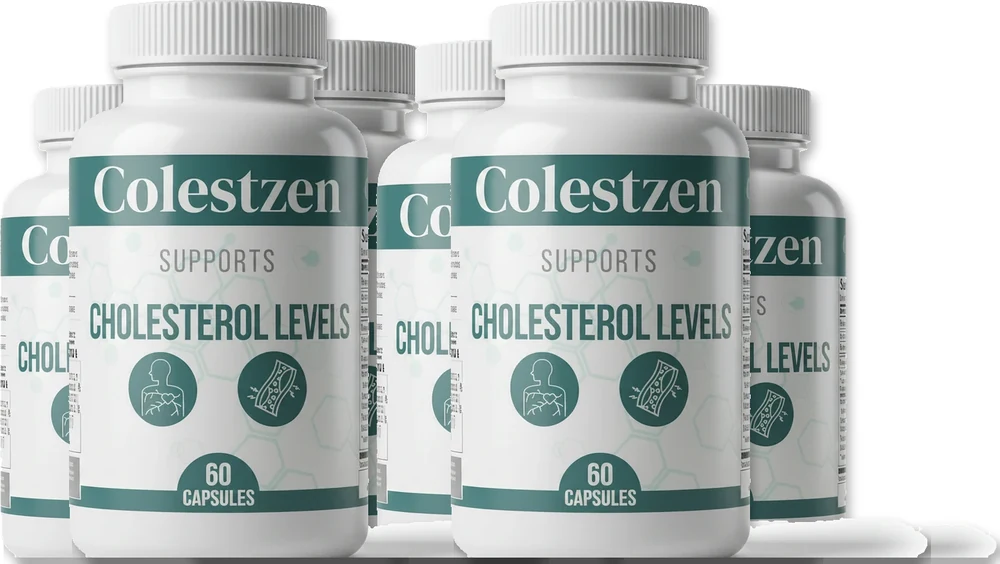
Ready for the pill half of a combined plan?
ColestZen is built to be the targeted daily push that sits on top of your diet and movement — nine plant botanicals, every ingredient and amount printed on the label so you can judge it honestly.
See the Official ColestZen OfferPills vs lifestyle, side by side
| Factor | Lifestyle changes | Supplement pills |
|---|---|---|
| Size of effect on LDL | The big lever — modest but foundational | The small lever — a targeted few percent on top |
| How fast | Roughly 3–6 months to show clearly | Also gradual; give it 8–12+ weeks |
| Other benefits | Weight, blood pressure, blood sugar, mood, energy | Focused on cholesterol and metabolic support |
| Effort required | Higher — habits, cooking, activity | Low — a daily capsule |
| Works best when | Sustained long term | Layered on top of the lifestyle foundation |
| Can it replace the other? | Can stand alone, but slower to target | No — cannot out-supplement a poor diet |
Read across the rows and the verdict is obvious: this was never an either/or. Lifestyle brings a wide range of benefits and does the heavy lifting on your numbers; the pill contributes a focused top-up with almost no effort. Choosing between them throws away easy gains.
The realistic combined plan — and why you should recheck
Put it together and a sensible plan looks like this. Build the foundation first: add soluble fibre daily, cut the obvious saturated-fat sources, and move most days even if it is just brisk walking. Then layer a targeted supplement on top for the extra push. Give the whole thing time — the individual pieces are gradual, and the combined effect still needs about three to six months to register properly.
The step most people skip is the one that makes all of this worth doing: recheck your numbers. Get a baseline lipid panel before you start, or use your most recent one, then repeat it after roughly three months of the combined plan. That single before-and-after comparison turns guesswork into feedback. It tells you whether the plan is working for your body, whether you need to lean harder on the diet side, and whether the supplement is earning its place. If you want to set your expectations before that first recheck, our explainer on how long supplements take to lower cholesterol covers realistic timelines in detail.
A 12-week combined routine you can actually measure
Abstract advice is easy to nod along to and hard to act on, so here is a concrete version of the combined plan — the sort of thing you could start this week and hold for a single blood-panel cycle. Treat it as a framework to adapt with your own doctor, not a prescription.
Weeks 1–2, set the baseline and the fibre habit. Get a current lipid panel if you do not already have one, because you cannot measure progress without a starting line. At the same time, build a daily soluble-fibre habit: a bowl of oats or a serving of beans, an apple, and a spoon of psyllium if you tolerate it. Fibre is the gentlest lever to start with because it rarely upsets anything and it stacks with everything that follows.
Weeks 2–4, attack the saturated fat. You do not need a perfect diet; you need fewer of the obvious offenders. Swap butter for olive oil, fried food for baked or grilled, processed meat for fish, poultry or legumes a few nights a week. These swaps directly reduce the raw material your liver turns into LDL, and they compound with the fibre you already added.
Weeks 1–12, keep moving and take the pill consistently. Aim for movement on most days — even brisk walking counts — because activity nudges LDL and triglycerides down and lifts protective HDL. If you are using a supplement as the targeted push, take it every day with a meal and treat consistency as the whole point; an absorbable formula taken daily beats a “better” one taken sporadically. Judge nothing in the first fortnight, because the body remodels its cholesterol handling over weeks, not days.
Around week 12, recheck and adjust. Repeat the panel and compare it against your baseline. If the numbers moved in the right direction, you have proof your plan works for your body and a reason to keep going. If they barely budged, that is useful too: it usually means the diet side needs more attention, or that your situation warrants a medical conversation about whether a supplement is the right tool at all. Either way you are now steering with data instead of hope — which is the entire advantage of pairing a measurable pill with measurable habits.
Common myths — and the honest limits
Myth 1: “I can out-supplement a bad diet.” You can't, and the biology explains why. The best-evidenced ingredients work partly by changing how you absorb the fats you eat, so their effect is blunted when the diet keeps pouring in saturated fat. A pill on top of fried food is fighting the current.
Myth 2: “There's a fastest natural way that works in days.” There isn't. Every honest lever — fibre, fat swaps, movement, supplements — is gradual, because cholesterol handling remodels slowly. The genuinely fastest route is simply to start a combined plan today rather than searching for a shortcut that doesn't exist.
Myth 3: “If my numbers are only a little high, lifestyle alone is enough.” It might be — and that is exactly the situation where a small extra push is easiest to add and most likely to close the gap. Individual foods and single nutrients each move things a little; combining several gentle actions is how the little bits add up. Our breakdowns of cinnamon and plant sterols for cholesterol and of beet supplements and dietary nitrates for heart health show how modest, evidence-based levers stack.
And the honest limit that governs all of it: supplements support a healthy routine, they do not replace one, and they are not medicine. Nothing here diagnoses, treats, cures or prevents any disease. If your cholesterol is high enough that your doctor has raised medication, that is a medical decision, and no pill on a shelf — supplement or otherwise — should be used to avoid that conversation or to stop a prescribed treatment.
Where ColestZen fits
If you have decided the combined plan is the right approach, ColestZen is designed to be the pill half of it. It is a blend of nine plant botanicals — cinnamon, mulberry leaf, banaba, gymnema and others — aimed at daily cholesterol, metabolic and circulatory support, with every ingredient and amount disclosed on the label rather than hidden in a proprietary blend. It is not a replacement for diet and exercise, and we would not sell it as one; it is the targeted top-up that sits on the foundation you build. You can see exactly how it is assembled on the nine-botanical ColestZen formula page and decide whether it belongs in your plan.
A last word on mindset, because it decides whether any of this works. The people who succeed at lowering cholesterol are rarely the ones chasing the single most powerful trick; they are the ones who quietly stack several modest, boring, sustainable actions and keep them going long enough to matter. A supplement fits that philosophy perfectly — it is one small, easy, repeatable action among several. It is not a rescue, and it is not permission to abandon the habits underneath it. Keep the foundation, add the push, measure the result, and let the small levers compound.
Stop asking whether to reduce cholesterol with pills or lifestyle. The right question is how to stack a modest daily push on top of the habits that do the heavy lifting — and then measure the result.
Medical note: this article is general information, not medical advice. Supplements do not replace prescribed medication or a healthy diet. Speak to a healthcare professional before starting any supplement, especially if you are pregnant, nursing, taking medication, or managing high cholesterol, and never stop a prescribed medicine on your own.
Related reading
Frequently asked questions
Can pills lower cholesterol without diet changes?
A supplement can add a modest push on its own, but you cannot reliably out-supplement a diet high in saturated fat. The ingredients with the best evidence, such as soluble fibre and plant sterols, work partly by changing how you absorb the fats you eat, so their effect is blunted if the diet is not moving in the same direction. Pills work best as an addition to sensible eating, not a replacement for it.
Are cholesterol pills better than lifestyle changes?
Neither is better; they are complementary. Diet, weight and exercise address the root drivers of high LDL and improve far more than cholesterol alone, while a targeted supplement can add an extra few percent on top. Framing it as pills versus lifestyle is the wrong contest. The strongest results come from doing both, and lifestyle is the foundation the pill builds on.
What is the fastest natural way to lower cholesterol?
There is no overnight fix. The quickest honest levers are cutting saturated and trans fats, adding soluble fibre from oats, beans and psyllium, and moving most days, with a supplement layered on for an extra push. Even then, meaningful change in a blood panel usually takes about three to six months, so the fastest route is starting a combined plan now and rechecking later.
Do I still need diet changes if I take a supplement?
Yes. A supplement is the smaller lever, and it works best on top of the big ones. Diet, weight, activity, not smoking and sleep drive most of the change in your numbers, and they benefit your whole cardiovascular system rather than one lab value. Think of the pill as the finishing few percent on a foundation of lifestyle, not a licence to skip the foundation.
Scientific references
- American Heart Association — prevention and treatment of high cholesterol
- Harvard T.H. Chan School of Public Health — The Nutrition Source
- NIH NCCIH — Dietary and Herbal Supplements
- NIH Office of Dietary Supplements — dietary supplement fact sheets
- Mayo Clinic — top foods to improve your cholesterol
Add the pill half of your plan
Nine plant botanicals in one daily capsule, each at a disclosed amount — built to sit on top of your diet and movement, not replace them.
Check Availability & Offer