Cinnamon, Plant Botanicals and Cholesterol: What the Research Actually Shows
Quick Answer: Do Cinnamon and Plant Botanicals Help Cholesterol?
Partly, and not in the way most labels imply. Pooled trial data show cinnamon reliably lowering triglycerides while leaving LDL cholesterol statistically unchanged. Plant sterols are the opposite story: they are the best-evidenced non-drug ingredient for LDL, cutting it by roughly 6–12% at 0.6–3.3 g a day. Mulberry, banaba, gymnema and bitter melon are studied chiefly for blood sugar, with lipid effects that are indirect at best. None of them replaces diet or a prescribed statin.
- Cinnamon: significant triglyceride reduction; no significant LDL effect in either major meta-analysis.
- Plant sterols: about 6–12% LDL reduction, building up to roughly 3 g/day.
- Key caveat: support alongside diet, never a statin substitute.
Why cinnamon, and why it is so often overstated
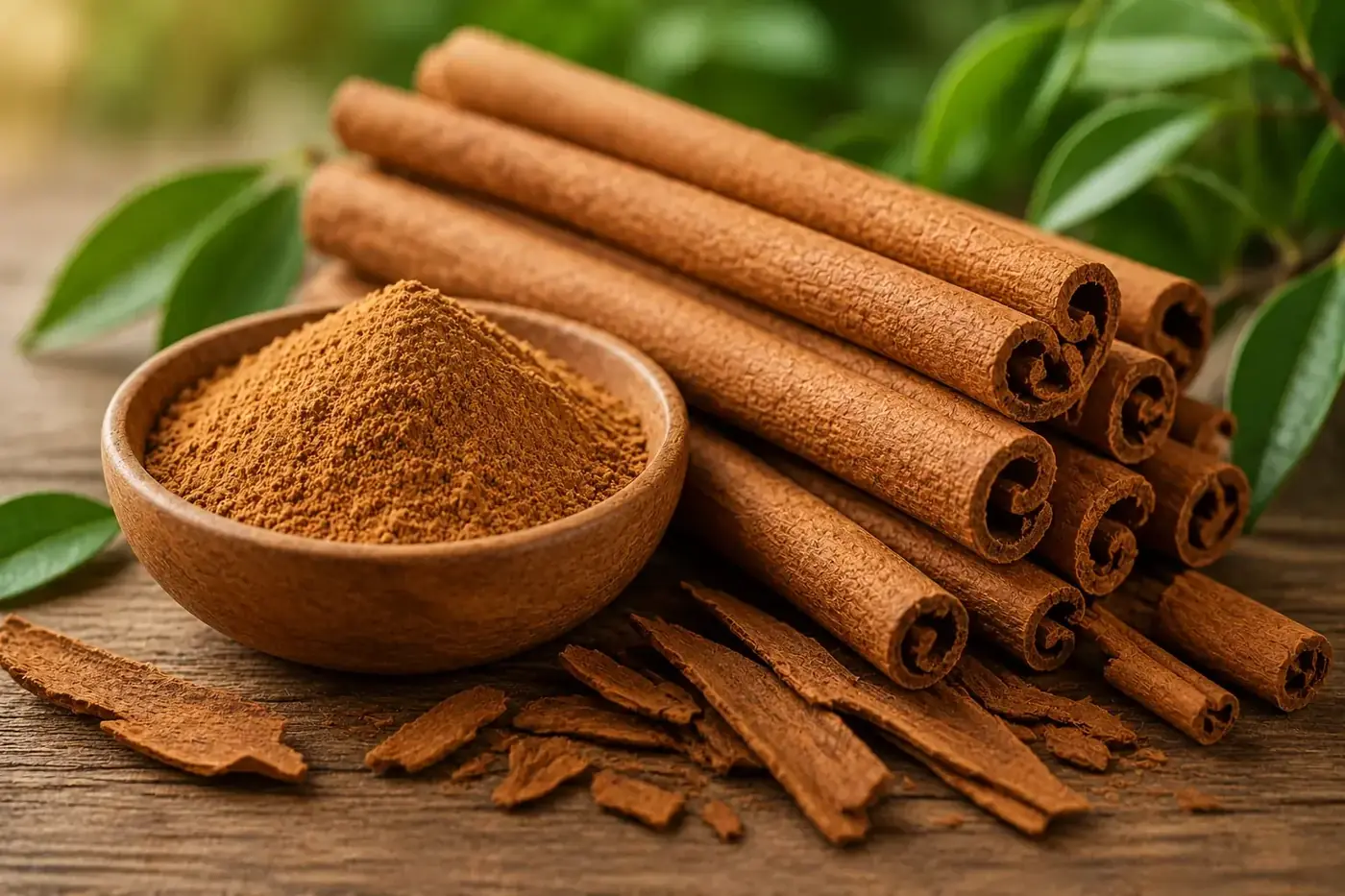
Cinnamon earns its place in heart-health formulas because it has been studied in humans for decades, which is more than most botanicals can claim. The trouble is that the individual trials disagree loudly. Some report meaningful drops in blood lipids; others report almost nothing. Dose, duration, the species of cinnamon and the metabolic health of the participants all vary from study to study, so a reader can find a trial to support almost any position.
That is exactly the situation meta-analysis exists to resolve, and two of them have now done the work. The pattern that emerges is consistent, specific, and different from the claim usually printed on the bottle. Cinnamon moves one lipid reliably. It does not move the one people care about most.
The proposed mechanism is worth understanding, because it explains the pattern. Cinnamon's polyphenols — principally proanthocyanidins and cinnamaldehyde — have been shown to improve insulin signalling in laboratory work. Insulin sensitivity is tightly coupled to how the liver packages and clears triglyceride-rich lipoproteins, so an ingredient that nudges insulin handling would be expected to move triglycerides first and LDL barely at all. That is precisely what the pooled human data show. The mechanism and the outcome agree; it is the marketing that does not.
What cinnamon actually moves — and what it does not
The clearest way to state the evidence is one lipid at a time. In a systematic review and meta-analysis published in the Journal of Clinical Lipidology, Maierean SM, et al. The effects of cinnamon supplementation on blood lipid concentrations. J Clin Lipidol, 2017 found no statistically significant effect of cinnamon on LDL cholesterol (weighted mean difference −0.16 mmol/L, p = 0.10) and none on HDL. It did find significant reductions in triglycerides (−0.27 mmol/L, about −24 mg/dL) and in total cholesterol (−0.36 mmol/L, about −14 mg/dL).
A more recent analysis, Fateh HL, Muhammed AH. Clin Nutr Res, 2024, reached a similar verdict from a larger pool of trials: a non-significant overall effect on LDL (−2.48 mg/dL), a significant reduction in triglycerides (−6.88 mg/dL), and a non-significant effect on total cholesterol. Its authors flagged high heterogeneity between studies and argued for standardised designs before firmer conclusions are drawn.
Two independent teams, different trial pools, same headline: triglycerides yes, LDL no. Where they differ is total cholesterol, which reached significance in the earlier analysis and not the later one — a reminder that any single number here is provisional. Neither found a tidy dose-response. The 2017 analysis found no association between dose and lipid change but did find that effects tracked with the duration of supplementation; the 2024 analysis found its largest triglyceride reductions in trials using under 500 mg a day, which is the opposite of what a simple more-is-better model would predict.
What the evidence shows, and what it does not
| Claim | Evidence status |
|---|---|
| Cinnamon lowers triglycerides | Supported — significant in both major meta-analyses |
| Cinnamon lowers LDL cholesterol | Not supported — non-significant in both |
| Cinnamon lowers total cholesterol | Mixed — significant in 2017, not in 2024 |
| Cinnamon raises HDL | Not supported at the primary analysis level |
| Higher cinnamon doses work better | Not supported — no clean dose-response found |
| Longer use may matter more than dose | Suggested by the 2017 duration analysis, not proven |
Plant sterols: the ingredient with the strongest LDL data
If LDL cholesterol is the number you are trying to move without a drug, plant sterols and stanols have the best evidence of any food-derived ingredient. A meta-analysis of 124 studies covering 201 comparison groups, Ras RT, et al. Br J Nutr, 2014, found that phytosterol intakes of 0.6 to 3.3 grams a day gradually lowered LDL cholesterol by an average of 6 to 12%, with the effect continuing to build up to roughly 3 g a day and plant sterols and stanols behaving comparably.
The mechanism is mechanical rather than metabolic, which is why it is so consistent. Sterols are close structural analogues of cholesterol, so they compete with it for space in the mixed micelles your gut uses to ferry fats across the intestinal wall. Less dietary and biliary cholesterol gets absorbed, more is excreted, and circulating LDL falls. It does not depend on insulin, inflammation or any of the softer pathways botanicals usually invoke — it is straightforward competitive displacement, and it works in most people who take enough.
That last clause is where supplements often fall down. The studied range starts at around 0.6 g a day and the meaningful end of it sits near 2–3 g. Sterols delivered at that level are usually eaten, not swallowed: fortified spreads, yoghurt drinks and enriched foods carry gram-scale amounts, while a capsule in a multi-botanical blend rarely does. Before assuming a blend gives you the sterol effect, check the per-serving amount against the studied dose. Our guide to how long supplements take to lower cholesterol covers what a realistic timeline looks like once you are actually at a studied dose.
Plant sterols: dose against effect
| Daily phytosterol intake | Expected LDL effect | Practical note |
|---|---|---|
| Below 0.6 g | Below the pooled studied range | Common in blended capsules |
| 0.6–3.3 g | About 6–12% LDL reduction on average | The range the meta-analysis pooled |
| Around 3 g | Top of the observed curve, near 12% | Effect stops climbing meaningfully |
| Above 4 g | Too few studies to pool | No reason to chase |
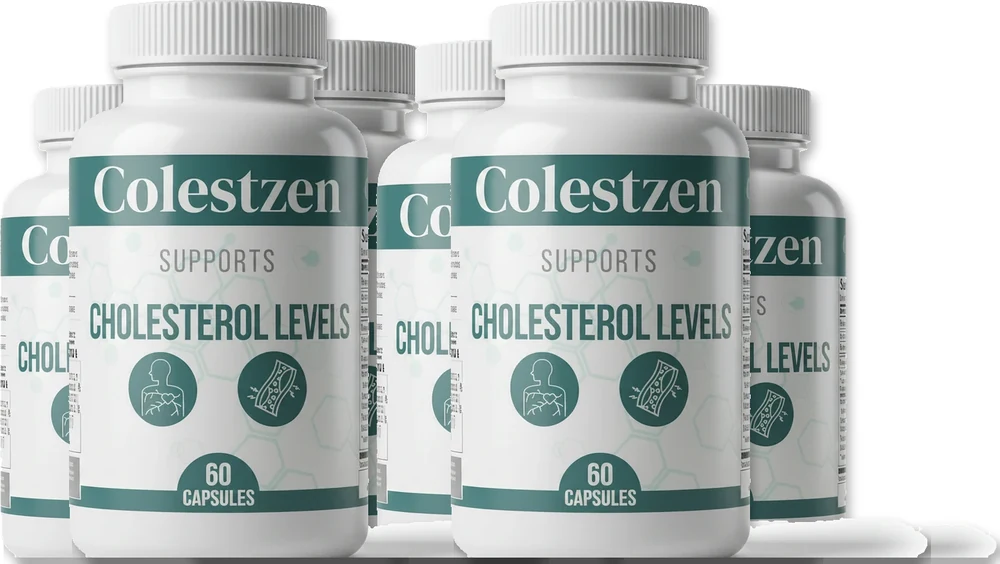
Want to see the amounts, not just the ingredient names?
The only way to judge a botanical blend is against the doses the trials used. It is worth reading a full, disclosed label before you commit to anything.
See the Official ColestZen OfferThe mulberry and metabolic side of the story
Mulberry leaf supplies 1-deoxynojirimycin (1-DNJ), an inhibitor of the carbohydrate-digesting enzymes in the small intestine, studied mainly for blunting the rise in blood glucose after a meal. Because glucose handling, body weight and blood lipids are interconnected, some trials also report lipid movement alongside the glycaemic effect — a double-blind clinical trial in people with type 2 diabetes, Taghizadeh M, et al. Clin Nutr ESPEN, 2022, examined metabolic profiles, inflammation and oxidative-stress markers together. The cholesterol data remain thinner and more indirect than for either cinnamon or sterols.
The same logic applies to the rest of the group. Gymnema sylvestre has been assessed for lipid profile alongside glycaemic control and blood pressure in a 2023 systematic review, Zamani M, et al. Phytother Res, 2023, and banaba has been reviewed principally for its corosolic acid content and glucose effects, Stohs SJ, et al. Phytother Res, 2012. Bitter melon sits in the same category. Cayenne, juniper, licorice and yarrow are largely traditional inclusions, valued historically for circulation but short on modern clinical lipid trials.
What the evidence supports, in one table
| Ingredient | What the research supports | Strength of evidence |
|---|---|---|
| Plant sterols / stanols | 6–12% LDL reduction at 0.6–3.3 g/day | Strong — 124 pooled studies |
| Cinnamon | Significant triglyceride reduction; no significant LDL effect | Moderate — two meta-analyses agree |
| Mulberry (1-DNJ) | Post-meal glucose control; smaller lipid signals | Limited — few lipid trials |
| Gymnema / banaba / bitter melon | Studied mainly for blood sugar; indirect for cholesterol | Limited and indirect |
| Cayenne | Metabolism and circulation; preliminary lipid data | Preliminary |
| Juniper / licorice / yarrow | Traditional circulatory use | Little modern trial data |
How to use a botanical blend sensibly
The practical question is not whether these ingredients “work” in the abstract but whether a given bottle will do anything for you. Four steps make that judgeable rather than a guess.
Start with the number you are actually trying to move. Pull your most recent lipid panel and identify the target: LDL, triglycerides, or both. That single decision tells you which ingredients are even relevant. If triglycerides are the problem, cinnamon and omega-3 are on-topic; if it is LDL, sterols and the ingredients covered in our review of cholesterol-lowering supplements that actually work matter far more.
Then check the amounts against the studied doses. A proprietary blend that lists nine botanicals but no per-ingredient milligrams cannot be compared to anything, which is a reason for scepticism rather than a technicality. Where amounts are disclosed, hold each against the range the trials used and accept that most blends will fall short on at least one ingredient.
Give it a fair, boring run. Lipid changes are slow. Take the product consistently for eight to twelve weeks, change only one thing at a time, and retest with the same laboratory rather than judging by how you feel. Nothing about blood cholesterol produces a sensation you can detect.
Keep the medication conversation separate. If you take a statin, a botanical blend sits alongside it, never instead of it. If you would rather not take one, that is a discussion with your prescriber, informed by our look at lowering cholesterol without statins — not a decision to make in a checkout basket.
Common mistakes with botanical cholesterol formulas
- Buying cinnamon to lower LDL. The pooled evidence does not support that specific claim. Buy it for the triglyceride signal or not at all.
- Assuming a proprietary blend contains studied doses. If the label will not tell you the amounts, treat it as unknown rather than adequate.
- Chasing higher cinnamon doses. Neither meta-analysis found more to be better, and one found the opposite at the triglyceride endpoint.
- Ignoring licorice if you have high blood pressure. Licorice root can raise blood pressure and lower potassium; it deserves a conversation with your doctor, not a shrug.
- Retesting at four weeks and concluding nothing works. Eight to twelve weeks is the minimum honest window for a lipid panel.
- Treating the supplement as the intervention. Diet, weight and activity move cholesterol far more than any capsule in this category.
Where the evidence stops
Three honest limitations are worth stating plainly. First, a finished multi-ingredient supplement is not the same thing as any single studied dose — the ingredients can have evidence while the specific product has never been trialled, and no amount of ingredient-level citation closes that gap. Second, the effect sizes in this whole category are small. A 6–12% LDL reduction from sterols is genuinely useful and also a fraction of what a statin achieves, and the cinnamon effect is smaller still. Third, and most practically, none of this replaces the basics: diet, weight, activity and, where prescribed, medication do the heavy lifting.
There are also specific cautions. Licorice can raise blood pressure and lower potassium with sustained use. Gymnema and bitter melon have glucose-lowering effects that matter if you already take diabetes medication. Anyone pregnant, nursing, or on prescription medicine should get a clinician's view before starting a blend rather than after. If you want the fuller tolerability picture for a nine-botanical formula specifically, we cover it in ColestZen side effects and safety, and the ingredient-by-ingredient breakdown sits on the main ColestZen formula page.
Medical note: this article is general information, not medical advice. Speak to a healthcare professional before starting any supplement, especially if you are pregnant, nursing, taking medication, or managing high cholesterol or blood pressure — and never stop a prescribed statin on your own.
Related reading
Frequently asked questions
Does cinnamon lower cholesterol?
Partly. The two largest meta-analyses of randomised trials agree that cinnamon significantly lowers triglycerides, and both found no statistically significant effect on LDL cholesterol. Total cholesterol fell significantly in one analysis and not in the other. So the honest answer is that cinnamon does something measurable to blood fats, but LDL — the number most people are trying to move — is not reliably one of them.
How much cinnamon was used in studies?
Trials have used anything from a few hundred milligrams of concentrated extract to six grams of ground cinnamon a day, usually for 8 to 16 weeks. Neither major meta-analysis found a clean dose-response: one found no association between dose and lipid change at all, and the other found larger triglyceride reductions in the lower-dose trials. More cinnamon is not obviously better.
Which is better for LDL, cinnamon or plant sterols?
Plant sterols, and it is not close. Pooled data from 124 studies show phytosterol intakes of roughly 0.6 to 3.3 grams a day lowering LDL cholesterol by about 6 to 12 percent, with the effect continuing to build up to around 3 grams a day. Cinnamon has no comparable LDL signal. If LDL is your target number, sterols are the better-evidenced ingredient.
What does mulberry do for cholesterol?
Mulberry leaf supplies 1-deoxynojirimycin, an inhibitor of carbohydrate-digesting enzymes studied mainly for blunting the post-meal glucose rise. A double-blind trial in people with type 2 diabetes reported effects on metabolic profiles and oxidative stress markers. The cholesterol evidence is thinner and less direct than for either cinnamon or plant sterols.
Do banaba, gymnema and bitter melon lower cholesterol?
They are studied mainly for blood sugar rather than blood fats. A 2023 systematic review of Gymnema sylvestre looked at lipid profile alongside glycaemic control, and banaba has been reviewed mainly for its corosolic acid content and glucose effects. Treat any lipid benefit from this group as indirect and secondary, not as the reason to buy a formula.
Can a botanical supplement replace a statin?
No. If a doctor has prescribed a statin or another cholesterol medication, a botanical supplement is not a replacement and you should not stop or reduce your medication. Botanicals are studied for modest support alongside diet, and the effect sizes involved are a fraction of what a statin achieves.
Scientific references
- Maierean SM, et al. The effects of cinnamon supplementation on blood lipid concentrations: a systematic review and meta-analysis. J Clin Lipidol, 2017 (PMID 28887086)
- Fateh HL, Muhammed AH. Effects of cinnamon supplementation on lipid profile: a systematic review and meta-analysis of randomized controlled trials. Clin Nutr Res, 2024 (PMID 38362130)
- Ras RT, et al. LDL-cholesterol-lowering effect of plant sterols and stanols across different dose ranges: a meta-analysis of randomised controlled studies. Br J Nutr, 2014 (PMID 24780090)
- Taghizadeh M, et al. Morus alba leaf extract affects metabolic profiles, inflammation and oxidative stress biomarkers in type 2 diabetes: a double-blind clinical trial. Clin Nutr ESPEN, 2022 (PMID 35623877)
- Zamani M, et al. The effects of Gymnema sylvestre supplementation on lipid profile, glycemic control, blood pressure and anthropometric indices in adults: a systematic review and meta-analysis. Phytother Res, 2023 (PMID 36580574)
- Stohs SJ, et al. A review of the efficacy and safety of banaba (Lagerstroemia speciosa L.) and corosolic acid. Phytother Res, 2012 (PMID 22095937)
- NIH NCCIH — Cinnamon: What You Need To Know
- NIH NCCIH — Licorice Root: what the science says
- American Heart Association — Cholesterol and cardiovascular health
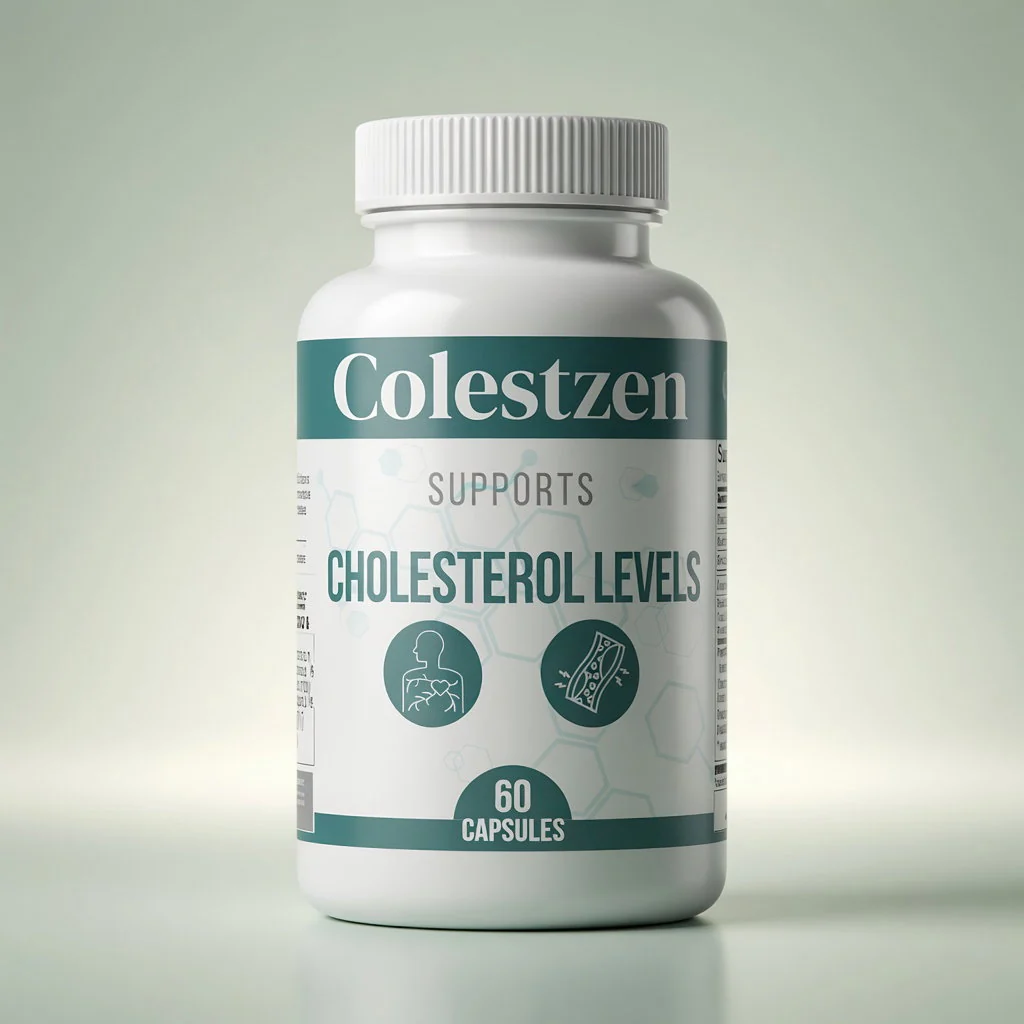
See how ColestZen puts this together
Nine botanicals including cinnamon and mulberry in one daily formula — with every ingredient and its amount laid out so you can hold it against the research yourself.
Check Availability & Offer