ColestZen Bitter Melon, Gymnema, Banaba and Mulberry
Quick Answer
ColestZen includes four botanicals often linked with blood sugar support: bitter melon, gymnema sylvestre, banaba and mulberry. Each has its own published research, which generally looks at fasting glucose or HbA1c rather than cholesterol. The ColestZen page lists the ingredient names without printed amounts, so trial doses cannot be matched to the bottle. If you take diabetes medicine, show the label to your doctor first.
- What's disclosed: ingredient names only — no milligrams, percentages or extract ratios for any of the four.
- What's studied: each botanical has its own trial base, mostly measuring fasting or post-meal glucose and HbA1c.
- The gap: published trials used specific, stated doses; ColestZen's per-capsule amount for these four is not published anywhere we found.
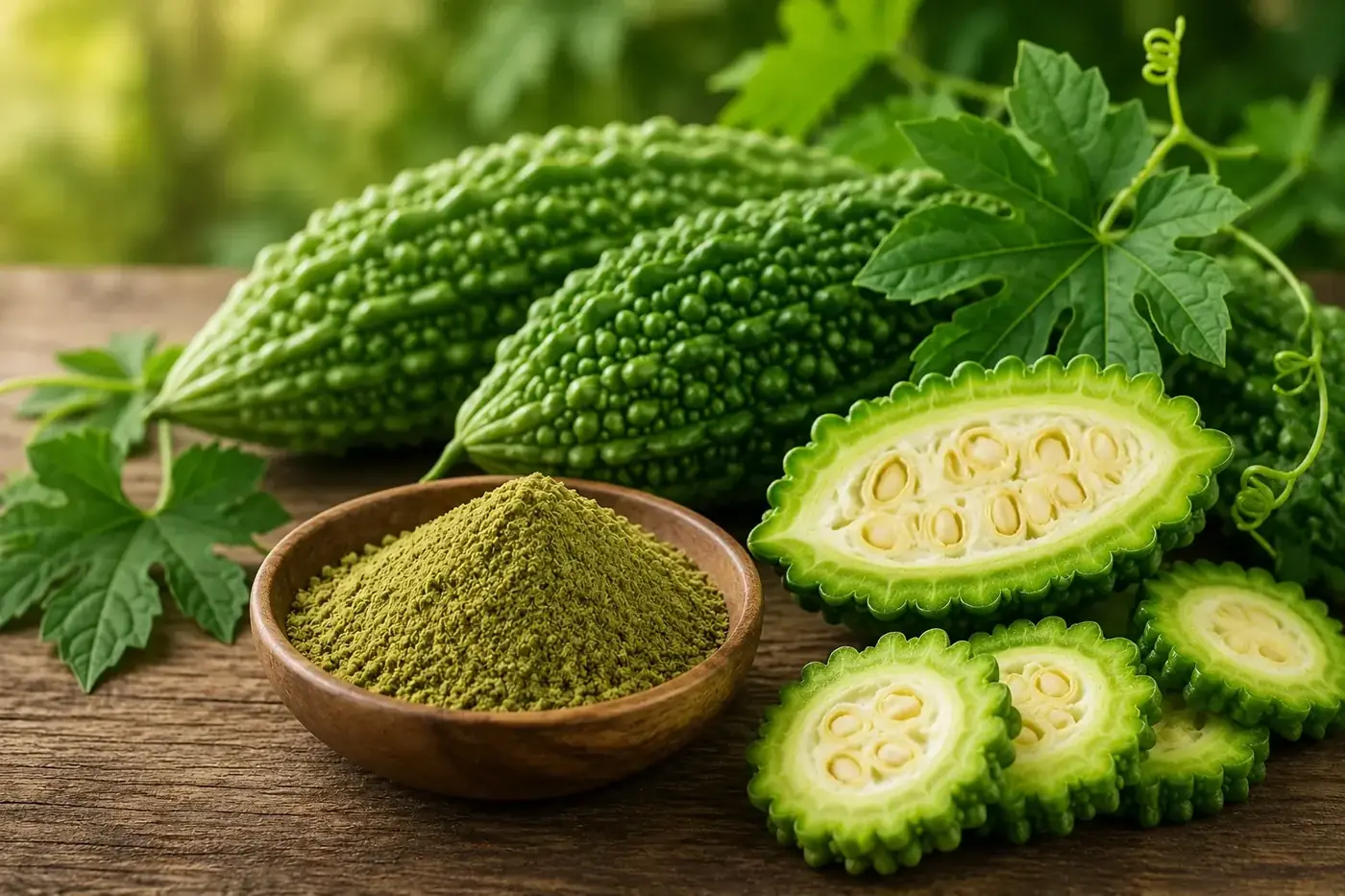
Most of what has been written about ColestZen on this site, and most of what the brand itself emphasizes in its "As Featured In" style press coverage, centers on cholesterol. But read the ColestZen sales page closely and a second claim sits right next to the first: the product is pitched as support for "healthy cholesterol levels and balanced blood sugar," and four of its nine listed botanicals — bitter melon, gymnema sylvestre, banaba and mulberry — are ingredients with a much longer research history in glucose metabolism than in lipid panels. That is a legitimate angle worth its own honest look, separate from the cholesterol-focused guides already on this site, because the evidence base, the outcomes measured and the dosing questions are genuinely different for blood sugar than they are for LDL.
This article does one specific job: it goes ingredient by ingredient through the published research on these four botanicals, states plainly what ColestZen does and does not disclose about each, and is honest about the fact that a bottle listing an ingredient by name is not the same thing as a bottle disclosing how much of it you are taking.
What ColestZen actually discloses about these four ingredients
Before getting to the research, the label question has to be settled first, because it changes what any of the following evidence can tell you. ColestZen's sales page lists "Bitter Melon Extract (fruit)," "Gymnema sylvestre Powder (leaf)," "Banaba Extract (leaf)" and "Mulberry Fruit Powder (fresh fruit)" among its nine botanicals. For every one of them, the amount is not printed. No milligram figure, no percentage of a blend, no standardization percentage for active compounds, and no extract ratio appears anywhere in the page text we reviewed.
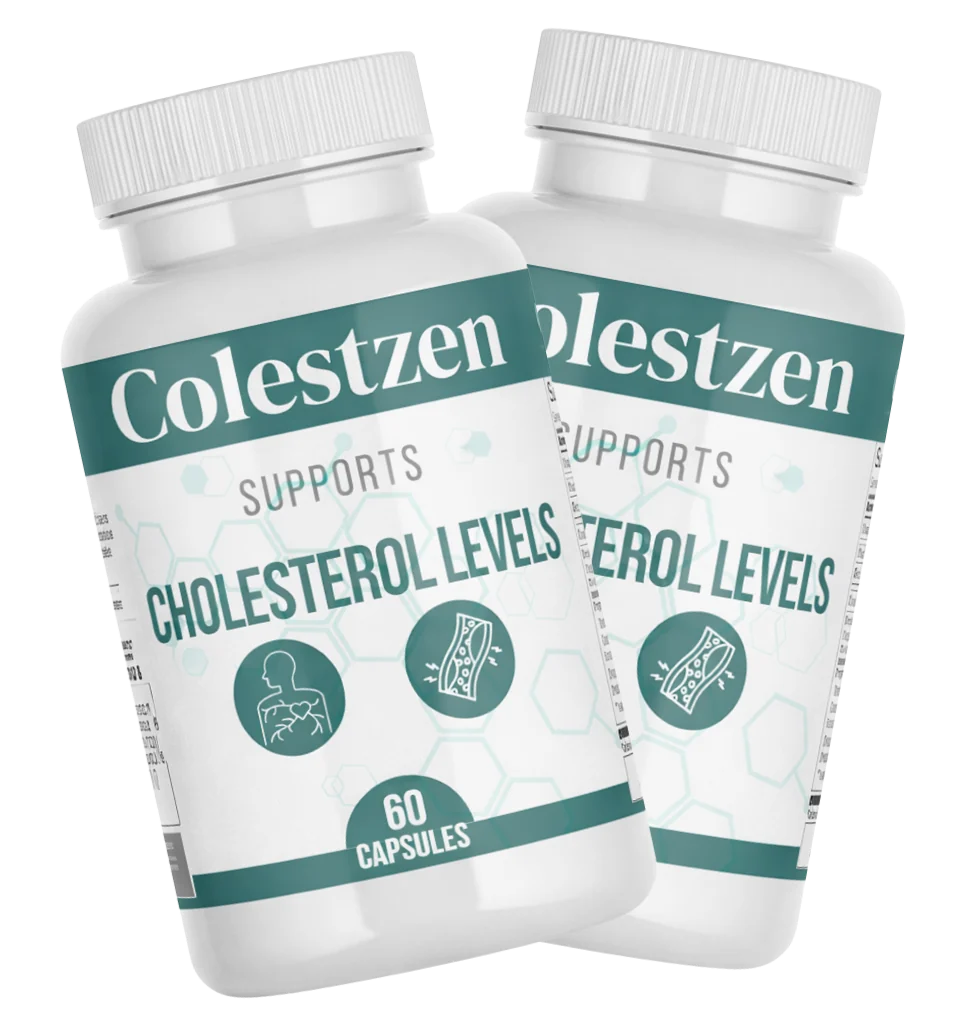
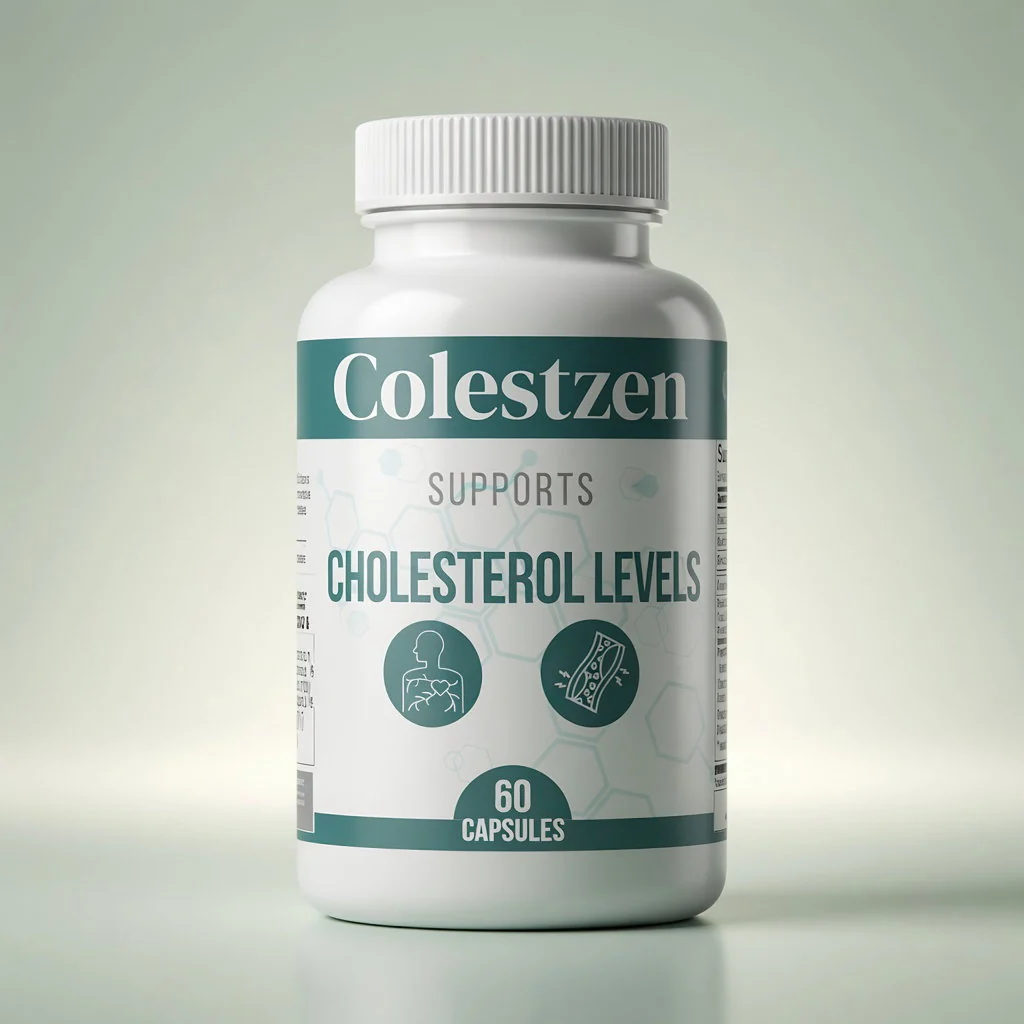
We looked for an actual Supplement Facts panel image to check this against a printed label rather than sales copy, and did not find one. The bottle mock-ups on the sales page show only the front label, with the product name and capsule count; the side panel, where a Supplement Facts box would normally sit, is not legible in any image available. The page itself describes the formula as "The proprietary blend" and "an optimally dosed, proprietary formula," language that implies a specific, considered composition without stating what that composition is. A separate reviewer source we checked states there is no proprietary-blend label on the product at all — which directly conflicts with the sales page's own description, and we were not able to resolve that conflict with any panel image. That conflict is a subject in its own right, covered in full in our companion piece on what ColestZen's ingredient list does and doesn't tell you.
For this article, the practical takeaway is simpler: whatever follows about bitter melon, gymnema, banaba and mulberry describes research on those ingredients in general, not research on the specific amounts inside a ColestZen capsule, because that amount is not public information.
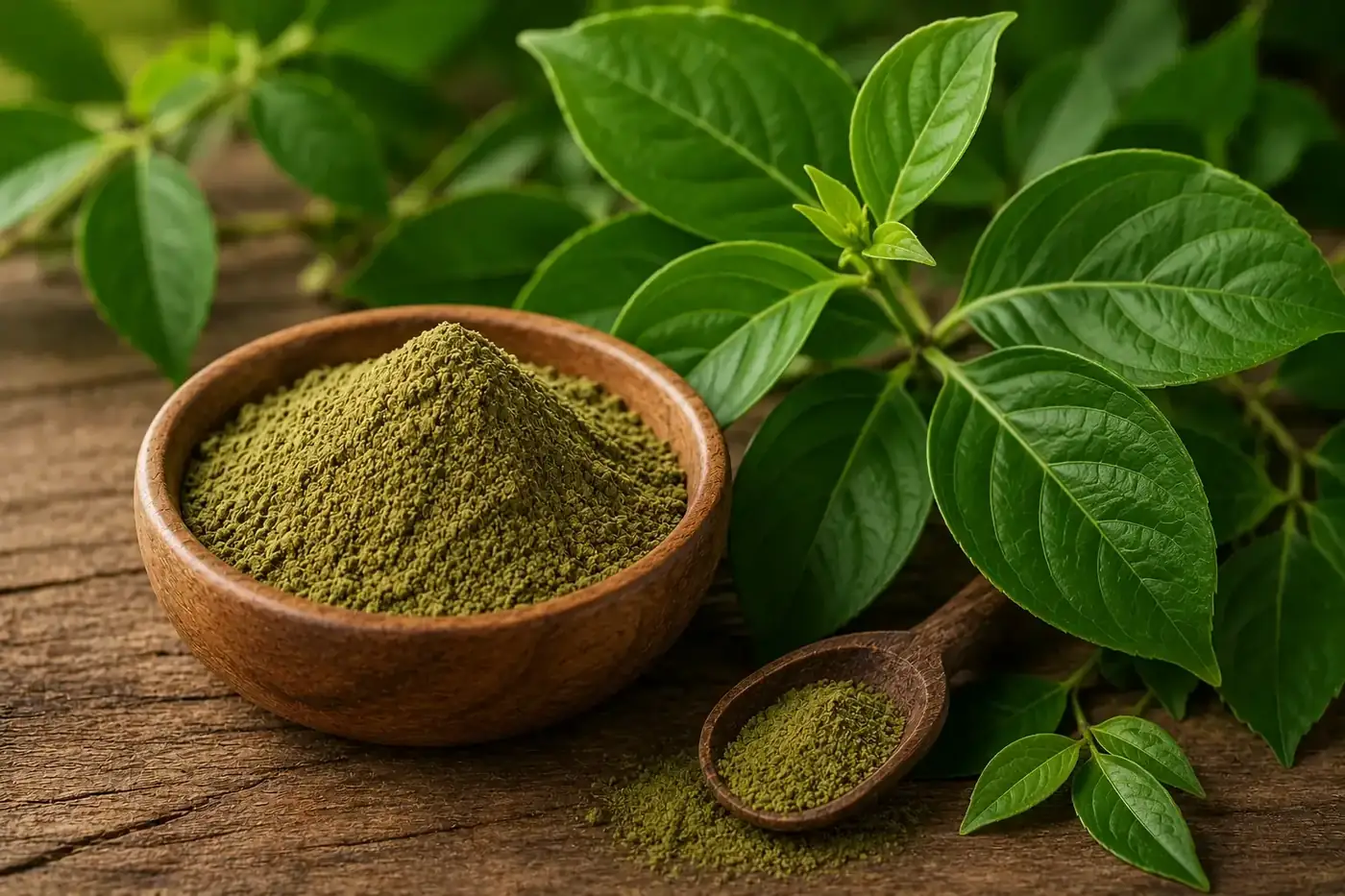
Bitter melon (Momordica charantia): the most heavily studied of the four
Bitter melon has the deepest clinical research file of the four ingredients here, largely because it has been used and studied as a folk remedy for blood sugar across multiple countries for decades. A 2019 meta-analysis in the Journal of Ethnopharmacology pooled 10 clinical studies covering more than 1,000 participants with type 2 diabetes, following them for 4 to 16 weeks (Peter EL, et al. J Ethnopharmacol, 2019). Compared with placebo, bitter melon was associated with a fasting plasma glucose reduction of about 0.72 mmol/L, a post-meal (postprandial) glucose reduction of about 1.43 mmol/L, and an HbA1c reduction of about 0.26 percentage points. Those are modest, statistically real effects — not a cure, but not nothing either.
The important detail for anyone reading a ColestZen label is that the trials folded into that meta-analysis did not all use the same preparation or the same dose. Bitter melon has been studied as dried fruit powder, as juice, and as standardized extract, and the individual trials in the pooled analysis varied in both form and amount rather than converging on one agreed-upon dose. That variability is normal for a single-plant literature this old, but it also means there is no one number to hold ColestZen's undisclosed amount up against — the honest comparison is "somewhere in a wide range of forms and doses that have shown an effect," not "the studied dose," because there isn't a single studied dose.
What the research measured is worth restating plainly: fasting glucose, post-meal glucose and HbA1c. None of the trials in this meta-analysis were measuring cholesterol. That matters because bitter melon's presence on the ColestZen label supports the blood-sugar side of the product's marketing, not the cholesterol side, and a reader who bought ColestZen purely for LDL should not expect this particular ingredient to be doing that job.
Gymnema sylvestre: glucose research that also touches lipids
Gymnema sylvestre is a traditional Ayurvedic herb, sometimes called "sugar destroyer" for its long folk association with blunting the taste of sugar and supporting glucose control. A 2023 systematic review and meta-analysis in Phytotherapy Research pooled six randomized controlled trials of gymnema supplementation lasting more than a week (Zamani M, et al. Phytother Res, 2023). It found statistically significant reductions in fasting blood sugar, and, notably, also in triglycerides, total cholesterol and LDL, along with a small reduction in diastolic blood pressure.
That makes gymnema one of the few ingredients on ColestZen's full 18-item list with research spanning both the blood-sugar claim and the cholesterol claim in the same body of evidence, which is a legitimate reason a formula aimed at both outcomes might include it. As with bitter melon, though, the review does not establish a single dose that every trial used, and ColestZen's own amount for gymnema is, again, not printed anywhere in the sources we checked. A reader cannot look at this research and then confirm their capsule matches it, because the capsule's gymnema content is undisclosed.
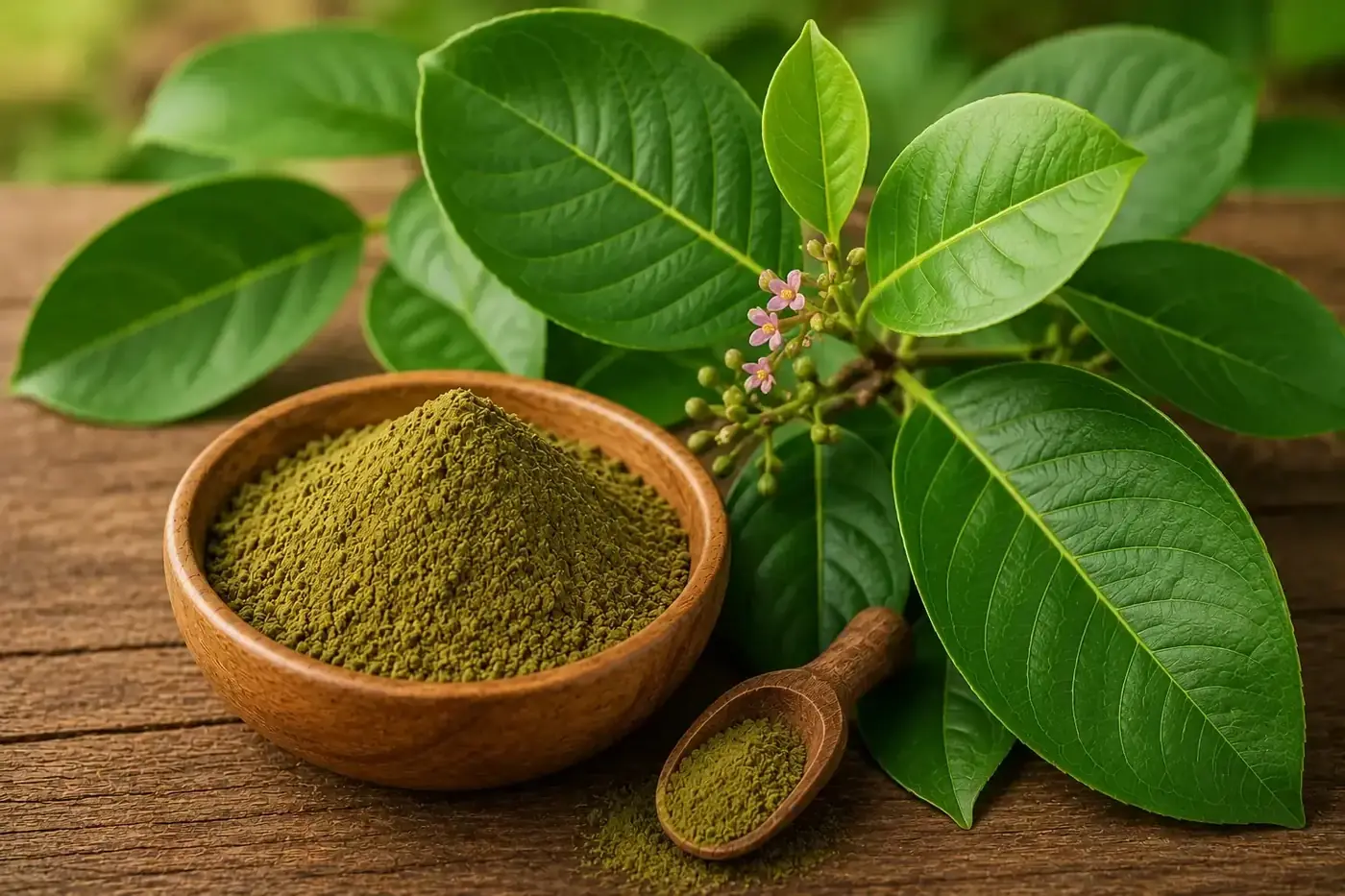
Banaba (Lagerstroemia speciosa): a narrower, compound-specific story
Banaba leaf's research is built almost entirely around one active compound: corosolic acid. A 2012 review in Phytotherapy Research summarizing the animal and human literature on banaba and corosolic acid describes findings that pure corosolic acid can lower blood sugar within about 60 minutes in human subjects, alongside broader effects on glucose and lipid metabolism reported across the reviewed studies (Stohs SJ, et al. Phytother Res, 2012).
The detail that matters most for a label reader is that banaba's effect is tied specifically to its corosolic acid content, and corosolic acid content varies enormously between banaba extracts depending on how concentrated or standardized they are. A banaba powder standardized to a meaningful percentage of corosolic acid is a different ingredient, functionally, from an unstandardized leaf powder with only trace amounts. ColestZen's page lists "Banaba Extract (leaf)" with no standardization percentage and no corosolic acid content stated, so there is no way to know from the label which kind of banaba is inside the capsule, or whether it resembles the material used in the research at all.
Mulberry (fruit and leaf): a small, specific trial with a stated dose
Mulberry is the one ingredient in this group of four where the underlying research is unusually specific, which makes the comparison to ColestZen's label especially clear. A randomized, double-blind, placebo-controlled trial in the Journal of Medicinal Food tested mulberry leaf aqueous extract in 36 adults with impaired fasting glucose over four weeks, using a stated dose of 5 grams per day (Kim JY, et al. J Med Food, 2015). At that dose, the trial found improved post-meal glucose, insulin and C-peptide responses at 30 and 60 minutes after a carbohydrate load, compared with placebo.
Five grams a day is a genuinely large amount for a single botanical ingredient inside a two-capsule daily serving that also has to fit eight other botanicals and nine micronutrients. We are not stating that ColestZen contains less than 5 grams of mulberry — we cannot state that, because the amount is not published — but the arithmetic is worth naming so readers can do their own gap-check: this is the rare case in this article where the studied dose is a specific, sizeable number, and ColestZen's own mulberry content is not disclosed at all. It is also worth noting the trial studied fruit powder for glucose specifically; ColestZen's page lists "Mulberry Fruit Powder (fresh fruit)" rather than leaf extract, so even the exact plant part differs from the trial material.
Want to see what the official page says for yourself?
Read the current pricing, guarantee and full ingredient list on the official ColestZen page before deciding.
Order ColestZenWhy "it's in the formula" is not the same as "it's dosed like the study"
It is worth stepping back and naming the general pattern across all four botanicals, because it applies to almost any blended supplement, not just this one. A company can accurately list an ingredient by its correct botanical name, and that ingredient can genuinely have credible published research behind it, and the product can still tell a shopper nothing about whether the capsule contains an amount anywhere near what that research used. All three of those things are true of ColestZen's bitter melon, gymnema, banaba and mulberry content at once: the names are recognizable and match real research literature, the research itself is real and, in bitter melon's and gymnema's case, reasonably substantial, and the amount in the actual capsule is simply not stated.
This is not unique to ColestZen among proprietary-blend supplements, and it is not automatically a sign of a bad product — withholding exact per-ingredient amounts inside a blend is common industry practice, sometimes framed as protecting a formulation from being copied. But common practice and full transparency are not the same thing, and a reader deciding whether ColestZen's blood-sugar botanicals are likely to do anything meaningful cannot answer that question from the label the way they could if a bottle stated, for example, "Bitter Melon Extract 1000mg" the way a single-ingredient bitter melon product often does. The honest position is: these are real, studied ingredients, present in a formula whose per-ingredient dosing is not published, so treat any specific blood-sugar claim about the ColestZen capsule itself — as opposed to the ingredients generally — as unverified.
What none of this tells you
A few things are worth being explicit about, because a "botanicals for blood sugar" article can easily be read as more reassuring than it should be. First, none of the research summarized here is a clinical trial of ColestZen itself; it is ingredient-level research on bitter melon, gymnema, banaba and mulberry individually, often at doses and in forms that may not match what is in this specific product. Second, ColestZen is a dietary supplement, not a diabetes medication, and it is not positioned by its own seller as a treatment for diabetes; the FAQ on the sales page recommends showing the bottle to your doctor before taking it, which is a reasonable instruction given how little is disclosed about dosing. Third, several of these botanicals can affect blood sugar in ways that matter if you are already on glucose-lowering medication or insulin — a topic we cover in detail, alongside the micronutrients in this formula, in our companion piece on who should not take ColestZen's alpha lipoic acid, chromium and zinc combination.
If you are looking at ColestZen specifically for the blood-sugar claim rather than the cholesterol claim, the fairest summary is this: the four botanicals it lists for that purpose are not arbitrary marketing filler, they are ingredients with genuine research behind them, individually. But "genuine research exists" and "this product is dosed to match that research" are two different claims, and only the first one can currently be verified from what ColestZen publishes.
Related reading
Medical note: this article is general information, not medical advice. ColestZen is a dietary supplement, not a diabetes treatment, and no amount is printed for any ingredient discussed here. Speak to a healthcare professional before starting, especially if you take glucose-lowering medication or insulin, are pregnant or nursing, or manage a chronic condition.
Frequently asked questions
Does ColestZen print how much bitter melon, gymnema, banaba or mulberry it contains?
No. No legible Supplement Facts panel has been found for ColestZen, and the sales page lists these four botanicals by name only, with no milligram amount, percentage or extract ratio for any of them. The page calls the formula a proprietary blend, though a separate reviewer source says there is no proprietary-blend label, and that conflict has not been resolved.
What has research actually tested bitter melon for?
A meta-analysis pooling 10 trials and over 1,000 participants with type 2 diabetes found bitter melon lowered fasting glucose, post-meal glucose and HbA1c versus placebo over 4 to 16 weeks. The trials used different bitter melon preparations at different doses, so there is no single agreed-upon dose, and ColestZen's own amount is not published.
Is gymnema sylvestre tested for cholesterol or blood sugar?
Both, in different studies. A 2023 meta-analysis of gymnema supplementation found reductions in fasting blood sugar as well as triglycerides, total cholesterol and LDL. The amount ColestZen includes is not disclosed.
Should I rely on ColestZen for blood sugar management?
No. ColestZen is a dietary supplement, not a diabetes medication, and there is no published clinical trial on the finished ColestZen product itself, only on individual ingredients at their own studied doses. Anyone managing blood sugar with medication or insulin should treat any new supplement as a discussion for their doctor.
Why does ColestZen include blood sugar botanicals in a cholesterol formula?
ColestZen is positioned for cholesterol, and it also lists four botanicals that are marketed for blood sugar support. The page names these ingredients but does not print an amount for them.
Scientific references
- Peter EL, et al. Momordica charantia L. lowers elevated glycaemia in type 2 diabetes mellitus patients: systematic review and meta-analysis. J Ethnopharmacol, 2019 (PMID 30385422)
- Zamani M, et al. The effects of Gymnema sylvestre supplementation on lipid profile, glycemic control, blood pressure and anthropometric indices in adults: a systematic review and meta-analysis. Phytother Res, 2023 (PMID 36580574)
- Stohs SJ, et al. A review of the efficacy and safety of banaba (Lagerstroemia speciosa L.) and corosolic acid. Phytother Res, 2012 (PMID 22095937)
- Kim JY, et al. Mulberry leaf extract improves postprandial glucose response in prediabetic subjects: a randomized, double-blind placebo-controlled trial. J Med Food, 2015 (PMID 25343729)
See the current pricing and guarantee
The official ColestZen page has the current pricing, bundle options and 60-day money-back guarantee.
Order ColestZen