Omega-3 for Heart Health: EPA and DHA Guide
Quick Answer: What Does Omega-3 Do for the Heart?
Omega-3 fatty acids for heart health mainly help by lowering triglycerides, with high doses of 3-4g of EPA and DHA cutting them 20-30%. They also modestly lower blood pressure by about 2-4 mmHg at 2-3g. Their effect on LDL cholesterol, though, is weak and mixed, so set expectations accordingly.
- Strongest for triglycerides: 20-30% reductions at 3-4g of combined EPA and DHA daily.
- Modest for blood pressure: roughly −2 to −4 mmHg at 2-3g a day.
- Weak for LDL: omega-3 is not a cholesterol-lowering shortcut — match the tool to the goal.

Fish oil is the most-bought supplement in America, and yet most people could not tell you what it actually does to a heart. This guide fixes that by zooming in on the molecules that matter. When we talk about omega-3 fatty acids for heart health, we really mean two long-chain marine fats — EPA (eicosapentaenoic acid) and DHA (docosahexaenoic acid) — and the honest, number-by-number story of what they do is more useful than any "supports heart health" label. Some of their effects are strong and well documented; one that everyone assumes is real is actually weak. Knowing the difference is what turns a hopeful purchase into a smart one.
We are an independent affiliate publisher covering cardiovascular supplements, and this is an educational deep-dive, not a sales pitch. If you have already read our broader fish oil supplements for heart health guide, think of this page as the companion that goes one level deeper into the EPA and DHA molecules themselves, the dosing math, and how to actually choose a product.
What omega-3 fatty acids for heart health actually do: meet EPA and DHA
EPA and DHA are the two omega-3s your heart cares about, and they are not interchangeable with the plant omega-3 (ALA) you get from flax or chia. ALA has to be converted to EPA and DHA in the body, and that conversion is famously inefficient — often in the low single-digit percentages. That is why marine sources, or algal oil, carry the real cardiovascular payload, and why a flaxseed capsule is not a substitute for fish or algal EPA and DHA.
Once absorbed, EPA and DHA get built into cell membranes throughout the body, including in heart and blood-vessel tissue. From there they influence several systems at once: they lower triglycerides by reducing how much the liver produces and packages, they support healthier blood-vessel tone and function, they can slightly slow resting heart rate, and they have anti-inflammatory signalling effects. This membrane-level presence is why omega-3 shows up in so many heart conversations — but "involved in many things" is not the same as "powerful at all of them," which is exactly where honest reporting matters.
The evidence, honestly: strong on triglycerides, modest on blood pressure, mixed on LDL
Here is the part most labels gloss over. The evidence for omega-3 is genuinely strong in one place, modest in another, and weak in a third, and a good buyer keeps those straight.
Triglycerides — strong. This is omega-3's home turf. At therapeutic doses of roughly 2-4 grams of combined EPA and DHA per day, triglycerides typically fall by around 20-30%, and the higher your starting level, the bigger the drop. Few non-prescription options match that for triglycerides, which is why prescription-strength omega-3 exists specifically for very high levels.
Blood pressure — modest but real. At about 2-3 grams a day, EPA and DHA produce a small but measurable reduction in blood pressure, on the order of 2-4 mmHg. That is not dramatic for one person, but at a population level even a few points matters, and it stacks with other lifestyle levers. If blood pressure is your focus, our overview of supplements to lower blood pressure puts omega-3 in context with the other options.
LDL cholesterol — weak and mixed. This is the myth to dismantle. People buy fish oil expecting their LDL to drop, and it largely does not. Omega-3's effect on total and LDL cholesterol is inconsistent; at high doses LDL can even edge up slightly in some individuals, while HDL rises modestly. If lowering LDL is your actual goal, omega-3 is simply the wrong primary tool — a cholesterol-focused approach fits better, and our roundup of cholesterol-lowering supplements that actually have evidence is the right starting point instead.
Omega-3 for the heart, by the numbers
| Target | Typical EPA+DHA dose | Expected effect | Strength of evidence |
|---|---|---|---|
| Triglycerides | 2-4 g/day | 20-30% reduction | Strong |
| Blood pressure | 2-3 g/day | −2 to −4 mmHg | Modest |
| LDL cholesterol | Any | Little to none; can edge up | Weak / mixed |
| General maintenance | 250-500 mg/day | Baseline heart support | Supported by guidance |
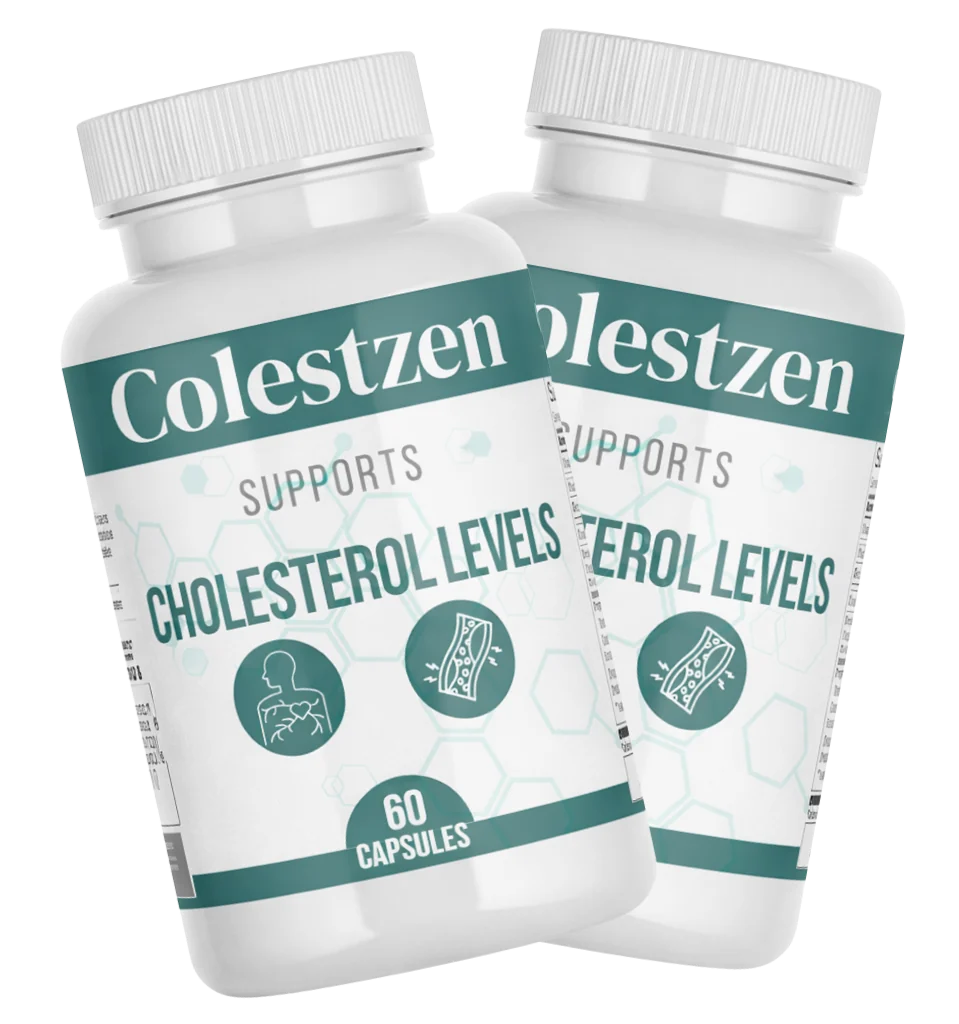
Pairing omega-3 with a cholesterol-focused formula?
Omega-3 owns triglycerides, but it does little for LDL. If cholesterol is the other half of your goal, ColestZen's nine-botanical blend is built for that side — see the label and the 60-day guarantee.
See ColestZen for Cholesterol SupportHow much EPA and DHA should you take? The dosing math
This is where most people get quietly short-changed, because the number on the front of the bottle is almost never the number that matters. A "1000 mg fish oil" softgel might contain only 300 mg of actual EPA and DHA — the rest is other fats. The dose that counts is the combined EPA and DHA figure on the supplement facts panel, so learn to read that line and ignore the headline.
With that in mind, the tiers are straightforward. For general heart maintenance, guidance points to roughly 250-500 mg of combined EPA and DHA per day, which two servings of oily fish a week broadly supplies. For lowering high triglycerides, you need far more — in the 2-4 gram range — and at that level you should be under a clinician's supervision, both because it is a therapeutic dose and because very high intakes can have their own considerations. Do the arithmetic: if you need 2 grams of EPA and DHA and your softgel provides 300 mg each, that is closer to seven capsules a day, not one, which is exactly why concentrated formulas exist.
Fish oil vs krill vs algal — and the freshness problem nobody mentions
Once you know your target dose, the format is the next decision, and all three deliver EPA and DHA.
- Fish oil is the most studied and usually the cheapest per gram of EPA and DHA. Concentrated "triglyceride-form" or ethyl-ester products let you hit higher doses in fewer capsules.
- Krill oil delivers omega-3 partly in phospholipid form, which some people absorb well and which tends to cause fewer fishy burps, but it is pricier per gram of EPA and DHA and usually lower dose.
- Algal oil is made from the microalgae that fish eat to get their omega-3 in the first place, so it is fully plant-based — the strongest option for vegetarians, vegans, and anyone who dislikes fish altogether. DHA-rich algal products are widely available and EPA-containing ones increasingly so.
Now the part the marketing skips: oxidation. Omega-3 fats are fragile and go rancid with heat, light and time, and an oxidized fish oil is not just useless — it may be counterproductive. That fishy-burp, off smell is the tell. Buy from brands that publish third-party testing for freshness (a low peroxide and TOTOX value) and for purity from heavy metals, store the bottle cool and dark, and do not stockpile years of supply. A cheap, oxidized fish oil is a false economy no matter how good the EPA and DHA number looks on paper.
Why omega-3 complements — but does not replace — a cholesterol botanical
Here is how to fit omega-3 into a real plan. Because its strengths are triglycerides and blood pressure and its LDL effect is weak, omega-3 is a complement to a cholesterol strategy, not a substitute for one. Many people have both a triglyceride and an LDL concern, and those genuinely call for different tools working side by side.
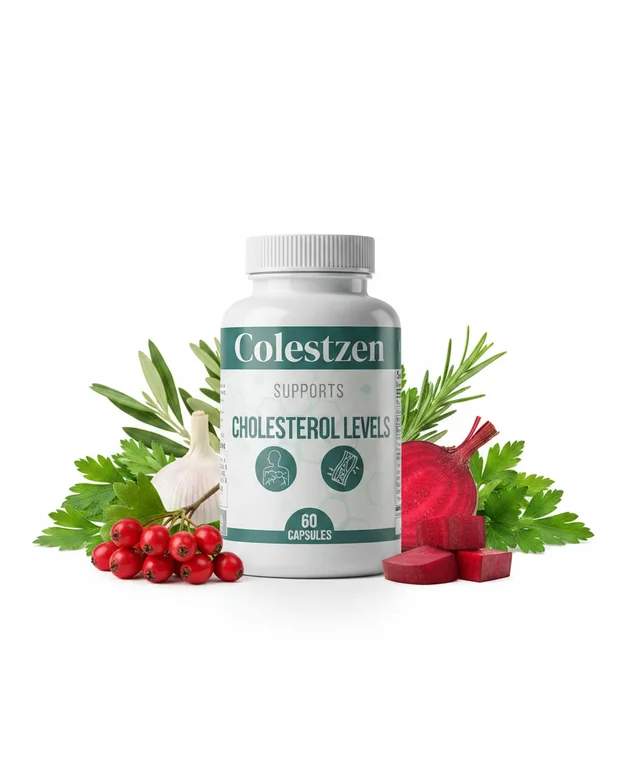
That is the logical place a formula like ColestZen sits. ColestZen is built around nine botanicals — cinnamon, mulberry, banaba, gymnema and others — aimed at cholesterol, blood-sugar and circulatory balance, which is the side of the ledger omega-3 is weakest on. Used together, EPA and DHA can work on triglycerides and blood pressure while a cholesterol-focused botanical addresses the LDL and metabolic side. Neither is a drug, neither replaces a statin or prescribed therapy, and both work best on top of the big levers — diet, movement, weight and sleep. If that combination interests you, our best heart health supplements guide maps out how the categories fit together.
Omega-3 is a triglyceride and blood-pressure tool that happens to be marketed as a cholesterol one. Match EPA and DHA to what they actually do, and pair them with a cholesterol-focused formula for the LDL side they don't cover.
Medical note: this article is general information, not medical advice. High-dose omega-3 (2 grams or more of EPA and DHA daily) should be supervised by a clinician, especially if you take a blood thinner or have a heart condition. Speak to a healthcare professional before starting any supplement, and never stop a prescribed medicine on your own.
Related reading
Frequently asked questions
What do omega-3 fatty acids do for the heart?
The two marine omega-3s, EPA and DHA, support the heart mainly by lowering triglycerides, a blood fat linked to cardiovascular risk, with high doses cutting them by 20 to 30 percent. They also modestly lower blood pressure, by roughly 2 to 4 mmHg at 2 to 3 grams a day, and can reduce resting heart rate and support healthier blood-vessel function. Their effect on LDL cholesterol, though, is weak and mixed, so omega-3 is best thought of as a triglyceride and blood-pressure tool rather than an LDL lowerer.
How much EPA and DHA should I take daily?
For general heart health, most guidance points to about 250 to 500 mg of combined EPA and DHA per day, which two servings of oily fish a week roughly supplies. To lower high triglycerides you need far more, in the region of 2 to 4 grams of EPA and DHA daily, and that higher intake should be supervised by a clinician. The key is to read the label for the actual EPA and DHA numbers, not the total fish-oil weight, because those are usually much lower than the headline figure.
Does omega-3 lower cholesterol or triglycerides?
Mostly triglycerides. Omega-3 is one of the more reliable non-prescription ways to bring down high triglycerides, with 2 to 4 grams a day lowering them by around 20 to 30 percent. Its effect on total and LDL cholesterol is weak and inconsistent, and at high doses LDL can even edge up slightly in some people while HDL rises modestly. If lowering LDL is your goal, omega-3 is the wrong primary tool and a cholesterol-focused approach fits better.
Is fish oil or algal omega-3 better?
Both deliver EPA and DHA and both work; the right choice depends on your needs. Fish oil is the most studied and usually the cheapest per gram of EPA and DHA. Algal oil is made from the microalgae fish get their omega-3 from in the first place, so it is fully plant-based and a strong choice for vegetarians, vegans and anyone who dislikes fish burps. Krill oil delivers omega-3 in phospholipid form that some absorb well, but it is pricier per gram. Whichever you pick, choose a product tested for freshness and low oxidation.
Sources and further reading
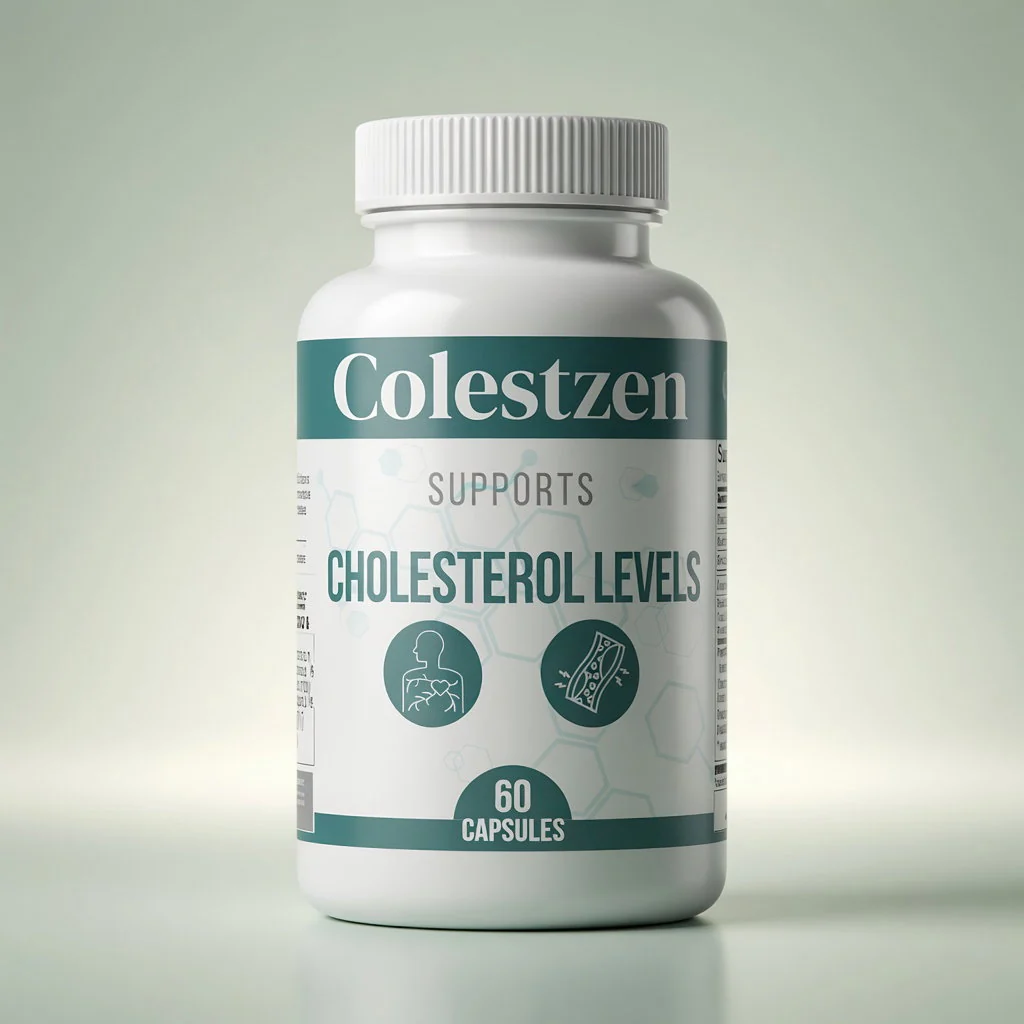
Cover the LDL side omega-3 misses
Omega-3 handles triglycerides and blood pressure; ColestZen's nine botanicals target the cholesterol and metabolic side. See the full label, bundle savings and the 60-day money-back guarantee on the official checkout.
Go to the Official ColestZen Store